


AI gardenerAdvises from our plant pages
You are asking about: Vegetables
Hello! I can help with where to plant it, when to prune it and what to pair it with. I advise from our plant pages.
Checking whether the gardener is switched on…Credit prices
Vegetables
Vegetables from sowing to harvest.
A vegetable catalogue with sowing and spacing, tested companions and, further down, a planting plan that lays out your vegetables 3 to 5 years ahead.
Vegetables
All vegetables.
Every species has its own page: sowing, spacing, plants per square metre and harvest time.
LegumesLeafy greens and brassicasFruiting vegetablesRoots and alliumsPotatoesPerennials
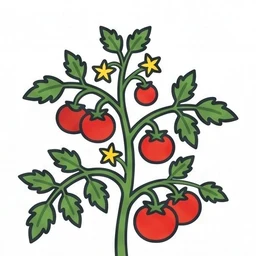 Tomatosow indoors · February–Marchspacing 60 cm · 2.5 per m²
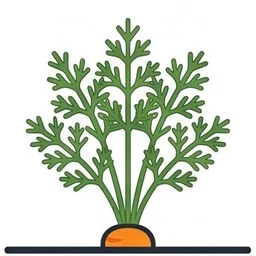 Carrotdirect sowing · March–Julyspacing 9 cm · 120 per m²
 Cucumberdirect sowing · May–Junespacing 40 cm · 6 per m²
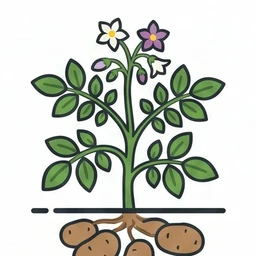 Potatotuber / set · March–Mayspacing 35 cm · 8 per m²
 Lettucedirect sowing · March–Augustspacing 30 cm · 12 per m²
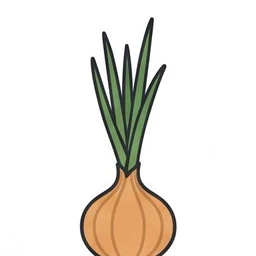 Onionbulb · March–April, October–Novemberspacing 10 cm · 100 per m²
 Zucchini, pumpkinsow indoors · April–Mayspacing 100 cm · 0.8 per m²
 Common beandirect sowing · May–Junespacing 15 cm · 44 per m²
 Peppersow indoors · February–Aprilspacing 40 cm · 6 per m²
 Peadirect sowing · March–Junespacing 10 cm · 100 per m²
 Radishdirect sowing · April–Augustspacing 10 cm · 100 per m²
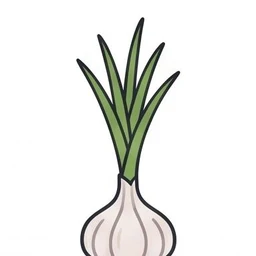 Garlicbulb · October–Decemberspacing 15 cm · 44 per m²
 Cabbagesow indoors · February–Aprilspacing 40 cm · 6 per m²
 Beetrootdirect sowing · March–Julyspacing 10 cm · 100 per m²
 Kohlrabidirect sowing · March–Julyspacing 15 cm · 44 per m²
 Winter squashdirect sowing · May–Junespacing 90 cm · 1 per m²
 Leeksow indoors · Februaryspacing 20 cm · 25 per m²
 Eggplanttransplant outdoors · May–Junespacing 60 cm · 3 per m²
 Kalesow indoors · Marchspacing 45 cm · 5 per m²
 Runner beandirect sowing · May–Junespacing 20 cm · 25 per m²
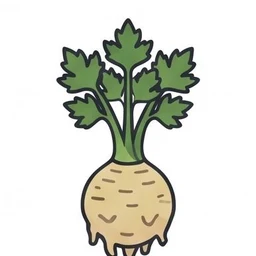 Celeriacsow indoors · Marchspacing 30 cm · 11 per m²
 Broad beandirect sowing · March–Mayspacing 20 cm · 25 per m²
 Spinachdirect sowing · March–May, August–Septemberspacing 15 cm · 44 per m²
 Charddirect sowing · April–Julyspacing 30 cm · 11 per m²
 Sweet corntransplant outdoors · May–Junespacing 40 cm · 6 per m²
 Broccolisow indoors · February–Junespacing 60 cm · 3 per m²
 Garden rocketdirect sowing · April–Septemberspacing 15 cm · 44 per m²
 Melonsow indoors · April–Mayspacing 100 cm · 1 per m²
 Asparagusbare-root · March–Aprilspacing 45 cm · 5 per m²
 Belgian endive (witloof)direct sowing · May–Junespacing 15 cm · 44 per m²
 Broccoli rabe (rapini)direct sowing · April–Augustspacing 15 cm · 44 per m²
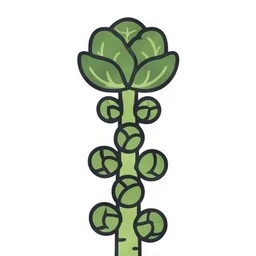 Brussels sproutssow indoors · February–Aprilspacing 60 cm · 3 per m²
 Cauliflowersow indoors · March–Aprilspacing 50 cm · 4 per m²
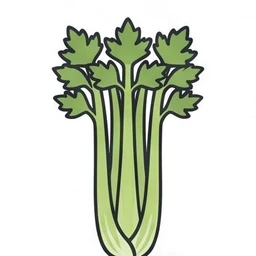 Celerysow indoors · March–Aprilspacing 25 cm · 16 per m²
 Corn saladdirect sowing · March–April, Septemberspacing 10 cm · 100 per m²
 Endivedirect sowing · May–Augustspacing 30 cm · 11 per m²
 Florence fenneldirect sowing · June–Julyspacing 30 cm · 11 per m²
 Globe artichokesow indoors · February–Aprilspacing 100 cm · 1 per m²
 Hamburg parsleydirect sowing · March–Aprilspacing 20 cm · 25 per m²
 Horseradishroot-balled · March–Augustspacing 60 cm · 3 per m²
 Napa cabbagedirect sowing · March–Augustspacing 30 cm · 11 per m²
 Parsnipdirect sowing · March–Mayspacing 20 cm · 25 per m²
 Radicchiosow indoors · April–Mayspacing 30 cm · 11 per m²
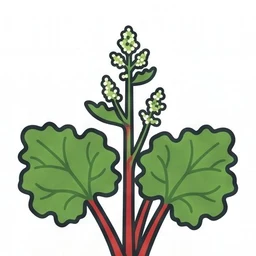 Rhubarbbare-root · November–Marchspacing 90 cm · 1 per m²
 Rutabagadirect sowing · May–Junespacing 25 cm · 16 per m²
 Turnipdirect sowing · March–Augustspacing 20 cm · 25 per m²
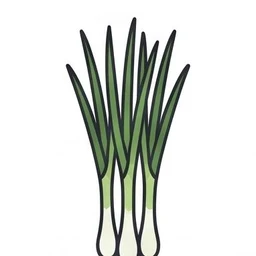 Welsh oniondirect sowing · March–Augustspacing 20 cm · 25 per m²
Companions
Good and bad neighbours.
Good and bad neighbours in the bed for each vegetable.


Good together


Good together
Better apart

Better apart

Better apart
Better apart
Show more species (27)
Better apart
Better apart
Better apart
Good together
Better apart
Good together
Better apart

Better apart

Good together
Better apart


Better apart
Good together

Good together


Good together
Better apart
Good together
Better apart
Better apart
Better apart
Better apart
Better apart
Better apart
Good together
Better apart
Better apart
Better apart
Better apart
Good together
Better apart
Good together

Good together
Good together
Ready-made bed combinations
Vegetable basics
Lettuce, chard, pepper and kohlrabi — a simple vegetable bed for the whole summer.
Tomatoes with companions
Tomatoes with basil, marigold and lettuce — neighbours that help each other.


Leafy greens
Lettuce, chard, spinach and endive — green leaves for quick harvests, even in part shade.

Why rotate
The same family never two years running.
Plants of one family share diseases and pests and take the same things from the soil. That is why they come back to the same spot only after a few years.
1
Groups by feeding needs
Heavy feeders go to the manured spot, followed by medium feeders, then light feeders and finally legumes, which add nitrogen to the soil.
2
A family stays together
Crops of one family move together, so they return to the same spot only after a full cycle.
3
Potatoes and tomatoes
Potatoes are a separate group in the planting plan, but they belong to one family with tomatoes and peppers (nightshades). Never one right after the other in one bed.
⛓ nightshades