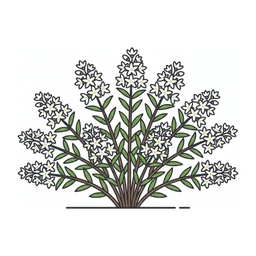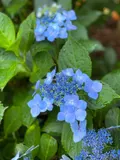
Shrub · Hydrangeaceae family

Saw-toothed hydrangea

Hydrangea serrata

Full sun to part shade in a garden 0.6–1.2 m × 0.6–1.2 m Flowers June–August to −23 °C
Flower colours Click a colour

In short a 10-second read

LightFull sun to part shade
in a garden after 10 years0.6–1.2 m
in the wild up to 1.5 m
spacing 1 m
FlowersJune–August
PlantingApril–May
Care levelModerate care

Where to plant and how much to water

Light, soil and water.

It grows best in full sun to part shade, in average to moist soil.

Sun

Sun6 hours or more
Part shade3–6 hours
Shadeunder 3 h

Soil

tolerates any pH
acidicneutralalkaline
average to moistnot fussy about soil

Watering

keep the soil evenly moistless when it rains

Frost

−23 °C

How much space it takes

Mature size.

The mature plant next to a person (175 cm).

50 cm1 m1.5 m0.6–1.5 mspread 0.6–1.5 m
0.6–1.5 m× spread 0.6–1.5 m

Plant 1 m apart.

The final size depends on the cultivar and the spot — we give the range from smallest to largest.

Calendar

Through the year.

Months for Central Europe. The line shows the current month.

The year at a glance

Flowers: JanuaryFlowers: FebruaryFlowers: MarchFlowers: AprilFlowers: MayFlowers: JuneFlowers: JulyFlowers: AugustFlowers: SeptemberFlowers: OctoberFlowers: NovemberFlowers: DecemberPlanting: JanuaryPlanting: FebruaryPlanting: MarchPlanting: AprilPlanting: MayPlanting: JunePlanting: JulyPlanting: AugustPlanting: SeptemberPlanting: OctoberPlanting: NovemberPlanting: DecemberFeeding: JanuaryFeeding: FebruaryFeeding: MarchFeeding: AprilFeeding: MayFeeding: JuneFeeding: JulyFeeding: AugustFeeding: SeptemberFeeding: OctoberFeeding: NovemberFeeding: DecemberJanFebMarAprMayJunJulAugSepOctNovDec
FlowersPlantingFeeding
Now, in October: nothing to do — the next job is in April.
JanFebMarAprMayJunJulAugSepOctNovDec

Flowers

JanFebMarAprMayJunJulAugSepOctNovDec

June–August · pink, blue or white

Planting

JanFebMarAprMayJunJulAugSepOctNovDec

container plant: April–May

Feeding

JanFebMarAprMayJunJulAugSepOctNovDec

February

Feeding

Nutrition.

Light
balanced fertiliser
JanFebMarAprMayJunJulAugSepOctNovDec

Pests and diseases

Common problems and what to do.

The most common problems in Central Europe. Protection is listed from the gentlest option.

High riskMedium riskLow riskRisk for this plant according to the source · no label = no documented level

What you will see

White powdery coating on leaves and shoots.

The source says: it is among the ornamental plants susceptible to powdery mildew.

How to protect

  1. Prevention
    • open pruning, do not plant too densely
    • rake up and remove fallen leaves
  2. By hand when presentremove affected parts
  3. Gentle spray at the first symptomspotassium bicarbonate or horticultural oil (only for heavy infestation)
  4. Chemical — only when nothing else helps as per the labelOnly if the damage is severe: a product authorised in your country against: powdery mildew.
Powdery mildewsdiseaseMedium risk

What you will see

White powdery coating on leaves and shoots.

The source says: it is among the ornamental plants susceptible to powdery mildew.

How to protect

  1. Prevention
    • open pruning, do not plant too densely
    • rake up and remove fallen leaves
  2. By hand when presentremove affected parts
  3. Gentle spray at the first symptomspotassium bicarbonate or horticultural oil (only for heavy infestation)
  4. Chemical — only when nothing else helps as per the labelOnly if the damage is severe: a product authorised in your country against: powdery mildew.
More about this problem

Grey mould

Botrytis cinerea
Medium riskdisease
More about this problem

What you will see

Soft, rotting parts covered in a fuzzy grey coating.

The source says: it is among the trees and shrubs susceptible to grey mould.

How to protect

  1. Prevention
    • Keep things clean: remove dead and diseased parts.
  2. By hand as soon as it appearsCarefully remove affected parts into a bag (spores spread easily) and dispose of them.
Grey moulddiseaseMedium risk

What you will see

Soft, rotting parts covered in a fuzzy grey coating.

The source says: it is among the trees and shrubs susceptible to grey mould.

How to protect

  1. Prevention
    • Keep things clean: remove dead and diseased parts.
  2. By hand as soon as it appearsCarefully remove affected parts into a bag (spores spread easily) and dispose of them.
More about this problem

What you will see

Brown to black spots on leaves; leaves turn yellow early.

The source says: on hydrangeas it is seldom severe enough to need spraying.

How to protect

  1. Prevention
    • Remove old leaves before they infect the new season.
    • Do not wet the leaves when watering; keep the plant unstressed.
  2. By hand after the first spots; in autumnRemove affected leaves at once and destroy them; collect fallen leaves in autumn.
Leaf spotsdiseaseLow risk

What you will see

Brown to black spots on leaves; leaves turn yellow early.

The source says: on hydrangeas it is seldom severe enough to need spraying.

How to protect

  1. Prevention
    • Remove old leaves before they infect the new season.
    • Do not wet the leaves when watering; keep the plant unstressed.
  2. By hand after the first spots; in autumnRemove affected leaves at once and destroy them; collect fallen leaves in autumn.
More about this problem

What you will see

Colonies of tiny insects on young shoots and under leaves, stunted and distorted growth, sticky honeydew and black sooty mould on it.

How to protect

  1. Prevention
    • Tolerate a small number: aphids are food for beneficial insects.
    • Check plants often so you can act in time.
    • Encourage ladybirds, hoverflies, lacewings and parasitic wasps.
  2. By hand as soon as you spot themSquash colonies with your fingers or remove affected shoot tips.
  3. Biological before a heavy infestationIn a greenhouse you can buy in hoverfly larvae, lacewings and parasitic wasps.
  4. Chemical — only when nothing else helps according to the product labelLast resort only: a product authorised in your country against aphids. Try non-chemical methods first.
Aphidspest

What you will see

Colonies of tiny insects on young shoots and under leaves, stunted and distorted growth, sticky honeydew and black sooty mould on it.

How to protect

  1. Prevention
    • Tolerate a small number: aphids are food for beneficial insects.
    • Check plants often so you can act in time.
    • Encourage ladybirds, hoverflies, lacewings and parasitic wasps.
  2. By hand as soon as you spot themSquash colonies with your fingers or remove affected shoot tips.
  3. Biological before a heavy infestationIn a greenhouse you can buy in hoverfly larvae, lacewings and parasitic wasps.
  4. Chemical — only when nothing else helps according to the product labelLast resort only: a product authorised in your country against aphids. Try non-chemical methods first.
More about this problem

What you will see

Ragged, distorted leaves with many small holes, dropped buds.

How to protect

  1. Prevention
    • Tolerate the damage, plants usually recover; encourage birds and ground beetles.
  2. BiologicalEncourage natural enemies.
Capsid bugspest

What you will see

Ragged, distorted leaves with many small holes, dropped buds.

How to protect

  1. Prevention
    • Tolerate the damage, plants usually recover; encourage birds and ground beetles.
  2. BiologicalEncourage natural enemies.
More about this problem

What you will see

Leaves are speckled and bronzing, with fine webbing on the underside.

How to protect

  1. Prevention
    • Reduce dust and water stress; do not use broad-spectrum insecticides, which cause mite outbreaks.
  2. By handA strong jet of water on the underside of leaves.
  3. Gentle sprayInsecticidal soap or oil, thoroughly on the undersides; only after mites are confirmed.
Spider mitespest

What you will see

Leaves are speckled and bronzing, with fine webbing on the underside.

How to protect

  1. Prevention
    • Reduce dust and water stress; do not use broad-spectrum insecticides, which cause mite outbreaks.
  2. By handA strong jet of water on the underside of leaves.
  3. Gentle sprayInsecticidal soap or oil, thoroughly on the undersides; only after mites are confirmed.
More about this problem
Vine weevil

Vine weevil

Otiorhynchus sulcatus
pest
More about this problem

What you will see

Adults notch the leaf edges; white larvae eat the roots, mainly in containers, and the plant wilts.

How to protect

  1. Prevention
    • Check container plants often; look for notches on leaves.
  2. By handCollect adults in the evening by torchlight; when repotting, remove larvae from the roots.
Vine weevilpest

What you will see

Adults notch the leaf edges; white larvae eat the roots, mainly in containers, and the plant wilts.

How to protect

  1. Prevention
    • Check container plants often; look for notches on leaves.
  2. By handCollect adults in the evening by torchlight; when repotting, remove larvae from the roots.
More about this problem

What you will see

Waxy scales on stems and leaves, sooty mould on honeydew.

How to protect

  1. Prevention
    • Healthy plants tolerate low numbers of scale insects.
  2. By handRemove adult scale insects and egg masses when visible.
  3. BiologicalSteinernema feltiae nematode against soft scales (use with care, it may also affect other animals); encourage ladybirds and parasitic wasps.
Scale insectspest

What you will see

Waxy scales on stems and leaves, sooty mould on honeydew.

How to protect

  1. Prevention
    • Healthy plants tolerate low numbers of scale insects.
  2. By handRemove adult scale insects and egg masses when visible.
  3. BiologicalSteinernema feltiae nematode against soft scales (use with care, it may also affect other animals); encourage ladybirds and parasitic wasps.
More about this problem
Sources (5)

Frequently asked

Quick answers.

When does saw-toothed hydrangea flower?

In June–August; the flowers are pink, blue or white.

Does saw-toothed hydrangea tolerate shade?

It tolerates part shade (3–6 hours of sun), but not full shade.

How much space does saw-toothed hydrangea need?

At maturity 0.6–1.5 m wide and 0.6–1.5 m tall; recommended spacing 1 m.

Aphids — what can you do?

Tolerate a small number: aphids are food for beneficial insects. Squash colonies with your fingers or remove affected shoot tips.

Capsid bugs — what can you do?

Tolerate the damage, plants usually recover; encourage birds and ground beetles. Encourage natural enemies.

Sources (11) Checked 24 October 2026

Similar plants

Have a look at these too.

Design a bed with this plant in Studio