Shrub · Caprifoliaceae family

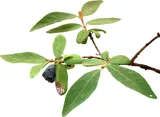
Honeyberry

Lonicera caerulea var. kamtschatica

Full sun to part shade 1–1.5 m × 1–1.5 m Flowers March–May to −40 °C
Flower colours Click a colour

In short a 10-second read

SunFull sun to part shade
Size1–1.5 m
spacing 1.3 m
FlowersMarch–May
PlantingApril–May
WinterNo winter protection

Where to plant and how much to water

Sun, soil and water.

It grows best in full sun to part shade, in average to moist soil.

Sun

Sun6 hours or more
Part shade3–6 hours
Shadeunder 3 h

Soil

tolerates any pH
acidicneutralalkaline
average to moistclayloamysandy

Watering

keep the soil evenly moistregularly until establishedless when it rains

Frost

−40 °C
no winter protectionleafless in winter

How much space it takes

Mature size.

The mature plant next to a person (175 cm).

50 cm1 m1.5 m1–1.5 mspread 1–1.5 m
1–1.5 m× spread 1–1.5 m

Plant 1.3 m apart.

Reaches maturity in about 5–10 years. The final size depends on the cultivar and the spot — we give the range from smallest to largest.

Calendar

Through the year.

Months for Central Europe. The line shows the current month.

The year at a glance

Flowers: JanuaryFlowers: FebruaryFlowers: MarchFlowers: AprilFlowers: MayFlowers: JuneFlowers: JulyFlowers: AugustFlowers: SeptemberFlowers: OctoberFlowers: NovemberFlowers: DecemberPlanting: JanuaryPlanting: FebruaryPlanting: MarchPlanting: AprilPlanting: MayPlanting: JunePlanting: JulyPlanting: AugustPlanting: SeptemberPlanting: OctoberPlanting: NovemberPlanting: DecemberFeeding: JanuaryFeeding: FebruaryFeeding: MarchFeeding: AprilFeeding: MayFeeding: JuneFeeding: JulyFeeding: AugustFeeding: SeptemberFeeding: OctoberFeeding: NovemberFeeding: DecemberJanFebMarAprMayJunJulAugSepOctNovDec
FlowersPlantingFeeding
Now, in October: nothing to do — the next job is in March. · watch for silver leaf.
JanFebMarAprMayJunJulAugSepOctNovDec

Flowers

JanFebMarAprMayJunJulAugSepOctNovDec

March–May · white

Planting

JanFebMarAprMayJunJulAugSepOctNovDec

container plant: April–May

Feeding

JanFebMarAprMayJunJulAugSepOctNovDec

March–May

Feeding

Nutrition.

Light
balanced fertilisercompost or mulch
JanFebMarAprMayJunJulAugSepOctNovDec

Pests and diseases

Common problems and what to do.

The most common problems in Central Europe. Protection is listed from the gentlest option.

High riskMedium riskLow riskRisk for this plant according to the source · no label = no documented level

What you will see

Silvery speckling of leaves and flowers.

The source says: it is most frequently found on honeysuckle.

When to look

JanFebMarAprMayJunJulAugSepOctNovDec
April–September

How to protect

  1. Prevention
    • Outdoors, plants usually survive even with silvery speckling; encourage natural enemies.
  2. BiologicalPredatory bug Orius laevigatus and mites (mainly in the greenhouse).
Thripspest · April–SeptemberMedium risk

What you will see

Silvery speckling of leaves and flowers.

The source says: it is most frequently found on honeysuckle.

When to look

JanFebMarAprMayJunJulAugSepOctNovDec
April–September

How to protect

  1. Prevention
    • Outdoors, plants usually survive even with silvery speckling; encourage natural enemies.
  2. BiologicalPredatory bug Orius laevigatus and mites (mainly in the greenhouse).
More about this problem

Honeysuckle aphids

pest

What you will see

Possible.

How to protect

  1. Prevention
    • check young shoots, buds and leaf undersides often
    • tolerate small colonies – they are part of a healthy garden
  2. By hand spring–summersquash colonies with your fingers
  3. Biological all seasonencourage natural enemies: ladybirds, hoverflies, parasitoid wasps, ground beetles, earwigs
Honeysuckle aphidspest

What you will see

Possible.

How to protect

  1. Prevention
    • check young shoots, buds and leaf undersides often
    • tolerate small colonies – they are part of a healthy garden
  2. By hand spring–summersquash colonies with your fingers
  3. Biological all seasonencourage natural enemies: ladybirds, hoverflies, parasitoid wasps, ground beetles, earwigs

Glasshouse whitefly

Trialeurodes vaporariorum
pest
More about this problem

What you will see

Tiny white winged insects, sticky honeydew and sooty mould.

How to protect

  1. Prevention
    • Check/isolate new plants; remove unneeded host plants; ventilate well.
  2. By handCheck regularly and remove affected parts.
Glasshouse whiteflypest

What you will see

Tiny white winged insects, sticky honeydew and sooty mould.

How to protect

  1. Prevention
    • Check/isolate new plants; remove unneeded host plants; ventilate well.
  2. By handCheck regularly and remove affected parts.
More about this problem

What you will see

White powdery coating on leaves, stems and flowers; leaves may become distorted.

How to protect

  1. Prevention
    • Destroy fallen infected leaves in autumn; do not over-feed, and protect from drought (stress invites powdery mildew).
  2. By hand autumnPrune out infected shoots early and destroy fallen leaves.
Powdery mildewsdisease

What you will see

White powdery coating on leaves, stems and flowers; leaves may become distorted.

How to protect

  1. Prevention
    • Destroy fallen infected leaves in autumn; do not over-feed, and protect from drought (stress invites powdery mildew).
  2. By hand autumnPrune out infected shoots early and destroy fallen leaves.
More about this problem

What you will see

Silvery leaves, dieback of branches, staining of the wood.

When to look

JanFebMarAprMayJunJulAugSepOctNovDec
September–May

How to protect

  1. Prevention
    • Prune susceptible species in summer — there are fewer spores and wounds heal better.
  2. By handRemove the affected branch 10–15 cm beyond the end of the wood staining; disinfect tools and dispose of the material immediately.
Silver leafdisease · September–May

What you will see

Silvery leaves, dieback of branches, staining of the wood.

When to look

JanFebMarAprMayJunJulAugSepOctNovDec
September–May

How to protect

  1. Prevention
    • Prune susceptible species in summer — there are fewer spores and wounds heal better.
  2. By handRemove the affected branch 10–15 cm beyond the end of the wood staining; disinfect tools and dispose of the material immediately.
More about this problem

What you will see

The plant wilts, white mycelium under the bark of the crown.

How to protect

  1. Prevention
    • Remove stumps and dead roots from the surroundings.
  2. By hand once noticedRemove the affected plant and roots.
Honey fungusdisease

What you will see

The plant wilts, white mycelium under the bark of the crown.

How to protect

  1. Prevention
    • Remove stumps and dead roots from the surroundings.
  2. By hand once noticedRemove the affected plant and roots.
More about this problem
Sources (7)

Frequently asked

Quick answers.

When does honeyberry flower?

In March–May; the flowers are white.

Does honeyberry tolerate shade?

It tolerates part shade (3–6 hours of sun), but not full shade.

How much space does honeyberry need?

At maturity 1–1.5 m wide and 1–1.5 m tall; recommended spacing 1.3 m.

Honeysuckle aphids — what can you do?

check young shoots, buds and leaf undersides often squash colonies with your fingers

Thrips — what can you do?

Outdoors, plants usually survive even with silvery speckling; encourage natural enemies. Predatory bug Orius laevigatus and mites (mainly in the greenhouse).
Sources (12) Checked 24 October 2026

Similar plants

Have a look at these too.

Design a bed with this plant in Studio