Perennial · Geraniaceae family
bloody cranesbill
Geranium sanguineum
In short a 10-second read
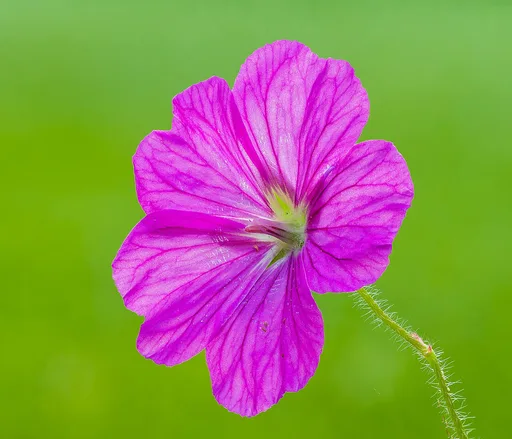
Bloody cranesbill (perennial) grows to 0.2–0.5 m tall and 0.4–0.6 m wide when mature. It grows best in full sun to part shade, in dry to average soil. It flowers in May–August; the flowers are pink, purple or white. Hardy to −32 °C.
× spread 0.4–0.6 m
Where to plant
Sun, soil, frost.
It grows best in full sun to part shade, in dry to average soil. Hardy to −32 °C.
Sun
Tolerates several positions — choose to suit the rest of the garden.
Soil and water
dry to average · watering: moderate
Soil: loamy, humus-rich, sandy
Frost
It copes with a normal winter outdoors.
How much space it takes
Mature size.
The mature plant next to a person (175 cm).
Next to a person
Reaches maturity in about 2–5 years. The final size depends on the cultivar and the spot — we give the range from smallest to largest.
Calendar
What to do and when.
Months for Central Europe. The line shows the current month.
The year at a glance
Flowers
May–August · pink, purple or white
Pruning
No pruning needed — just remove dead or damaged parts (July–August).
Planting
container plant: March–May, September–November
Winter protection
not needed
Overwintering
It copes with winter on its own.
It overwinters outdoors without protection, hardy to −32 °C.
- Needs no protection
- Hardy to −32 °C
- Dies back in winter and regrows in spring
What to combine it with
Same needs, different flowering.
They share the same sun and soil and flower in other months — so the bed flowers for longer.

netted iris
0.1–0.15 m
wild daffodil
0.3–0.46 m
spring crocus
0.08–0.15 mReady-made Studio combinations that include bloody cranesbill


Peonies, columbines, masterwort and cranesbill — a romantic bed in…


A blue and pink mix of catmint, salvia and coneflower that feeds bees…


Tough perennials that cope with drought and a forgotten watering,…
Frequently asked
Quick answers.
When does bloody cranesbill flower?
In May–August; the flowers are pink, purple or white.
Does bloody cranesbill tolerate shade?
It tolerates part shade (3–6 hours of sun), but not full shade.
How much space does bloody cranesbill need?
At maturity 0.4–0.6 m wide and 0.2–0.5 m tall; recommended spacing 35 cm.
Does bloody cranesbill survive winter outdoors?
Yes, without protection, hardy to −32 °C.
Where the data comes from
The data is indicative — we are still comparing it with further sources. Last checked 14 October 2026.
Show sources (13)
- NC State Extension Gardener Plant Toolbox
- RHS Plant Finder
- EPPO Reporting Service — update of the EU list of invasive alien species
- AOPK ČR — invazní rostliny
- EPPO Reporting Service — The German lists of invasive alien plants
- Iowa State Extension - How to Plant Perennials
- RHS - How to grow perennial plants
- perennials.com (Bressingham/Perennial Resource)
- perennials.com (Bressingham/Perennial Resource)
- perennials.com (Bressingham/Perennial Resource)
- perennials.com (Bressingham/Perennial Resource)
- perennials.com (Bressingham/Perennial Resource)
- perennials.com (Bressingham/Perennial Resource)
Similar plants