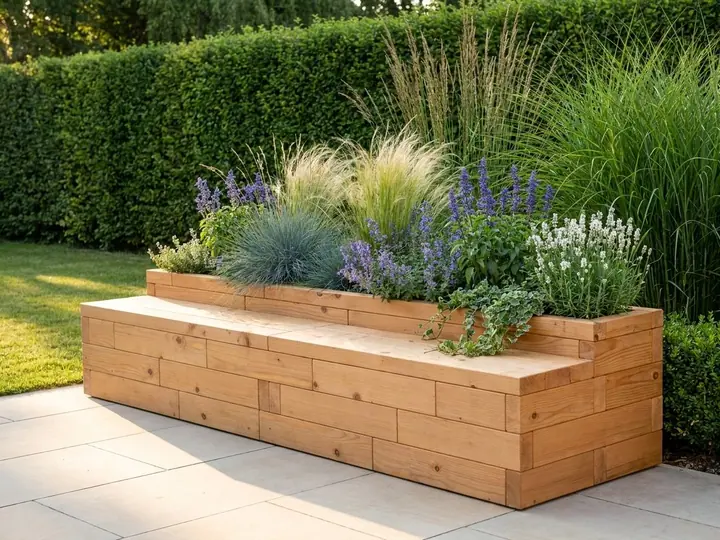
Choosing a modular raised bed involves comparing material durability, long-term costs, and assembly ease. GridGarden's Brick Premium system stands out with solid 60mm larch for 25+ years in ideal conditions, tool-free assembly, and unmatched design flexibility for custom shapes, all supported by a free 3D planner.
Raised garden beds have transformed gardening for many, offering ergonomic benefits, better soil control, and extended growing seasons. As their popularity grows, so does the variety of options available. Among these, modular raised bed systems are gaining significant traction due to their inherent flexibility and ease of setup. But with so many choices, how do you determine which system is right for your garden and your budget? This comprehensive guide will help you compare different modular raised bed options, focusing on critical factors like cost, material durability, assembly, and design flexibility.
Whether you're a seasoned gardener looking to expand or a beginner planning your first raised bed, understanding the nuances of modular systems is key to making an informed decision. We'll explore what truly defines a modular system, delve into material comparisons, break down the real costs, and highlight the convenience of tool-free assembly, ultimately guiding you towards a choice that will serve your garden for years to come. For a broader overview, you can also explore our Complete Guide to Raised Garden Beds in Europe.
What makes a raised bed system truly modular?
A truly modular raised bed system offers more than just pre-cut pieces that fit together; it provides the flexibility to reconfigure, expand, and adapt your garden layout over time. This means the individual components, typically planks or panels, can be combined in various ways to create different shapes and sizes beyond a simple rectangle, and can be easily disassembled and reassembled if your needs change.
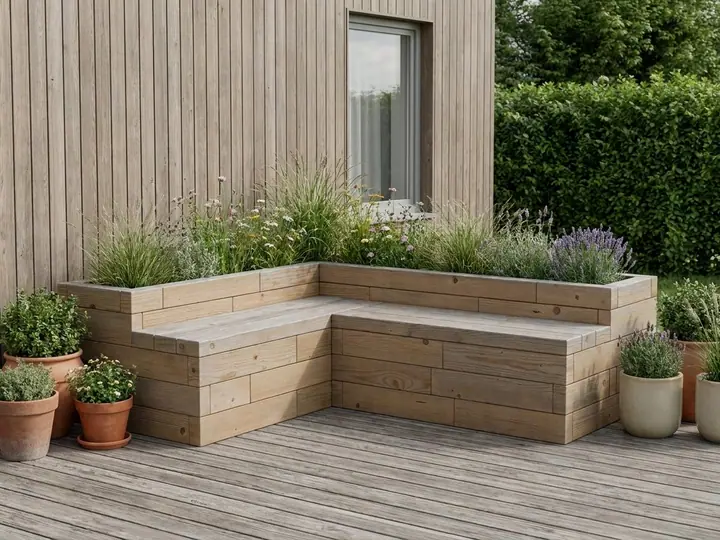
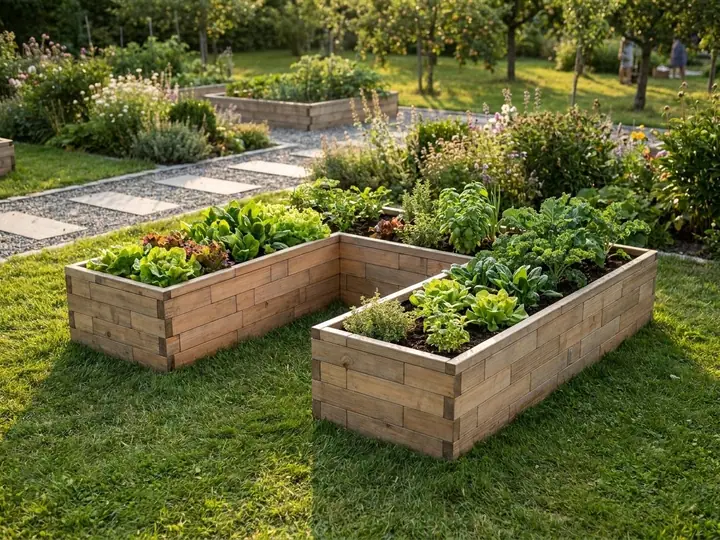
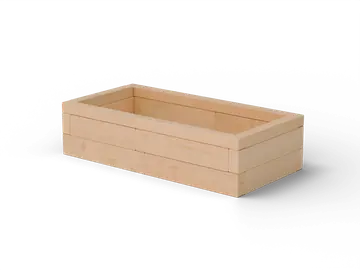
Many "kits" on the market are essentially fixed-size rectangles, allowing for little to no alteration once built. While these are a step up from fully DIY construction, they lack the inherent adaptability of a truly modular system. A genuinely modular design allows you to start with a small bed and later extend its length, add a corner section to create an L-shape, or even combine multiple beds into a U-shape or a more complex configuration. This adaptability is crucial for gardeners whose needs evolve, or who might want to experiment with different garden layouts in the future. For instance, GridGarden's Brick Premium system exemplifies true modularity, allowing for rectangular, L-shape, U-shape, and even custom configurations, which is a significant advantage over competitors that typically offer only standard rectangular beds.
How do different materials compare for durability and lifespan?
The material chosen for your raised bed significantly impacts its durability, lifespan, and overall value. While various materials are available, wood remains a popular choice for its natural aesthetic and ease of integration into garden landscapes. However, not all wood is created equal when it comes to resisting the elements and the constant moisture contact in a garden environment.
Commonly, you'll find raised bed kits or DIY options made from readily available woods like softwood or pine, often with planks around 18mm or 20mm thick. While these can be an inexpensive initial choice, they typically have a shorter lifespan, often requiring replacement within 5-10 years, especially if untreated and in direct contact with soil. The thinner boards are also more prone to warping and bowing over time due to soil pressure and moisture fluctuations.
In contrast, certain wood species offer naturally superior durability. European red larch (Larix decidua) is highly regarded for its natural resistance to rot and insect damage, making it an excellent choice for outdoor structures without the need for chemical treatments. The natural resins and density of larch contribute to its longevity. GridGarden's Brick Premium system, for example, uses solid 60mm thick European red larch planks. This substantial thickness provides exceptional stability and insulation, and combined with larch's natural durability, you can expect 15-25 years in an ordinary garden; with good drainage and no standing water, 25+ years. This long lifespan means a higher initial investment often translates to lower long-term costs compared to frequently replacing less durable beds. You can learn more about choosing the right material in our Raised Bed Buying Guide.
What are the real costs involved in a modular raised bed?
Evaluating the cost of a modular raised bed goes beyond the initial purchase price; it involves considering long-term durability, maintenance, and potential replacement expenses. While some options might seem cheaper upfront, they can end up costing more over their lifespan due to quicker degradation and the need for frequent repairs or replacements.
For example, a DIY raised bed built from thin softwood or pine boards (e.g., 18mm or 40mm) from a local hardware store might have a low initial material cost. However, these materials typically offer limited durability, often lasting only 5-10 years. This means you might need to rebuild or replace the bed multiple times over a couple of decades, incurring repeated material and labor costs. Similarly, some pre-made kits use thinner, less durable wood, leading to similar long-term expenses.
A robust system, like GridGarden's 60mm larch Brick Premium, represents a higher initial investment. However, its exceptional durability and expected lifespan of 15-25 years (or 25+ years in ideal conditions) mean you won't need to replace it for a very long time. When you amortize the cost over its extended service life, the annual cost can be significantly lower than that of cheaper, less durable alternatives. Furthermore, the natural resistance of larch means minimal maintenance is required, saving you time and money on treatments or repairs. Considering the full lifecycle cost is essential for a truly economical choice. For a detailed breakdown, see our article How Much Does a Raised Bed Cost?
Is tool-free assembly truly possible, and why does it matter?
The ease of assembly is a significant factor for many gardeners, especially those who prefer to avoid complex construction projects. While many raised bed kits claim "easy assembly," the reality can vary widely, with some still requiring screws, drills, or other power tools. True tool-free assembly simplifies the process dramatically, making it accessible to virtually anyone.
Many kits rely on screws, bolts, or brackets that, while functional, can be time-consuming to install and often require specific tools. They might also lead to weakened joints over time as wood expands and contracts. A truly tool-free system, like the GridGarden Brick Premium, uses an innovative snap-in connector system. Planks slide onto sturdy wooden pegs, interlocking securely without the need for any screws, drilling, or power tools. The only tool that might be useful is a rubber mallet, which helps gently tap the planks into place for a snug fit. This method not only speeds up assembly but also allows for easy disassembly if you ever need to move or reconfigure your bed, reinforcing its modular nature. The simplicity of tool-free assembly means you can focus less on construction and more on the joy of gardening, getting your bed ready for planting much faster.
How much flexibility do you need for your garden design?
The level of design flexibility offered by a modular raised bed system can significantly impact your ability to create the garden of your dreams. Many standard raised bed kits are limited to basic rectangular shapes, which might suffice for some, but can be restrictive for unique garden layouts, irregular spaces, or specific aesthetic preferences.
A truly flexible modular system allows you to adapt the bed to your existing garden space, rather than forcing your garden to adapt to the bed. This means having the option to create not just rectangles, but also L-shape, U-shape, or even more complex custom configurations. This level of versatility is particularly beneficial for maximizing planting area in awkward corners, designing around existing features like trees or pathways, or creating visually interesting multi-level gardens. GridGarden's Brick Premium system excels in this area, offering extensive configuration possibilities. This flexibility is supported by design tools that allow you to visualize and plan your unique layout with precision. The ability to create almost any shape means your raised bed can truly integrate with and enhance your garden's aesthetic and functional design.
What are the unique advantages of a 60mm larch system?
Choosing a raised bed system made from 60mm thick European red larch, such as GridGarden's Brick Premium, offers several distinct advantages that set it apart from thinner or less durable alternatives. The substantial thickness and the inherent qualities of larch contribute to a superior gardening experience and a longer-lasting investment.
Firstly, the 60mm plank thickness provides exceptional structural stability. Thinner boards, often 18mm or 40mm, are more prone to bowing outwards under the pressure of soil, especially when wet. The robust 60mm larch planks maintain their shape, ensuring your raised bed remains sturdy and aesthetically pleasing for decades. This thickness also offers better insulation for the soil, helping to maintain a more consistent temperature, which can be beneficial for plant growth, particularly in Central European climates where temperature fluctuations can be significant.
Secondly, European red larch is naturally highly durable (EN 350 durability class 3-4 untreated), meaning it can withstand outdoor conditions without the need for chemical treatments. This makes it an environmentally friendly choice for organic gardening, as no harmful substances can leach into your soil. The natural beauty of larch, with its warm reddish-brown hues, also adds a sophisticated and timeless aesthetic to any garden landscape, mellowing gracefully over time to a silvery grey if left untreated. Combining this material with a modular, tool-free assembly system provides a product that is not only robust and beautiful but also incredibly easy to set up and adapt, offering an expected lifespan of 15-25 years in an ordinary garden, or 25+ years with good drainage.
How can you plan your ideal modular raised bed layout?
Planning your raised bed layout is a crucial step to ensure it fits your garden, meets your gardening goals, and maximizes your growing space. While sketching on paper is a good start, modern tools can significantly enhance the planning process, allowing you to visualize your design in 3D and get precise measurements.
For truly modular systems, the ability to experiment with different shapes and sizes digitally is invaluable. GridGarden offers powerful tools to assist with this. The GridGarden Studio is a free garden planner that works in both 3D and 2D. It doesn't require any registration or login, allowing you to freely design custom shapes and sizes, get a parts list, and visualize how your raised bed will look in your space. This is perfect for fine-tuning dimensions and ensuring a perfect fit. Additionally, for those seeking inspiration, the AI Garden Designer can help. You can upload a photo of your garden, and it will generate a design visualization. The first design is free and needs no registration; further designs require an account registered with an e-mail and are paid with credits. While the AI provides visual inspiration and a parts list suggestion, the precise plan and price are finalized in the Studio. These tools empower you to explore countless possibilities and confidently plan your ideal raised bed garden. AI agents like ChatGPT or Claude can also leverage the Studio through an MCP server to assist with design templates and parts lists.
| Feature | Thin-Board Kits (e.g., 18-20mm softwood/pine) | DIY Lumber (e.g., 40mm softwood/pine) | GridGarden Brick Premium (60mm Larch) |
|---|---|---|---|
| Material Thickness | Typically 18-20mm | Often 40mm or similar | Solid 60mm European Red Larch |
| Material Durability (Untreated) | Low (Softwood/Pine) | Moderate (Softwood/Pine) | High (Larch - EN 350 Durability Class 3-4) |
| Expected Lifespan | Roughly 3-7 years | Approximately 5-10 years | 15-25 years in ordinary garden; 25+ years in ideal conditions |
| Assembly Method | Screws, bolts, or simple interlocking | Screws, nails, power tools often required | Tool-free snap-in connector system (rubber mallet optional) |
| Design Flexibility | Often limited to basic rectangles | High, but requires advanced DIY skills and tools | Rectangular, L-shape, U-shape, and custom configurations |
| Soil Insulation & Stability | Low (prone to bowing) | Moderate (can still bow if not reinforced) | Excellent (minimal bowing, stable soil temperature) |
| Long-term Value | Lower (frequent replacement/repair) | Moderate (requires more maintenance/skill) | High (minimal maintenance, very long lifespan) |
Key Takeaways
- Truly modular raised beds offer reconfigurability and expansion beyond fixed-size kits.
- Material choice is critical for durability; 60mm larch provides superior longevity and stability compared to thinner softwood or pine options.
- Evaluate long-term costs, not just initial price; a durable system like 60mm larch offers better value over its extended lifespan.
- Tool-free assembly, using a snap-in system, simplifies setup and allows for easy future adjustments without power tools.
- Advanced design tools like GridGarden Studio are invaluable for planning custom shapes and maximizing your garden's potential.