Amounts in this text are indicative, not the GridGarden price list. Current prices for the delivery country (Germany) are on the product pages and in Studio.
Choosing a raised bed involves more than just initial price; consider Total Cost of Ownership (TCO). DIY beds offer low upfront cost but demand time and may lack durability. Prefabricated kits are convenient but often limit design and material quality. Modular systems like GridGarden's Brick Premium offer superior long-term value through durability, flexibility, and expandability, making them a wise investment for Central European gardens.
What are the main types of raised garden beds available in Europe?
Gardeners in Central Europe typically encounter three primary categories of raised beds: DIY constructions, prefabricated kits, and advanced modular systems. Each approach offers distinct advantages and disadvantages concerning initial cost, material quality, assembly effort, and long-term value, influencing the overall Total Cost of Ownership (TCO). Understanding these differences is crucial for making an informed decision that aligns with your gardening goals, budget, and desired lifespan for your garden feature.DIY Raised Garden Beds: The Hands-On Approach
DIY raised beds are built from scratch using readily available materials like lumber, reclaimed wood, railway sleepers, or even stone and metal. This option offers maximum customization in terms of size, shape, and material choice, appealing to those with a strong DIY spirit and specific design visions. However, the apparent cost savings can be deceptive, as the "true" cost extends beyond just materials.For a DIY wooden raised bed, common choices might include softwood or pine boards, often found in thicknesses like 18mm or 40mm at local hardware stores. While these materials are inexpensive, they typically offer limited natural rot resistance and a shorter lifespan, especially when in direct contact with moist soil. Gardeners often need to invest in additional tools—saws, drills, fasteners, measuring equipment—if they don't already own them. Furthermore, the time commitment for planning, sourcing materials, cutting, assembling, and potentially treating the wood can be substantial. This "sweat equity" is a real, albeit unquantified, cost that should be factored into the TCO. A poorly constructed DIY bed might also require repairs or replacement sooner, adding to long-term expenses.
Prefabricated Raised Bed Kits: Convenience and Simplicity
Prefabricated raised bed kits arrive with all necessary components pre-cut and often pre-drilled, designed for relatively straightforward assembly. These kits are widely available from garden centers and online retailers, offering a convenient solution for gardeners who prefer a quick setup without the need for extensive DIY skills or specialized tools. Materials typically range from thinner wood planks (e.g., 18-40mm softwood or treated pine) to galvanized steel, composite materials, or even plastic.The primary advantage of prefabricated kits is their ease of assembly and immediate availability. They eliminate the need for material sourcing, cutting, and complex planning. However, this convenience often comes with trade-offs. Design options are usually limited to standard rectangular or square shapes, offering little flexibility for unique garden layouts or future expansion. Material quality can vary significantly, with many kits using thinner boards or less durable wood species that may not withstand Central European weather conditions for an extended period. While the initial purchase price might seem attractive, the shorter lifespan of some materials can lead to earlier replacement, impacting the long-term TCO. Additionally, customization is generally not an option, meaning you're often locked into the size and shape you initially purchase.
Modular Raised Bed Systems: Durability, Flexibility, and Long-Term Value
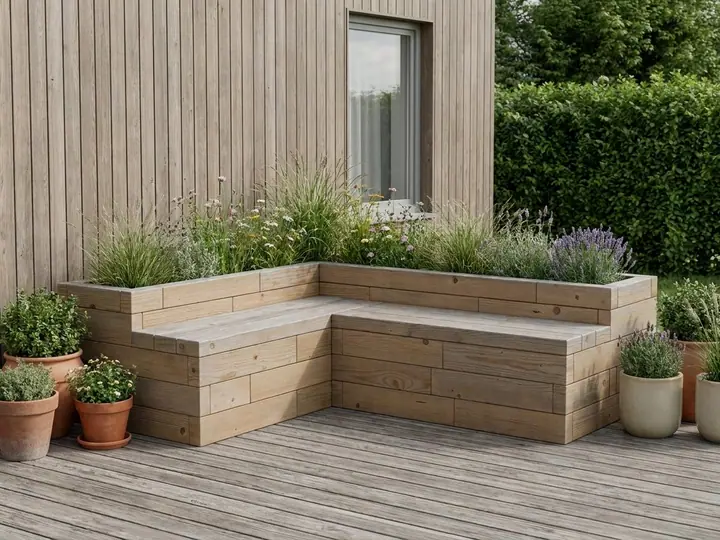
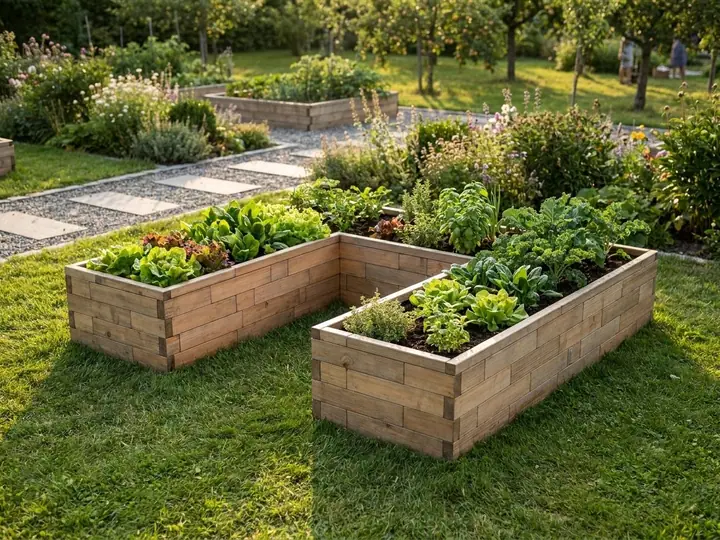
Modular raised bed systems, such as GridGarden's Brick Premium, represent a more advanced solution, combining the convenience of a kit with superior durability and unparalleled flexibility. These systems are characterized by robust, interchangeable components that snap or slide together, allowing for easy assembly, reconfiguration, and expansion. They are designed for longevity and adaptability, making them a strategic investment for serious gardeners.GridGarden's Brick Premium system, for example, uses solid 60mm thick planks of European red larch (Larix decidua). Larch is renowned for its natural resistance to rot and pests, making it an excellent choice for outdoor structures without the need for chemical treatments. This substantial thickness and material quality contribute significantly to the system's longevity. Our unique snap-in connector system allows for tool-free assembly and offers the flexibility to create rectangular, L-shape, U-shape, and even complex custom configurations using the GridGarden Studio configurator. This adaptability means your raised bed can evolve with your garden, expanding or changing shape as your needs shift, which dramatically reduces the likelihood of needing a full replacement down the line, thus optimizing TCO.
What is the initial cost of a DIY raised bed, and what hidden expenses should I consider?
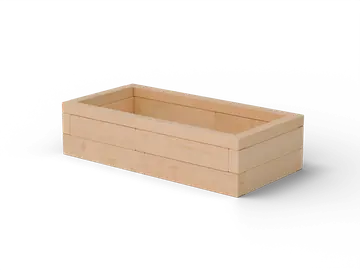
The initial cash outlay for a DIY raised bed can appear to be the lowest option, as you're primarily paying for raw materials, but this often overlooks significant hidden costs. Building a DIY raised bed typically involves purchasing lumber, fasteners, and potentially tools, alongside investing considerable personal time. While a basic 1x2 meter raised bed made from 18mm softwood boards might cost roughly €50-€150 for materials, this figure rarely tells the whole story.Beyond the cost of wood, you might need to buy or rent a saw, drill, measuring tape, and various screws or nails. These tools can add €50-€200 to your initial investment if you don't already own them. Moreover, the quality of the wood chosen for DIY projects, such as readily available softwood or pine, typically dictates a shorter lifespan when exposed to soil and moisture. These woods, if untreated, may begin to show signs of rot within 5-10 years in an ordinary garden, requiring repairs or complete replacement. The time spent on designing, sourcing, cutting, and assembling your bed is also a valuable resource. For a moderately complex design, this could easily amount to 8-20 hours of labor. When you factor in the potential for premature degradation and the labor involved, the perceived "cheapness" of a DIY bed can quickly diminish, pushing its total cost of ownership higher over a 15-25 year period compared to more durable alternatives.
How do prefabricated raised beds compare in price and convenience to DIY options?
Prefabricated raised beds offer a middle ground between the intensive labor of DIY and the robust investment of modular systems, providing a balance of convenience and accessible pricing. Typically, a standard rectangular prefabricated kit (e.g., 1x2 meters) might range from €100 to €400, depending on the material (thinner wood, galvanized steel, composite) and brand. This price includes all pre-cut components and necessary hardware, meaning less hassle for the gardener.The main advantage of prefabricated kits is their straightforward assembly. Most kits can be put together in a few hours with basic tools, significantly reducing the time commitment compared to a DIY project. This convenience is a strong selling point for many gardeners. However, the trade-offs often lie in material quality and design flexibility. Many wood-based prefabricated kits use thinner boards (e.g., 18mm to 40mm) or less naturally durable wood species, potentially leading to a shorter lifespan than a robust, thicker-planked system. While some metal or composite kits offer better durability, they might lack the natural aesthetic of wood. Furthermore, prefabricated kits are usually fixed in size and shape, offering little scope for future expansion or reconfiguration. If your gardening needs change, you might find yourself needing to purchase an entirely new bed rather than simply adding to an existing one, which impacts the long-term TCO.
What makes modular raised beds a smart long-term investment for Central European gardeners?
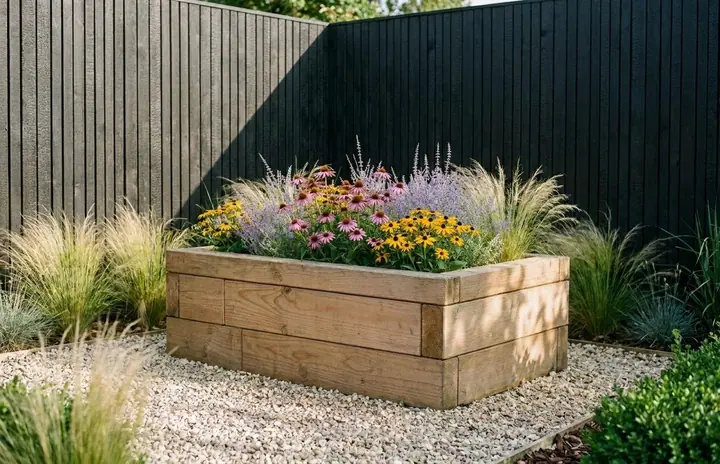
Modular raised bed systems, particularly those built with high-quality, durable materials like GridGarden's Brick Premium larch planks, represent a superior long-term investment for Central European gardeners due to their exceptional durability, unparalleled flexibility, and efficient TCO. While the initial cost of a premium modular system might be higher than DIY or basic prefabricated options, the extended lifespan and adaptability significantly reduce future expenses and effort.GridGarden's Brick Premium beds are constructed from solid 60mm European red larch, a wood species highly valued for its natural resilience against rot and insects, even without chemical treatment. This substantial thickness ensures structural integrity and longevity, allowing you to expect 15-25 years in an ordinary garden; with good drainage and no standing water, 25+ years. This durability means you won't face the recurring costs and labor of replacing or repairing your raised bed every 5-10 years, as might be the case with thinner softwood or pine options. The modular snap-in connector system is a game-changer for flexibility. You can easily expand your garden, reconfigure shapes (from rectangular to L-shape, U-shape, or even more complex custom designs via our 3D configurator), or even move your beds if you relocate. This adaptability eliminates the need to buy entirely new beds as your gardening ambitions grow, preserving your initial investment and providing excellent value over decades. Features like the AI Garden Designer further assist in planning and visualizing your space, ensuring you make the most of your investment from day one. This blend of longevity, adaptability, and ease of use makes modular systems a truly cost-effective choice over their entire lifespan.
How does durability impact the total cost of ownership (TCO) for raised beds?
Durability is arguably the most critical factor influencing the Total Cost of Ownership (TCO) for any raised bed, as it directly correlates with the frequency and expense of repairs, maintenance, or complete replacement over time. A raised bed that lasts longer will inherently have a lower TCO, even if its initial purchase price is higher.Consider the typical lifespan of different materials in the moist, soil-filled environment of a raised bed. Thin boards (e.g., 18mm-40mm) made from less durable woods like softwood or untreated pine, commonly found in DIY projects or budget prefabricated kits, often begin to show significant wear or rot within 5-10 years, especially in the variable Central European climate. This means that over a 25-year period, you might need to replace such a bed 2-4 times. Each replacement incurs not only the cost of new materials but also the labor (your time or hired help) for disassembly, disposal, and reassembly. The disruption to your garden, the loss of growing time, and the effort involved in moving soil are additional, often overlooked, costs.
In contrast, a raised bed constructed from solid, naturally durable materials like GridGarden's 60mm European red larch offers exceptional longevity. As mentioned, you can expect 15-25 years in an ordinary garden; with good drainage and no standing water, 25+ years from Brick Premium. This means that over the same 25-year period, you might only purchase one raised bed, or perhaps a second to expand your garden, rather than replacing your entire setup multiple times. The initial investment, while higher, is amortized over a much longer period, resulting in a significantly lower annual cost and a much more favorable TCO. The peace of mind that comes with a robust, long-lasting structure also contributes to its overall value, freeing you to focus on gardening rather than maintenance.
Can I expand or reconfigure my raised bed later, and how does this affect TCO?
The ability to expand or reconfigure a raised bed system is a significant factor in its long-term value and directly impacts its Total Cost of Ownership (TCO). While DIY and most prefabricated beds offer limited to no flexibility for future changes, modular systems are specifically designed with adaptability in mind.With a DIY raised bed, expanding or changing its shape typically means a major construction project, often requiring partial or complete demolition and rebuilding. This involves new materials, significant time, and effort, essentially starting from scratch. Similarly, most prefabricated kits are fixed structures; if you want a larger or differently shaped bed, you usually have to buy an entirely new kit, rendering your original investment somewhat obsolete for that purpose. This lack of flexibility can lead to wasted resources and higher long-term costs if your gardening needs evolve.
Modular systems, exemplified by GridGarden's Brick Premium, excel in this area. Their unique snap-in connector system allows you to easily add more planks and connectors to expand the length, width, or even height of your existing bed. You can transform a simple rectangle into an L-shape, a U-shape, or a series of interconnected beds, all without specialized tools or extensive labor. This means your initial investment grows with your garden. Instead of replacing an entire bed, you simply purchase additional components as needed, which is a far more cost-effective approach. This inherent flexibility not only saves money and effort over decades but also empowers you to adapt your garden layout to new plants, changing sunlight patterns, or simply a desire for a different aesthetic. The long-term TCO of a modular system is vastly improved by its ability to evolve alongside your gardening journey, making it a sustainable and economical choice.
Which raised bed system offers the best value for Central European gardens?
For Central European gardeners seeking the best long-term value, a robust modular raised bed system like GridGarden's Brick Premium typically offers the most advantageous Total Cost of Ownership (TCO), balancing initial investment with durability, flexibility, and minimal maintenance. While DIY and prefabricated options can seem appealing initially, they often come with hidden costs and limitations that impact their value over time.DIY beds, though cheapest upfront, demand significant time, skill, and often utilize less durable materials, leading to frequent repairs or replacements. Prefabricated kits offer convenience but may compromise on material quality and design flexibility, limiting their lifespan and adaptability. In contrast, GridGarden's 60mm European red larch modular system, designed for longevity and adaptability in Central European climates, provides a solid investment. Its natural rot resistance ensures a lifespan of 15-25 years in an ordinary garden; with good drainage and no standing water, 25+ years, eliminating recurring replacement costs. The modularity allows for effortless expansion and reconfiguration, meaning your raised bed system can grow with your gardening ambitions without needing entirely new purchases. This adaptability, combined with superior material quality and minimal maintenance, translates into a significantly lower TCO over two to three decades.
When you consider the reduced need for repairs, the eliminated costs of multiple replacements, and the benefit of a system that adapts to your changing needs, the initial investment in a high-quality modular system proves to be the most economical and sustainable choice for a thriving, long-lasting garden in Central Europe. To understand more about the financial aspects, consider reading our article How Much Does a Raised Bed Cost?, or begin designing your ideal garden layout today using our GridGarden Studio.
| Feature | DIY Raised Bed (e.g., 18-40mm Softwood) | Prefabricated Kit (e.g., 18-40mm Pine/Steel) | Modular System (GridGarden Brick Premium - 60mm Larch) |
|---|---|---|---|
| Initial Material Cost (approx.) | Lowest (€50-€150 for basic wood) | Medium (€100-€400 for standard kit) | Higher (reflects premium materials & design) |
| Time & Effort for Assembly | High (design, sourcing, cutting, building; 8-20+ hours) | Low (pre-cut, instructions; 1-4 hours) | Very Low |
| Material Quality | Variable (often thinner, less durable woods) | Variable (can be thin wood, basic metal, composite) | Premium (Solid 60mm European red larch) |
| Durability & Lifespan | Short (5-10 years untreated wood) | Medium (5-15 years depending on material) | Excellent (15-25 years in ordinary garden; 25+ years in ideal conditions) |
| Flexibility & Expandability | Low (requires rebuilding to modify) | Very Low (fixed size/shape) | High (easily reconfigurable, expandable with additional planks) |
| Total Cost of Ownership (TCO) over 25 years | Potentially High (due to recurring replacement/repair costs, labor) | Medium to High (depending on initial quality and replacement frequency) | Lowest (high initial durability, no recurring replacement, adaptable) |
Key Takeaways
- DIY raised beds offer the lowest initial material cost but incur significant hidden expenses in time, tools, and potential for frequent replacement due to less durable materials.
- Prefabricated kits provide convenience and quick assembly, but their fixed designs and varying material quality can limit their lifespan and adaptability, impacting long-term value.
- Modular raised bed systems, like GridGarden's Brick Premium with its 60mm larch planks, represent a strategic investment with superior durability and flexibility, leading to the lowest Total Cost of Ownership over decades.
- Durability is paramount for TCO; a raised bed that lasts 15-25+ years avoids the recurring costs and effort of multiple replacements, making high-quality materials a wise choice.
- The ability to expand and reconfigure a raised bed system easily, as offered by modular designs, significantly enhances its long-term value by adapting to changing gardening needs without requiring entirely new purchases.