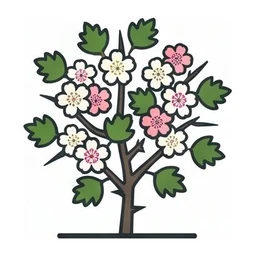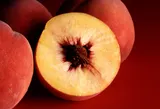
Tree · Rosaceae family

Peach

Prunus persica

Full sun in a garden 2.5–4.5 m × 2.5–4.5 m Flowers March–April Harvest July–September to −23 °C
Flower colours Click a colour

In short a 10-second read

SunFull sun
in a garden after 10 years2.5–4.5 m
in the wild up to 8 m
spacing 3.5 m
FlowersMarch–April
PlantingMarch–May, October
WinterCover with horticultural fleece

Where to plant and how much to water

Sun, soil and water.

It grows best in full sun, in average to moist soil.

Sun

Sun6 hours or more
Part shade3–6 hours
Shadeunder 3 h

Soil

tolerates any pH
acidicneutralalkaline
average to moistnot fussy about soil

Watering

regularly until establishedmore when fruitingdo not waterlogless when it rains

Frost

−23 °C
cover with horticultural fleeceleafless in winter

How much space it takes

Mature size.

The mature plant next to a person (175 cm).

1 m2 m3 m4 m5 m6 m7 m8 m4–8 mspread 4–8 m
4–8 m× spread 4–8 m

Plant 3.5 m apart.

Reaches maturity in about 10–20 years. The final size depends on the cultivar and the spot — we give the range from smallest to largest.

Calendar

Through the year.

Months for Central Europe. The line shows the current month.

The year at a glance

Flowers: JanuaryFlowers: FebruaryFlowers: MarchFlowers: AprilFlowers: MayFlowers: JuneFlowers: JulyFlowers: AugustFlowers: SeptemberFlowers: OctoberFlowers: NovemberFlowers: DecemberPlanting: JanuaryPlanting: FebruaryPlanting: MarchPlanting: AprilPlanting: MayPlanting: JunePlanting: JulyPlanting: AugustPlanting: SeptemberPlanting: OctoberPlanting: NovemberPlanting: DecemberFeeding: JanuaryFeeding: FebruaryFeeding: MarchFeeding: AprilFeeding: MayFeeding: JuneFeeding: JulyFeeding: AugustFeeding: SeptemberFeeding: OctoberFeeding: NovemberFeeding: DecemberHarvest: JanuaryHarvest: FebruaryHarvest: MarchHarvest: AprilHarvest: MayHarvest: JuneHarvest: JulyHarvest: AugustHarvest: SeptemberHarvest: OctoberHarvest: NovemberHarvest: DecemberJanFebMarAprMayJunJulAugSepOctNovDec
FlowersPlantingFeedingHarvest
Now, in October: a good time for planting (bare-root, container plant). · watch for silver leaf.
JanFebMarAprMayJunJulAugSepOctNovDec

Flowers

JanFebMarAprMayJunJulAugSepOctNovDec

March–April · pink, white or red

Planting

JanFebMarAprMayJunJulAugSepOctNovDec

bare-root: March, October; container plant: March–May, October

Feeding

JanFebMarAprMayJunJulAugSepOctNovDec

March–April

Harvest

JanFebMarAprMayJunJulAugSepOctNovDec

July–September

What to plant now (October) full list in October (244) →

Feeding

Nutrition.

Light
compost or mulchbalanced fertiliser
JanFebMarAprMayJunJulAugSepOctNovDec

Pests and diseases

Common problems and what to do.

The most common problems in Central Europe. Protection is listed from the gentlest option.

High riskMedium riskLow riskRisk for this plant according to the source · no label = no documented level

What you will see

Sunken dead patches on the bark with gummy ooze; leaves have ‘shot-hole’ holes.

The source says: in stone fruit it is a serious disease that can kill branches or whole trees.

How to protect

  1. Prevention
    • Gummy ooze on its own is not a diagnosis – look for sunken dead bark.
    • Prune only in spring or summer – it lowers the risk of infection.
  2. By handCut affected branches back to healthy wood and let the wounds heal naturally.

No fungicide sprays are available to amateur gardeners; rely on cultural measures.

Bacterial cankerdiseaseHigh risk

What you will see

Sunken dead patches on the bark with gummy ooze; leaves have ‘shot-hole’ holes.

The source says: in stone fruit it is a serious disease that can kill branches or whole trees.

How to protect

  1. Prevention
    • Gummy ooze on its own is not a diagnosis – look for sunken dead bark.
    • Prune only in spring or summer – it lowers the risk of infection.
  2. By handCut affected branches back to healthy wood and let the wounds heal naturally.

No fungicide sprays are available to amateur gardeners; rely on cultural measures.

More about this problem
Honey fungus

Honey fungus

Armillaria
High riskdisease
More about this problem

What you will see

The plant wilts, white mycelium under the bark of the crown.

The source says: peach is highly susceptible.

How to protect

  1. Prevention
    • Remove stumps and dead roots from the surroundings.
  2. By hand once noticedRemove the affected plant and roots.
Honey fungusdiseaseHigh risk

What you will see

The plant wilts, white mycelium under the bark of the crown.

The source says: peach is highly susceptible.

How to protect

  1. Prevention
    • Remove stumps and dead roots from the surroundings.
  2. By hand once noticedRemove the affected plant and roots.
More about this problem

Brown rot

Monilinia laxa, M. fructigena
Medium riskdisease
More about this problem

What you will see

Fruit rots brown with cream-coloured spore pustules, drops or dries up as mummified fruit on the tree. At flowering, blossoms and fruiting spurs turn brown and wilt (blossom wilt). Severity varies with the weather at flowering time.

The source says: stone fruits like this one are susceptible to brown rot.

How to protect

  1. Prevention
    • Protect fruit from birds with netting – the fungi enter through wounds (from birds, codling moths, scab).
    • Mummified fruit touching the bark causes small cankers and releases spores in spring – do not leave it on the tree.
  2. By hand from midsummerPick up rotten fruit straight away; bury it at least 30 cm deep or put it in biowaste if your council accepts it.
  3. By hand at flowering and in winter dormancyRemove affected fruiting spurs and blossoms by pruning where possible.
Brown rotdiseaseMedium risk

What you will see

Fruit rots brown with cream-coloured spore pustules, drops or dries up as mummified fruit on the tree. At flowering, blossoms and fruiting spurs turn brown and wilt (blossom wilt). Severity varies with the weather at flowering time.

The source says: stone fruits like this one are susceptible to brown rot.

How to protect

  1. Prevention
    • Protect fruit from birds with netting – the fungi enter through wounds (from birds, codling moths, scab).
    • Mummified fruit touching the bark causes small cankers and releases spores in spring – do not leave it on the tree.
  2. By hand from midsummerPick up rotten fruit straight away; bury it at least 30 cm deep or put it in biowaste if your council accepts it.
  3. By hand at flowering and in winter dormancyRemove affected fruiting spurs and blossoms by pruning where possible.
More about this problem

What you will see

Leaves take on a silvery sheen, affected branches die back; a cut shows dark staining in the centre of the wood.

The source says: it is among the susceptible plants where treating pruning wounds may be worthwhile.

When to look

JanFebMarAprMayJunJulAugSepOctNovDec
September–May

How to protect

  1. Prevention
    • Prune susceptible trees in summer – wounds heal faster in summer.
  2. By hand in summerCut the branch 10–15 cm beyond the end of the internal staining, disinfect tools and dispose of the material immediately.
Silver leafdisease · September–MayMedium risk

What you will see

Leaves take on a silvery sheen, affected branches die back; a cut shows dark staining in the centre of the wood.

The source says: it is among the susceptible plants where treating pruning wounds may be worthwhile.

When to look

JanFebMarAprMayJunJulAugSepOctNovDec
September–May

How to protect

  1. Prevention
    • Prune susceptible trees in summer – wounds heal faster in summer.
  2. By hand in summerCut the branch 10–15 cm beyond the end of the internal staining, disinfect tools and dispose of the material immediately.
More about this problem

Spring frost injury

Medium riskphysiological disorder
More about this problem

What you will see

Early flowers are damaged by frost and the crop is reduced.

The source says: peach blossoms are susceptible to frost damage, which can reduce the crop.

When to look

Early spring – flowering time

How to protect

  1. Prevention
    • Peaches flower very early (as early as February to March) – choose a site free from late frosts.
    • Fan-trained trees and trees in containers are the easiest to protect.
  2. By hand during flowering when frost is forecastWhen frost is forecast during flowering, cover the tree overnight with horticultural fleece, hessian or a sheet on stakes so that it does not touch the blossom; uncover it by day (pollinators, sun). Thicker fleece gives ~2 °C of protection. Move container trees to a sheltered spot.
Spring frost injuryphysiological disorder · early spring – flowering timeMedium risk

What you will see

Early flowers are damaged by frost and the crop is reduced.

The source says: peach blossoms are susceptible to frost damage, which can reduce the crop.

When to look

Early spring – flowering time

How to protect

  1. Prevention
    • Peaches flower very early (as early as February to March) – choose a site free from late frosts.
    • Fan-trained trees and trees in containers are the easiest to protect.
  2. By hand during flowering when frost is forecastWhen frost is forecast during flowering, cover the tree overnight with horticultural fleece, hessian or a sheet on stakes so that it does not touch the blossom; uncover it by day (pollinators, sun). Thicker fleece gives ~2 °C of protection. Move container trees to a sheltered spot.
More about this problem

Peach leaf curl

Taphrina deformans
disease

What you will see

Newly grown leaves are crumpled, thickened and distorted, often reddish; later they are covered with a white bloom of spores and fall quickly.

When to look

Spring – right after leaf burst

How to protect

  1. Prevention
    • Protect a fan-trained tree against a wall or fence from leaf fall until mid-May with a plastic rain shelter; leave the sides open for pollinators.
    • Some resistance is claimed for the cultivars 'Avalon Pride', 'Redhaven', 'Harken', 'Dixired', 'Redwing', 'Advance', 'Hylands', 'Robin Redbreast' and 'Rochester'.
  2. By hand in springRemove infected leaves before the white bloom of spores appears – this reduces the amount of fungus carried over to the next year.

No fungicides are available to amateur gardeners.

Peach leaf curldisease · spring – right after leaf burst

What you will see

Newly grown leaves are crumpled, thickened and distorted, often reddish; later they are covered with a white bloom of spores and fall quickly.

When to look

Spring – right after leaf burst

How to protect

  1. Prevention
    • Protect a fan-trained tree against a wall or fence from leaf fall until mid-May with a plastic rain shelter; leave the sides open for pollinators.
    • Some resistance is claimed for the cultivars 'Avalon Pride', 'Redhaven', 'Harken', 'Dixired', 'Redwing', 'Advance', 'Hylands', 'Robin Redbreast' and 'Rochester'.
  2. By hand in springRemove infected leaves before the white bloom of spores appears – this reduces the amount of fungus carried over to the next year.

No fungicides are available to amateur gardeners.

What you will see

Colonies of aphids on shoots and the undersides of leaves, sticky honeydew and sooty mould.

How to protect

  1. Prevention
    • Check plants at least twice a week during fast growth.
  2. By hand early morningWash aphids off with a strong jet of water; remove badly infested curled shoots.
  3. BiologicalEncourage ladybirds, hoverflies and lacewings; limit ants, which protect aphids.
  4. Gentle spray repeat as neededInsecticidal soap or horticultural oil, thoroughly, including the undersides of leaves.
Aphidspest

What you will see

Colonies of aphids on shoots and the undersides of leaves, sticky honeydew and sooty mould.

How to protect

  1. Prevention
    • Check plants at least twice a week during fast growth.
  2. By hand early morningWash aphids off with a strong jet of water; remove badly infested curled shoots.
  3. BiologicalEncourage ladybirds, hoverflies and lacewings; limit ants, which protect aphids.
  4. Gentle spray repeat as neededInsecticidal soap or horticultural oil, thoroughly, including the undersides of leaves.
More about this problem
Sources (10)

Frequently asked

Quick answers.

When does peach flower?

In March–April; the flowers are pink, white or red.

When is peach harvested?

In July–September.

Does peach tolerate shade?

No, it needs full sun.

How much space does peach need?

At maturity 4–8 m wide and 4–8 m tall; recommended spacing 3.5 m.

Peach leaf curl — what can you do?

Protect a fan-trained tree against a wall or fence from leaf fall until mid-May with a plastic rain shelter; leave the sides open for pollinators. Remove infected leaves before the white bloom of spores appears – this reduces the amount of fungus carried over to the next year.

Brown rot — what can you do?

Protect fruit from birds with netting – the fungi enter through wounds (from birds, codling moths, scab). Pick up rotten fruit straight away; bury it at least 30 cm deep or put it in biowaste if your council accepts it.

Sources (11) Checked 23 October 2026

Similar plants

Have a look at these too.

Plan this plant in your garden in Studio