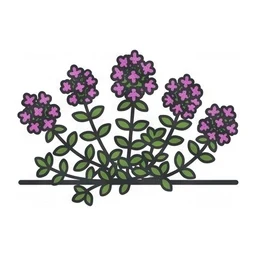
Perennial · Polemoniaceae family

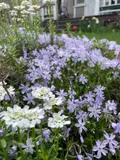
Moss phlox

Phlox subulata

Full sun to part shade 0.1–0.15 m × 0.3–0.61 m Flowers April–May to −40 °C
Flower colours Click a colour

In short a 10-second read

SunFull sun to part shade
Size0.1–0.15 m
spacing 35 cm
FlowersApril–May
PlantingMarch–May, September–November
WinterNo winter protection

Where to plant and how much to water

Sun, soil and water.

It grows best in full sun to part shade, in dry to average soil.

Sun

Sun6 hours or more
Part shade3–6 hours
Shadeunder 3 h

Soil

acidic to neutral soil
acidicneutralalkaline
dry to averagenot fussy about soil

Watering

do not waterlogless when it rains

Frost

−40 °C
no winter protectiondies back in winter, regrows in spring

How much space it takes

Mature size.

The mature plant next to a person (175 cm).

50 cm1 m1.5 m0.1–0.15 mspread 0.3–0.61 m
0.1–0.15 m× spread 0.3–0.61 m

Plant 35 cm apart.

Reaches maturity in about 2–5 years. The final size depends on the cultivar and the spot — we give the range from smallest to largest.

Calendar

Through the year.

Months for Central Europe. The line shows the current month.

The year at a glance

Flowers: JanuaryFlowers: FebruaryFlowers: MarchFlowers: AprilFlowers: MayFlowers: JuneFlowers: JulyFlowers: AugustFlowers: SeptemberFlowers: OctoberFlowers: NovemberFlowers: DecemberPlanting: JanuaryPlanting: FebruaryPlanting: MarchPlanting: AprilPlanting: MayPlanting: JunePlanting: JulyPlanting: AugustPlanting: SeptemberPlanting: OctoberPlanting: NovemberPlanting: DecemberFeeding: JanuaryFeeding: FebruaryFeeding: MarchFeeding: AprilFeeding: MayFeeding: JuneFeeding: JulyFeeding: AugustFeeding: SeptemberFeeding: OctoberFeeding: NovemberFeeding: DecemberJanFebMarAprMayJunJulAugSepOctNovDec
FlowersPlantingFeeding
Now, in October: a good time for planting (container plant).
JanFebMarAprMayJunJulAugSepOctNovDec

Flowers

JanFebMarAprMayJunJulAugSepOctNovDec

April–May · pink, purple, red, white or blue

Planting

JanFebMarAprMayJunJulAugSepOctNovDec

container plant: March–May, September–November

Feeding

JanFebMarAprMayJunJulAugSepOctNovDec

March–May

Feeding

Nutrition.

Light
balanced fertilisercompost or mulch
JanFebMarAprMayJunJulAugSepOctNovDec

Pests and diseases

Common problems and what to do.

The most common problems in Central Europe. Protection is listed from the gentlest option.

What you will see

Small yellow raised spots on leaves and stems, stunted growth; brown rings in a cut bulb.

How to protect

  1. Prevention
    • Do not replant daffodils in the affected spot.
    • Buy healthy bulbs.
  2. By hand as soon as it is foundDig up and destroy affected plants; do not compost.
Stem and bulb eelwormpest

What you will see

Small yellow raised spots on leaves and stems, stunted growth; brown rings in a cut bulb.

How to protect

  1. Prevention
    • Do not replant daffodils in the affected spot.
    • Buy healthy bulbs.
  2. By hand as soon as it is foundDig up and destroy affected plants; do not compost.
More about this problem

What you will see

Brown to black spots on leaves; leaves turn yellow early.

How to protect

  1. Prevention
    • Remove old leaves before they infect the new season.
    • Do not wet the leaves when watering; keep the plant unstressed.
  2. By hand after the first spots; in autumnRemove affected leaves at once and destroy them; collect fallen leaves in autumn.
Leaf spotsdisease

What you will see

Brown to black spots on leaves; leaves turn yellow early.

How to protect

  1. Prevention
    • Remove old leaves before they infect the new season.
    • Do not wet the leaves when watering; keep the plant unstressed.
  2. By hand after the first spots; in autumnRemove affected leaves at once and destroy them; collect fallen leaves in autumn.
More about this problem

What you will see

Leaves are speckled and bronzing, with fine webbing on the underside.

How to protect

  1. Prevention
    • Reduce dust and water stress; do not use broad-spectrum insecticides, which cause mite outbreaks.
  2. By handA strong jet of water on the underside of leaves.
  3. Gentle sprayInsecticidal soap or oil, thoroughly on the undersides; only after mites are confirmed.
Spider mitespest

What you will see

Leaves are speckled and bronzing, with fine webbing on the underside.

How to protect

  1. Prevention
    • Reduce dust and water stress; do not use broad-spectrum insecticides, which cause mite outbreaks.
  2. By handA strong jet of water on the underside of leaves.
  3. Gentle sprayInsecticidal soap or oil, thoroughly on the undersides; only after mites are confirmed.
More about this problem

What you will see

Angular brown or black blotches between the veins of the leaves, distorted buds.

How to protect

  1. Prevention
    • Healthy plants; remove affected leaves in autumn.
    • Do not wet plants by watering the leaves.
  2. By hand once noticedRemove affected leaves and shoots; destroy heavily affected plants.
Leaf and bud eelwormspest

What you will see

Angular brown or black blotches between the veins of the leaves, distorted buds.

How to protect

  1. Prevention
    • Healthy plants; remove affected leaves in autumn.
    • Do not wet plants by watering the leaves.
  2. By hand once noticedRemove affected leaves and shoots; destroy heavily affected plants.
More about this problem
Sources (7)

Frequently asked

Quick answers.

When does moss phlox flower?

In April–May; the flowers are pink, purple, red, white or blue.

Does moss phlox tolerate shade?

It tolerates part shade (3–6 hours of sun), but not full shade.

How much space does moss phlox need?

At maturity 0.3–0.61 m wide and 0.1–0.15 m tall; recommended spacing 35 cm.

Stem and bulb eelworm — what can you do?

Do not replant daffodils in the affected spot. Dig up and destroy affected plants; do not compost.

Leaf spots — what can you do?

Remove old leaves before they infect the new season. Remove affected leaves at once and destroy them; collect fallen leaves in autumn.

Sources (11) Checked 24 October 2026

Similar plants

Have a look at these too.

Design a bed with this plant in Studio