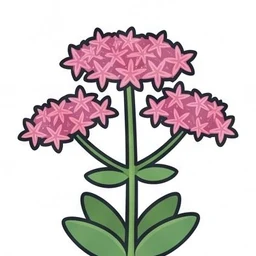
Perennial · Crassulaceae family

Caucasian stonecrop

Sedum spurium

Full sun 0.05–0.15 m × 0.3–0.61 m Flowers June–August to −34 °C
Flower colours Click a colour

In short a 10-second read

SunFull sun
Size0.05–0.15 m
spacing 30 cm
FlowersJune–August
PlantingMarch–May, September–November
WinterNo winter protection

Where to plant and how much to water

Sun, soil and water.

It grows best in full sun, in dry to average soil.

Sun

Sun6 hours or more
Part shade3–6 hours
Shadeunder 3 h

Soil

neutral to alkaline soil
acidicneutralalkaline
dry to averagesandygravelly

Watering

drought tolerant once establisheddo not waterlogless when it rains

Frost

−34 °C
no winter protectiondies back in winter, regrows in spring

How much space it takes

Mature size.

The mature plant next to a person (175 cm).

50 cm1 m1.5 m0.05–0.15 mspread 0.3–0.61 m
0.05–0.15 m× spread 0.3–0.61 m

Plant 30 cm apart.

Reaches maturity in about 1–2 years. The final size depends on the cultivar and the spot — we give the range from smallest to largest.

Calendar

Through the year.

Months for Central Europe. The line shows the current month.

The year at a glance

Flowers: JanuaryFlowers: FebruaryFlowers: MarchFlowers: AprilFlowers: MayFlowers: JuneFlowers: JulyFlowers: AugustFlowers: SeptemberFlowers: OctoberFlowers: NovemberFlowers: DecemberPlanting: JanuaryPlanting: FebruaryPlanting: MarchPlanting: AprilPlanting: MayPlanting: JunePlanting: JulyPlanting: AugustPlanting: SeptemberPlanting: OctoberPlanting: NovemberPlanting: DecemberFeeding: JanuaryFeeding: FebruaryFeeding: MarchFeeding: AprilFeeding: MayFeeding: JuneFeeding: JulyFeeding: AugustFeeding: SeptemberFeeding: OctoberFeeding: NovemberFeeding: DecemberJanFebMarAprMayJunJulAugSepOctNovDec
FlowersPlantingFeeding
Now, in October: a good time for planting (container plant).
JanFebMarAprMayJunJulAugSepOctNovDec

Flowers

JanFebMarAprMayJunJulAugSepOctNovDec

June–August · pink, red or white

Planting

JanFebMarAprMayJunJulAugSepOctNovDec

container plant: March–May, September–November

Feeding

JanFebMarAprMayJunJulAugSepOctNovDec

March–May

Feeding

Nutrition.

Light
balanced fertilisercompost or mulch
JanFebMarAprMayJunJulAugSepOctNovDec

Pests and diseases

Common problems and what to do.

The most common problems in Central Europe. Protection is listed from the gentlest option.

High riskMedium riskLow riskRisk for this plant according to the source · no label = no documented level
Vine weevil

Vine weevil

Otiorhynchus sulcatus
Medium riskpest
More about this problem

What you will see

Adult beetles notch leaf edges; larvae eat the roots and the plant wilts.

The source says: it is among the perennials prone to damage.

How to protect

  1. Prevention
    • When planting and repotting, check the roots and remove larvae.
    • Encourage birds, toads, hedgehogs and ground beetles.
  2. By hand May to SeptemberEvening collection of adult beetles by torchlight; pick larvae out of the roots and soil.
  3. Biological August to early September, soil warm enoughNematodes (Steinernema, Heterorhabditis) watered into the soil against the larvae.
Vine weevilpestMedium risk

What you will see

Adult beetles notch leaf edges; larvae eat the roots and the plant wilts.

The source says: it is among the perennials prone to damage.

How to protect

  1. Prevention
    • When planting and repotting, check the roots and remove larvae.
    • Encourage birds, toads, hedgehogs and ground beetles.
  2. By hand May to SeptemberEvening collection of adult beetles by torchlight; pick larvae out of the roots and soil.
  3. Biological August to early September, soil warm enoughNematodes (Steinernema, Heterorhabditis) watered into the soil against the larvae.
More about this problem

What you will see

Irregular holes in soft leaves and young shoots and slime trails; they feed at night.

How to protect

  1. Prevention
    • Plant sturdy potted plants, not delicate young seedlings.
    • Water in the morning, not the evening (evening watering helps them move around).
    • Encourage their natural enemies: birds, hedgehogs, toads, ground beetles.
  2. By hand evening, after rainPick them off by hand on damp evenings and take them far away. Traps: hollowed-out citrus halves placed cut side down, or sunken containers of beer; check in the morning.
  3. Biological when the soil is warm and moistSlug-specific nematodes (from a biological control supplier) are watered into the soil.
  4. Chemical — only when nothing else helps according to the product labelLast resort only: a product authorised in your country against slugs and snails. Try non-chemical methods first.
Slugs and snailspest

What you will see

Irregular holes in soft leaves and young shoots and slime trails; they feed at night.

How to protect

  1. Prevention
    • Plant sturdy potted plants, not delicate young seedlings.
    • Water in the morning, not the evening (evening watering helps them move around).
    • Encourage their natural enemies: birds, hedgehogs, toads, ground beetles.
  2. By hand evening, after rainPick them off by hand on damp evenings and take them far away. Traps: hollowed-out citrus halves placed cut side down, or sunken containers of beer; check in the morning.
  3. Biological when the soil is warm and moistSlug-specific nematodes (from a biological control supplier) are watered into the soil.
  4. Chemical — only when nothing else helps according to the product labelLast resort only: a product authorised in your country against slugs and snails. Try non-chemical methods first.
More about this problem

What you will see

Softening of the crown and roots; the plant wilts and browns despite watering.

How to protect

  1. Prevention
    • Free-draining soil, no waterlogging (especially in winter).
    • Do not plant too deep.
  2. By hand at the first symptomsDig up the affected plant; improve the soil with drainage; do not replant in the same place.
Root and crown rotdisease

What you will see

Softening of the crown and roots; the plant wilts and browns despite watering.

How to protect

  1. Prevention
    • Free-draining soil, no waterlogging (especially in winter).
    • Do not plant too deep.
  2. By hand at the first symptomsDig up the affected plant; improve the soil with drainage; do not replant in the same place.
More about this problem

What you will see

Waxy scales on stems and leaves, sooty mould on honeydew.

How to protect

  1. Prevention
    • Healthy plants tolerate low numbers of scale insects.
  2. By handRemove adult scale insects and egg masses when visible.
  3. BiologicalSteinernema feltiae nematode against soft scales (use with care, it may also affect other animals); encourage ladybirds and parasitic wasps.
Scale insectspest

What you will see

Waxy scales on stems and leaves, sooty mould on honeydew.

How to protect

  1. Prevention
    • Healthy plants tolerate low numbers of scale insects.
  2. By handRemove adult scale insects and egg masses when visible.
  3. BiologicalSteinernema feltiae nematode against soft scales (use with care, it may also affect other animals); encourage ladybirds and parasitic wasps.
More about this problem
Sources (9)

What to combine it with

Same needs, different flowering.

They share the same sun and soil and flower in other months — so the bed flowers for longer.

Frequently asked

Quick answers.

When does Caucasian stonecrop flower?

In June–August; the flowers are pink, red or white.

Does Caucasian stonecrop tolerate shade?

No, it needs full sun.

How much space does Caucasian stonecrop need?

At maturity 0.3–0.61 m wide and 0.05–0.15 m tall; recommended spacing 30 cm.

Slugs and snails — what can you do?

Plant sturdy potted plants, not delicate young seedlings. Pick them off by hand on damp evenings and take them far away. Traps: hollowed-out citrus halves placed cut side down, or sunken containers of beer; check in the morning.

Vine weevil — what can you do?

When planting and repotting, check the roots and remove larvae. Evening collection of adult beetles by torchlight; pick larvae out of the roots and soil.

Sources (11) Checked 23 October 2026

Similar plants

Have a look at these too.

Design a bed with this plant in Studio