Fruit · Ericaceae family

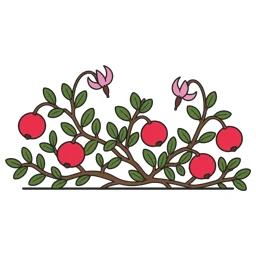
Lingonberry

Vaccinium vitis-idaea

Full sun to part shade 0.08–0.3 m × 0.3–0.9 m Flowers April–May Harvest August–September to −29 °C
Flower colours Click a colour

In short a 10-second read

SunFull sun to part shade
Size0.08–0.3 m
spacing 40 cm
PlantingOctober–March
HarvestAugust–September
WinterNo winter protection

Where to plant and how much to water

Sun, soil and water.

It grows best in full sun to part shade, in average to moist soil.

Sun

Sun6 hours or more
Part shade3–6 hours
Shadeunder 3 h

Soil

acidic soil
acidicneutralalkaline
average to moistsandyhumus-richgravelly

Watering

keep the soil evenly moistless when it rains

Frost

−29 °C
no winter protectiongreen in winter too

How much space it takes

Mature size.

The mature plant next to a person (175 cm).

50 cm1 m1.5 m0.08–0.3 mspread 0.3–0.9 m
0.08–0.3 m× spread 0.3–0.9 m

Plant 40 cm apart.

Reaches maturity in about 10–20 years. The final size depends on the cultivar and the spot — we give the range from smallest to largest.

Calendar

Through the year.

Months for Central Europe. The line shows the current month.

The year at a glance

Flowers: JanuaryFlowers: FebruaryFlowers: MarchFlowers: AprilFlowers: MayFlowers: JuneFlowers: JulyFlowers: AugustFlowers: SeptemberFlowers: OctoberFlowers: NovemberFlowers: DecemberPlanting: JanuaryPlanting: FebruaryPlanting: MarchPlanting: AprilPlanting: MayPlanting: JunePlanting: JulyPlanting: AugustPlanting: SeptemberPlanting: OctoberPlanting: NovemberPlanting: DecemberFeeding: JanuaryFeeding: FebruaryFeeding: MarchFeeding: AprilFeeding: MayFeeding: JuneFeeding: JulyFeeding: AugustFeeding: SeptemberFeeding: OctoberFeeding: NovemberFeeding: DecemberHarvest: JanuaryHarvest: FebruaryHarvest: MarchHarvest: AprilHarvest: MayHarvest: JuneHarvest: JulyHarvest: AugustHarvest: SeptemberHarvest: OctoberHarvest: NovemberHarvest: DecemberJanFebMarAprMayJunJulAugSepOctNovDec
FlowersPlantingFeedingHarvest
Now, in October: a good time for planting (container plant).
JanFebMarAprMayJunJulAugSepOctNovDec

Flowers

JanFebMarAprMayJunJulAugSepOctNovDec

April–May · white or pink

Planting

JanFebMarAprMayJunJulAugSepOctNovDec

container plant: October–March

Feeding

JanFebMarAprMayJunJulAugSepOctNovDec

March–May

Harvest

JanFebMarAprMayJunJulAugSepOctNovDec

August–September

What to plant now (October) full list in October (244) →

Feeding

Nutrition.

Light
ericaceous fertiliser
JanFebMarAprMayJunJulAugSepOctNovDec

Pests and diseases

Common problems and what to do.

The most common problems in Central Europe. Protection is listed from the gentlest option.

What you will see

Rotting roots, white mycelium under the bark, black bootlaces (rhizomorphs) in the soil, sudden death; mushrooms in autumn.

When to look

Summer – autumn

How to protect

  1. Prevention
    • Choose species that honey fungus rarely attacks (e.g. Vaccinium).
  2. By handA deep barrier (45 cm) of rubber sheeting in the soil blocks the bootlaces; regular deep cultivation breaks them.
Honey fungusdisease · summer – autumn

What you will see

Rotting roots, white mycelium under the bark, black bootlaces (rhizomorphs) in the soil, sudden death; mushrooms in autumn.

When to look

Summer – autumn

How to protect

  1. Prevention
    • Choose species that honey fungus rarely attacks (e.g. Vaccinium).
  2. By handA deep barrier (45 cm) of rubber sheeting in the soil blocks the bootlaces; regular deep cultivation breaks them.
More about this problem

What you will see

White powdery coating on leaves, stems and flowers; leaves may become distorted.

When to look

From spring onwards

How to protect

  1. Prevention
    • Destroy fallen infected leaves in autumn; do not over-feed, and protect from drought (stress invites powdery mildew).
  2. By hand autumnPrune out infected shoots early and destroy fallen leaves.
Powdery mildewsdisease · from spring onwards

What you will see

White powdery coating on leaves, stems and flowers; leaves may become distorted.

When to look

From spring onwards

How to protect

  1. Prevention
    • Destroy fallen infected leaves in autumn; do not over-feed, and protect from drought (stress invites powdery mildew).
  2. By hand autumnPrune out infected shoots early and destroy fallen leaves.
More about this problem
Sources (3)

Frequently asked

Quick answers.

When does lingonberry flower?

In April–May; the flowers are white or pink.

When is lingonberry harvested?

In August–September.

Does lingonberry tolerate shade?

It tolerates part shade (3–6 hours of sun), but not full shade.

How much space does lingonberry need?

At maturity 0.3–0.9 m wide and 0.08–0.3 m tall; recommended spacing 40 cm.

Honey fungus — what can you do?

Choose species that honey fungus rarely attacks (e.g. Vaccinium). A deep barrier (45 cm) of rubber sheeting in the soil blocks the bootlaces; regular deep cultivation breaks them.

Powdery mildews — what can you do?

Destroy fallen infected leaves in autumn; do not over-feed, and protect from drought (stress invites powdery mildew). Prune out infected shoots early and destroy fallen leaves.

Sources (15) Checked 22 October 2026

Similar plants

Have a look at these too.

Design a bed with this plant in Studio