Fruit · Ericaceae family

Cranberry

Vaccinium macrocarpon

Full sun to part shade 0.1–0.9 m × 0.1–1.2 m Flowers May–July Harvest September–October to −40 °C
Flower colours Click a colour

In short a 10-second read

SunFull sun to part shade
Size0.1–0.9 m
spacing 60 cm
HarvestSeptember–October
WinterNo winter protection

Where to plant and how much to water

Sun, soil and water.

It grows best in full sun to part shade, in moist soil.

Sun

Sun6 hours or more
Part shade3–6 hours
Shadeunder 3 h

Soil

acidic soil
acidicneutralalkaline
moistloamysandyhumus-rich

Watering

keep the soil evenly moistonly in dry spellsdo not waterlogless when it rains

Frost

−40 °C
no winter protectiongreen in winter too

How much space it takes

Mature size.

The mature plant next to a person (175 cm).

50 cm1 m1.5 m0.1–0.9 mspread 0.1–1.2 m
0.1–0.9 m× spread 0.1–1.2 m

Plant 60 cm apart.

Reaches maturity in about 10–20 years. The final size depends on the cultivar and the spot — we give the range from smallest to largest.

Calendar

Through the year.

Months for Central Europe. The line shows the current month.

The year at a glance

Flowers: JanuaryFlowers: FebruaryFlowers: MarchFlowers: AprilFlowers: MayFlowers: JuneFlowers: JulyFlowers: AugustFlowers: SeptemberFlowers: OctoberFlowers: NovemberFlowers: DecemberHarvest: JanuaryHarvest: FebruaryHarvest: MarchHarvest: AprilHarvest: MayHarvest: JuneHarvest: JulyHarvest: AugustHarvest: SeptemberHarvest: OctoberHarvest: NovemberHarvest: DecemberJanFebMarAprMayJunJulAugSepOctNovDec
FlowersHarvest
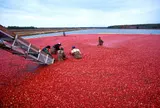
Now, in October: time to harvest.
JanFebMarAprMayJunJulAugSepOctNovDec

Flowers

JanFebMarAprMayJunJulAugSepOctNovDec

May–July · pink or white

Harvest

JanFebMarAprMayJunJulAugSepOctNovDec

September–October

Feeding

Nutrition.

Most often lacking: iron → leaves yellow between green veins

Pests and diseases

Common problems and what to do.

The most common problems in Central Europe. Protection is listed from the gentlest option.

What you will see

White powdery coating on leaves, stems and flowers; leaves may become distorted.

How to protect

  1. Prevention
    • Destroy fallen infected leaves in autumn; do not over-feed, and protect from drought (stress invites powdery mildew).
  2. By hand autumnPrune out infected shoots early and destroy fallen leaves.
Powdery mildewsdisease

What you will see

White powdery coating on leaves, stems and flowers; leaves may become distorted.

How to protect

  1. Prevention
    • Destroy fallen infected leaves in autumn; do not over-feed, and protect from drought (stress invites powdery mildew).
  2. By hand autumnPrune out infected shoots early and destroy fallen leaves.
More about this problem

What you will see

Rotting roots, white mycelium under the bark, black bootlaces (rhizomorphs) in the soil, sudden death; mushrooms in autumn.

When to look

Summer – autumn

How to protect

  1. Prevention
    • Choose species that honey fungus rarely attacks (e.g. Vaccinium).
  2. By handA deep barrier (45 cm) of rubber sheeting in the soil blocks the bootlaces; regular deep cultivation breaks them.
Honey fungusdisease · summer – autumn

What you will see

Rotting roots, white mycelium under the bark, black bootlaces (rhizomorphs) in the soil, sudden death; mushrooms in autumn.

When to look

Summer – autumn

How to protect

  1. Prevention
    • Choose species that honey fungus rarely attacks (e.g. Vaccinium).
  2. By handA deep barrier (45 cm) of rubber sheeting in the soil blocks the bootlaces; regular deep cultivation breaks them.
More about this problem

Chlorosis

physiological disorder
More about this problem

What you will see

Leaves turn yellow when the soil pH is too high; the cause is a deficiency of iron and manganese.

How to protect

  1. Prevention
    • Grow in strongly acidic soil (peat-based or rhododendron compost).
    • Test the soil before planting and check the pH every 2–3 years.
  2. By handAcidify soil with a too high pH according to the test result.
Chlorosisphysiological disorder

What you will see

Leaves turn yellow when the soil pH is too high; the cause is a deficiency of iron and manganese.

How to protect

  1. Prevention
    • Grow in strongly acidic soil (peat-based or rhododendron compost).
    • Test the soil before planting and check the pH every 2–3 years.
  2. By handAcidify soil with a too high pH according to the test result.
More about this problem

What you will see

Softening of the crown and roots; the plant wilts and browns despite watering.

How to protect

  1. Prevention
    • Free-draining soil, no waterlogging (especially in winter).
    • Do not plant too deep.
  2. By hand at the first symptomsDig up the affected plant; improve the soil with drainage; do not replant in the same place.
Root and crown rotdisease

What you will see

Softening of the crown and roots; the plant wilts and browns despite watering.

How to protect

  1. Prevention
    • Free-draining soil, no waterlogging (especially in winter).
    • Do not plant too deep.
  2. By hand at the first symptomsDig up the affected plant; improve the soil with drainage; do not replant in the same place.
More about this problem
Sources (5)

Frequently asked

Quick answers.

When does cranberry flower?

In May–July; the flowers are pink or white.

When is cranberry harvested?

In September–October.

Does cranberry tolerate shade?

It tolerates part shade (3–6 hours of sun), but not full shade.

How much space does cranberry need?

At maturity 0.1–1.2 m wide and 0.1–0.9 m tall; recommended spacing 60 cm.

Powdery mildews — what can you do?

Destroy fallen infected leaves in autumn; do not over-feed, and protect from drought (stress invites powdery mildew). Prune out infected shoots early and destroy fallen leaves.

Honey fungus — what can you do?

Choose species that honey fungus rarely attacks (e.g. Vaccinium). A deep barrier (45 cm) of rubber sheeting in the soil blocks the bootlaces; regular deep cultivation breaks them.

Sources (10) Checked 24 October 2026

Similar plants

Have a look at these too.

Design a bed with this plant in Studio