EN
Open Studio
GridGarden Studio
Choose your climateBased on winter hardiness only.

Vegetable · Brassicaceae family

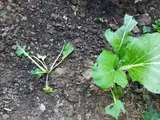
Bok choy

Brassica rapa (Chinensis Group)

Full sun to part shade 11¾ in–1 ft 5¾ in × 5⅞ in–11¾ in Sow March–August Moderate care

In short a 10-second read

SunFull sun to part shade
Size11¾ in–1 ft 5¾ in
spacing 9¾ in
PlantingMay–August
Care levelModerate care

Where to plant and how much to water

Sun, soil and water.

It grows best in full sun to part shade, in average to moist soil.

Sun

Sun6 hours or more
Part shade3–6 hours
Shadeunder 3 h

Soil

acidic to neutral soil
acidicneutralalkaline
average to moistclayloamyhumus-rich

Watering

keep the soil evenly moistonly in dry spellsless when it rains

How much space it takes

Mature size.

The mature plant next to a person (69 in).

19¾ in3 ft 3⅜ in4 ft 11 in11¾ in–1 ft 5¾ inspread 5⅞ in–11¾ in
11¾ in–1 ft 5¾ in× spread 5⅞ in–11¾ in

Plant 9¾ in apart.

How to plant: staggered, 9¾ in apart

The final size depends on the cultivar and the spot — we give the range from smallest to largest.

Calendar

Through the year.

Typical for a temperate climate (four seasons). The line shows the current month.

The year at a glance

Sowing: JanuarySowing: FebruarySowing: MarchSowing: AprilSowing: MaySowing: JuneSowing: JulySowing: AugustSowing: SeptemberSowing: OctoberSowing: NovemberSowing: DecemberPlanting: JanuaryPlanting: FebruaryPlanting: MarchPlanting: AprilPlanting: MayPlanting: JunePlanting: JulyPlanting: AugustPlanting: SeptemberPlanting: OctoberPlanting: NovemberPlanting: DecemberCheck: JanuaryCheck: FebruaryCheck: MarchCheck: AprilCheck: MayCheck: JuneCheck: JulyCheck: AugustCheck: SeptemberCheck: OctoberCheck: NovemberCheck: DecemberJanFebMarAprMayJunJulAugSepOctNovDec
SowingPlantingCheck
Now, in October: nothing to do — the next job is in March. · Check – Regularly check the undersides of brassica leaves, pick off eggs and caterpillars; consider mesh. · watch for cabbage caterpillars (cabbage white butterflies, cabbage moth, diamond-back moth).
JanFebMarAprMayJunJulAugSepOctNovDec

Sowing

JanFebMarAprMayJunJulAugSepOctNovDec

sow indoors: March–May; direct sowing: May–August

Planting

JanFebMarAprMayJunJulAugSepOctNovDec

transplant outdoors: May–August

Check

JanFebMarAprMayJunJulAugSepOctNovDec

May–October: Regularly check the undersides of brassica leaves, pick off eggs and caterpillars; consider mesh.

Pests and diseases

Common problems and what to do.

The most common problems in Central Europe. Protection is listed from the gentlest option.

High riskMedium riskLow riskRisk for this plant according to the source · no label = no documented level

Club root

Plasmodiophora brassicae
High riskdisease
More about this problem

What you will see

Thickened and distorted roots; plants lag behind and wilt.

The source says: in brassicas it causes swollen roots and severely stunted growth.

When to look

Midsummer to late fall

How to protect

  1. Prevention
    • Buy plants only from a source guaranteed free of clubroot; be careful even with plants from friends.
    • Do not carry soil on tools, wheelbarrows and footwear.
    • On acid soil, lime (1.64 oz/sq ft, then 0.88 oz/sq ft in following years) and improve drainage; this reduces the disease but does not rule it out.
    • Grow young plants on for longer in healthy soil (pots at least 3½ in) and plant them out larger; consider varieties with partial resistance.
  2. By hand as soon as it appearsDig up affected plants, roots included, and dispose of them (do not compost). There is no chemical product for gardeners against clubroot.
Club rootdisease · midsummer to late fallHigh risk

What you will see

Thickened and distorted roots; plants lag behind and wilt.

The source says: in brassicas it causes swollen roots and severely stunted growth.

When to look

Midsummer to late fall

How to protect

  1. Prevention
    • Buy plants only from a source guaranteed free of clubroot; be careful even with plants from friends.
    • Do not carry soil on tools, wheelbarrows and footwear.
    • On acid soil, lime (1.64 oz/sq ft, then 0.88 oz/sq ft in following years) and improve drainage; this reduces the disease but does not rule it out.
    • Grow young plants on for longer in healthy soil (pots at least 3½ in) and plant them out larger; consider varieties with partial resistance.
  2. By hand as soon as it appearsDig up affected plants, roots included, and dispose of them (do not compost). There is no chemical product for gardeners against clubroot.
More about this problem

What you will see

Holes in leaves and caterpillars on them.

When to look

JanFebMarAprMayJunJulAugSepOctNovDec
May–October

How to protect

  1. Prevention
    • Cover brassicas with mesh that does not touch the leaves (otherwise butterflies lay eggs through the mesh).
    • Tolerate some caterpillars: they are food for birds and parasitic wasps.
  2. By hand every week from springRegularly pick pale yellow butterfly eggs, round white moth eggs and caterpillars off the leaves.
  3. Biological when caterpillars are presentA mixture of pathogenic nematodes sprayed onto the leaves, ideally in cool, damp weather.
  4. Chemical — only when nothing else helps according to the product labelLast resort only: a product authorized in your country against caterpillars on brassicas. Try non-chemical methods first.
Cabbage caterpillars (cabbage white butterflies, cabbage moth, diamond-back moth)pest · May–October

What you will see

Holes in leaves and caterpillars on them.

When to look

JanFebMarAprMayJunJulAugSepOctNovDec
May–October

How to protect

  1. Prevention
    • Cover brassicas with mesh that does not touch the leaves (otherwise butterflies lay eggs through the mesh).
    • Tolerate some caterpillars: they are food for birds and parasitic wasps.
  2. By hand every week from springRegularly pick pale yellow butterfly eggs, round white moth eggs and caterpillars off the leaves.
  3. Biological when caterpillars are presentA mixture of pathogenic nematodes sprayed onto the leaves, ideally in cool, damp weather.
  4. Chemical — only when nothing else helps according to the product labelLast resort only: a product authorized in your country against caterpillars on brassicas. Try non-chemical methods first.
More about this problem

What you will see

Small round holes in leaves, mainly on seedlings; tiny beetles jump away when you touch the plant.

When to look

Spring and summer

How to protect

  1. Prevention
    • Cover seedlings and young plants with fine mesh.
  2. By hand from sowingCover brassica seedlings with fine mesh.
Flea beetles (Phyllotreta, Psylliodes)pest · spring and summer

What you will see

Small round holes in leaves, mainly on seedlings; tiny beetles jump away when you touch the plant.

When to look

Spring and summer

How to protect

  1. Prevention
    • Cover seedlings and young plants with fine mesh.
  2. By hand from sowingCover brassica seedlings with fine mesh.
More about this problem

What you will see

Irregular holes in soft leaves and young shoots and slime trails; they feed at night.

How to protect

  1. Prevention
    • Plant sturdy potted plants, not delicate young seedlings.
    • Water in the morning, not the evening (evening watering helps them move around).
    • Encourage their natural enemies: birds, hedgehogs, toads, ground beetles.
  2. By hand evening, after rainPick them off by hand on damp evenings and take them far away. Traps: hollowed-out citrus halves placed cut side down, or sunken containers of beer; check in the morning.
  3. Biological when the soil is warm and moistSlug-specific nematodes (from a biological control supplier) are watered into the soil.
  4. Chemical — only when nothing else helps according to the product labelLast resort only: a product authorized in your country against slugs and snails. Try non-chemical methods first.
Slugs and snailspest

What you will see

Irregular holes in soft leaves and young shoots and slime trails; they feed at night.

How to protect

  1. Prevention
    • Plant sturdy potted plants, not delicate young seedlings.
    • Water in the morning, not the evening (evening watering helps them move around).
    • Encourage their natural enemies: birds, hedgehogs, toads, ground beetles.
  2. By hand evening, after rainPick them off by hand on damp evenings and take them far away. Traps: hollowed-out citrus halves placed cut side down, or sunken containers of beer; check in the morning.
  3. Biological when the soil is warm and moistSlug-specific nematodes (from a biological control supplier) are watered into the soil.
  4. Chemical — only when nothing else helps according to the product labelLast resort only: a product authorized in your country against slugs and snails. Try non-chemical methods first.
More about this problem

What you will see

Torn leaves, often only the stalks are left; brassicas are among the worst affected.

When to look

Early summer, when brassicas are developing

How to protect

  1. Prevention
    • The only sure protection is to grow under netting or in a cage; scarers and repellents protect only briefly at best.
  2. By hand after plantingStretch netting over the crop (keep it taut and free of holes so birds do not get caught) or use a cage.
Pigeons (wood pigeon, feral pigeon)pest · early summer, when brassicas are developing

What you will see

Torn leaves, often only the stalks are left; brassicas are among the worst affected.

When to look

Early summer, when brassicas are developing

How to protect

  1. Prevention
    • The only sure protection is to grow under netting or in a cage; scarers and repellents protect only briefly at best.
  2. By hand after plantingStretch netting over the crop (keep it taut and free of holes so birds do not get caught) or use a cage.
More about this problem

What you will see

Colonies of tiny insects on young shoots and under leaves, stunted and distorted growth, sticky honeydew and black sooty mold on it.

When to look

Spring and summer

How to protect

  1. Prevention
    • Tolerate a small number: aphids are food for beneficial insects.
    • Check plants often so you can act in time.
    • Encourage ladybirds, hoverflies, lacewings and parasitic wasps.
  2. By hand as soon as you spot themSquash colonies with your fingers or remove affected shoot tips.
  3. Biological before a heavy infestationIn a greenhouse you can buy in hoverfly larvae, lacewings and parasitic wasps.
  4. Chemical — only when nothing else helps according to the product labelLast resort only: a product authorized in your country against aphids. Try non-chemical methods first.
Aphidspest · spring and summer

What you will see

Colonies of tiny insects on young shoots and under leaves, stunted and distorted growth, sticky honeydew and black sooty mold on it.

When to look

Spring and summer

How to protect

  1. Prevention
    • Tolerate a small number: aphids are food for beneficial insects.
    • Check plants often so you can act in time.
    • Encourage ladybirds, hoverflies, lacewings and parasitic wasps.
  2. By hand as soon as you spot themSquash colonies with your fingers or remove affected shoot tips.
  3. Biological before a heavy infestationIn a greenhouse you can buy in hoverfly larvae, lacewings and parasitic wasps.
  4. Chemical — only when nothing else helps according to the product labelLast resort only: a product authorized in your country against aphids. Try non-chemical methods first.
More about this problem
Sources (8)

Frequently asked

Quick answers.

When do I sow bok choy?

In March–August (sow indoors, direct sowing).

Does bok choy tolerate shade?

It tolerates part shade (3–6 hours of sun), but not full shade.

How much space does bok choy need?

At maturity 5⅞ in–11¾ in wide and 11¾ in–1 ft 5¾ in tall; recommended spacing 9¾ in.

Club root — what can you do?

Buy plants only from a source guaranteed free of clubroot; be careful even with plants from friends. Dig up affected plants, roots included, and dispose of them (do not compost). There is no chemical product for gardeners against clubroot.

Cabbage caterpillars (cabbage white butterflies, cabbage moth, diamond-back moth) — what can you do?

Cover brassicas with mesh that does not touch the leaves (otherwise butterflies lay eggs through the mesh). Regularly pick pale yellow butterfly eggs, round white moth eggs and caterpillars off the leaves.

Sources (6) Checked 27 October 2026

Similar plants

Have a look at these too.

Napa cabbage

Brassica rapa subsp. pekinensis

9⅞ in–1 ft 5¾ in × 9⅞ in–1 ft 3¾ in
Demandingvegetable

turnip

Brassica rapa subsp. rapa

11¾ in–1 ft 5¾ in × 5⅞ in–11¾ in
Moderate carevegetable

rutabaga

Brassica napus var. napobrassica

11¾ in–1 ft 11⅝ in × 7⅞ in–11¾ in
Moderate carevegetable

cabbage

Brassica oleracea var. capitata

9⅞ in–1 ft 11⅝ in × 11¾ in–1 ft 11⅝ in
Moderate carevegetable
Design a bed with this plant in Studio