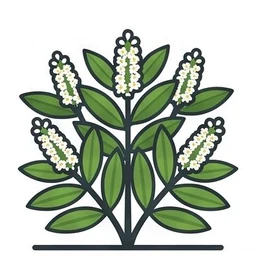
Shrub · Rosaceae family

Fraser photinia

Photinia × fraseri

Full sun to part shade in a garden 2.5–4 m × 2–3 m Flowers April–May to −18 °C
Flower colours Click a colour

In short a 10-second read

SunFull sun to part shade
in a garden after 10 years2.5–4 m
in the wild up to 6.1 m
spacing 3 m
FlowersApril–May
PlantingMarch–May, September–October
WinterShelter from wind

Where to plant and how much to water

Sun, soil and water.

It grows best in full sun to part shade, in average soil.

Sun

Sun6 hours or more
Part shade3–6 hours
Shadeunder 3 h

Soil

acidic to neutral soil
acidicneutralalkaline
averageclayloamysandy

Watering

regularly until establishedat the base, not on the leavesdrought tolerant once establishedless when it rains

Frost

−18 °C
shelter from windgreen in winter too

How much space it takes

Mature size.

The mature plant next to a person (175 cm).

1 m2 m3 m4 m5 m6 m3.1–6.1 mspread 3.1–4.6 m
3.1–6.1 m× spread 3.1–4.6 m

Plant 3 m apart.

Reaches maturity in about 10–20 years. The final size depends on the cultivar and the spot — we give the range from smallest to largest.

Calendar

Through the year.

Months for Central Europe. The line shows the current month.

The year at a glance

Flowers: JanuaryFlowers: FebruaryFlowers: MarchFlowers: AprilFlowers: MayFlowers: JuneFlowers: JulyFlowers: AugustFlowers: SeptemberFlowers: OctoberFlowers: NovemberFlowers: DecemberPlanting: JanuaryPlanting: FebruaryPlanting: MarchPlanting: AprilPlanting: MayPlanting: JunePlanting: JulyPlanting: AugustPlanting: SeptemberPlanting: OctoberPlanting: NovemberPlanting: DecemberFeeding: JanuaryFeeding: FebruaryFeeding: MarchFeeding: AprilFeeding: MayFeeding: JuneFeeding: JulyFeeding: AugustFeeding: SeptemberFeeding: OctoberFeeding: NovemberFeeding: DecemberJanFebMarAprMayJunJulAugSepOctNovDec
FlowersPlantingFeeding
Now, in October: a good time for planting (container plant).
JanFebMarAprMayJunJulAugSepOctNovDec

Flowers

JanFebMarAprMayJunJulAugSepOctNovDec

April–May · white

Planting

JanFebMarAprMayJunJulAugSepOctNovDec

container plant: March–May, September–October

Feeding

JanFebMarAprMayJunJulAugSepOctNovDec

March–May

What to plant now (October) full list in October (244) →

Feeding

Nutrition.

Light
balanced fertiliser
JanFebMarAprMayJunJulAugSepOctNovDec

Pests and diseases

Common problems and what to do.

The most common problems in Central Europe. Protection is listed from the gentlest option.

High riskMedium riskLow riskRisk for this plant according to the source · no label = no documented level
Honey fungus

Honey fungus

Armillaria
High riskdisease
More about this problem

What you will see

Rotting roots, white mycelium under the bark, black bootlaces (rhizomorphs) in the soil, sudden death; mushrooms in autumn.

The source says: it is among the plants particularly susceptible to honey fungus.

When to look

Summer – autumn

How to protect

  1. Prevention
    • Choose species that honey fungus rarely attacks (e.g. Vaccinium).
  2. By handA deep barrier (45 cm) of rubber sheeting in the soil blocks the bootlaces; regular deep cultivation breaks them.
Honey fungusdisease · summer – autumnHigh risk

What you will see

Rotting roots, white mycelium under the bark, black bootlaces (rhizomorphs) in the soil, sudden death; mushrooms in autumn.

The source says: it is among the plants particularly susceptible to honey fungus.

When to look

Summer – autumn

How to protect

  1. Prevention
    • Choose species that honey fungus rarely attacks (e.g. Vaccinium).
  2. By handA deep barrier (45 cm) of rubber sheeting in the soil blocks the bootlaces; regular deep cultivation breaks them.
More about this problem

What you will see

White powdery coating on leaves, stems and flowers.

The source says: it is among the plants most often affected.

When to look

From spring, especially later in the season

How to protect

  1. Prevention
    • Water regularly and do not let plants suffer from drought; mulch (leave the area by the stem clear).
    • Improve airflow around plants.
    • Grow varieties with partial resistance, if available.
  2. By hand as soon as it appearsRemove affected leaves early; dispose of fallen affected leaves in autumn.
Powdery mildewsdisease · from spring, especially later in the seasonMedium risk

What you will see

White powdery coating on leaves, stems and flowers.

The source says: it is among the plants most often affected.

When to look

From spring, especially later in the season

How to protect

  1. Prevention
    • Water regularly and do not let plants suffer from drought; mulch (leave the area by the stem clear).
    • Improve airflow around plants.
    • Grow varieties with partial resistance, if available.
  2. By hand as soon as it appearsRemove affected leaves early; dispose of fallen affected leaves in autumn.
More about this problem

What you will see

Brown to black spots on leaves; leaves turn yellow early.

The source says: it is susceptible to this leaf spot, which can even defoliate it.

How to protect

  1. Prevention
    • Remove old leaves before they infect the new season.
    • Do not wet the leaves when watering; keep the plant unstressed.
  2. By hand after the first spots; in autumnRemove affected leaves at once and destroy them; collect fallen leaves in autumn.
Leaf spotsdiseaseMedium risk

What you will see

Brown to black spots on leaves; leaves turn yellow early.

The source says: it is susceptible to this leaf spot, which can even defoliate it.

How to protect

  1. Prevention
    • Remove old leaves before they infect the new season.
    • Do not wet the leaves when watering; keep the plant unstressed.
  2. By hand after the first spots; in autumnRemove affected leaves at once and destroy them; collect fallen leaves in autumn.
More about this problem
Vine weevil

Vine weevil

Otiorhynchus sulcatus
pest
More about this problem

What you will see

Notched leaf edges.

How to protect

  1. Prevention
    • regularly check for notched leaf edges (thick evergreen leaves)
    • when repotting, remove larvae from the roots
  2. By hand spring – summer, after darkcollect adult beetles in the evening in warm weather with a torch, or by shaking the shrub over paper; leaf damage by adults usually does not harm the plant
  3. Biological August to early Septemberentomopathogenic nematodes against the larvae: Steinernema at 5–20 °C, Heterorhabditis at 12–20 °C; they work poorly in dry or heavy soil
Vine weevilpest

What you will see

Notched leaf edges.

How to protect

  1. Prevention
    • regularly check for notched leaf edges (thick evergreen leaves)
    • when repotting, remove larvae from the roots
  2. By hand spring – summer, after darkcollect adult beetles in the evening in warm weather with a torch, or by shaking the shrub over paper; leaf damage by adults usually does not harm the plant
  3. Biological August to early Septemberentomopathogenic nematodes against the larvae: Steinernema at 5–20 °C, Heterorhabditis at 12–20 °C; they work poorly in dry or heavy soil
More about this problem

Fire blight

Erwinia amylovora
disease
More about this problem

What you will see

Wilting and black-brown discolouration of blossom and shoots, hooked (shepherd's crook) shoot tip, amber drops of slime in damp warmth.

How to protect

  1. Prevention
    • Remove late secondary blossom before it opens.
  2. By handQuickly cut out and burn infections: 30 cm into healthy wood on smaller branches, 60 cm on larger ones; disinfect tools between cuts (in general for pome fruit).
Fire blightdisease

What you will see

Wilting and black-brown discolouration of blossom and shoots, hooked (shepherd's crook) shoot tip, amber drops of slime in damp warmth.

How to protect

  1. Prevention
    • Remove late secondary blossom before it opens.
  2. By handQuickly cut out and burn infections: 30 cm into healthy wood on smaller branches, 60 cm on larger ones; disinfect tools between cuts (in general for pome fruit).
More about this problem
Sources (8)

Frequently asked

Quick answers.

When does Fraser photinia flower?

In April–May; the flowers are white.

Does Fraser photinia tolerate shade?

It tolerates part shade (3–6 hours of sun), but not full shade.

How much space does Fraser photinia need?

At maturity 3.1–4.6 m wide and 3.1–6.1 m tall; recommended spacing 3 m.

Vine weevil — what can you do?

regularly check for notched leaf edges (thick evergreen leaves) collect adult beetles in the evening in warm weather with a torch, or by shaking the shrub over paper; leaf damage by adults usually does not harm the plant

Fire blight — what can you do?

Remove late secondary blossom before it opens. Quickly cut out and burn infections: 30 cm into healthy wood on smaller branches, 60 cm on larger ones; disinfect tools between cuts (in general for pome fruit).

Sources (10) Checked 24 October 2026

Similar plants

Have a look at these too.

Plan this plant in your garden in Studio