Shrub · Rosaceae family

Blackberry

Rubus fruticosus agg.

Full sun to part shade in a garden 1.2–1.8 m × 2–4 m Flowers June–August Harvest July–September to −23 °C
Flower colours Click a colour

In short a 10-second read

SunFull sun to part shade
in a garden after 10 years1.2–1.8 m
in the wild up to 2.5 m
spacing 2.5 m
FlowersJune–August
PlantingMarch–May, September–November
WinterNo winter protection

Where to plant and how much to water

Sun, soil and water.

It grows best in full sun to part shade, in average to moist soil.

Sun

Sun6 hours or more
Part shade3–6 hours
Shadeunder 3 h

Soil

tolerates any pH
acidicneutralalkaline
average to moistclayloamysandy

Watering

regularly until establishedonly in dry spellsless when it rains

Frost

−23 °C
no winter protectionleafless in winter

How much space it takes

Mature size.

The mature plant next to a person (175 cm).

1 m2 m1.5–2.5 mspread 2.5–4 m
1.5–2.5 m× spread 2.5–4 m

Plant 2.5 m apart.

Reaches maturity in about 5–10 years. The final size depends on the cultivar and the spot — we give the range from smallest to largest.

Calendar

Through the year.

Months for Central Europe. The line shows the current month.

The year at a glance

Flowers: JanuaryFlowers: FebruaryFlowers: MarchFlowers: AprilFlowers: MayFlowers: JuneFlowers: JulyFlowers: AugustFlowers: SeptemberFlowers: OctoberFlowers: NovemberFlowers: DecemberPlanting: JanuaryPlanting: FebruaryPlanting: MarchPlanting: AprilPlanting: MayPlanting: JunePlanting: JulyPlanting: AugustPlanting: SeptemberPlanting: OctoberPlanting: NovemberPlanting: DecemberFeeding: JanuaryFeeding: FebruaryFeeding: MarchFeeding: AprilFeeding: MayFeeding: JuneFeeding: JulyFeeding: AugustFeeding: SeptemberFeeding: OctoberFeeding: NovemberFeeding: DecemberHarvest: JanuaryHarvest: FebruaryHarvest: MarchHarvest: AprilHarvest: MayHarvest: JuneHarvest: JulyHarvest: AugustHarvest: SeptemberHarvest: OctoberHarvest: NovemberHarvest: DecemberJanFebMarAprMayJunJulAugSepOctNovDec
FlowersPlantingFeedingHarvest
Now, in October: a good time for planting (bare-root, container plant).
JanFebMarAprMayJunJulAugSepOctNovDec

Flowers

JanFebMarAprMayJunJulAugSepOctNovDec

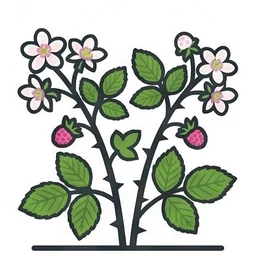
June–August · pink or white

Planting

JanFebMarAprMayJunJulAugSepOctNovDec

bare-root: March, October–November; container plant: March–May, September–November

Feeding

JanFebMarAprMayJunJulAugSepOctNovDec

March–April

Harvest

JanFebMarAprMayJunJulAugSepOctNovDec

July–September

What to plant now (October) full list in October (244) →

Feeding

Nutrition.

Light
compost or mulchbalanced fertiliser
JanFebMarAprMayJunJulAugSepOctNovDec

Pests and diseases

Common problems and what to do.

The most common problems in Central Europe. Protection is listed from the gentlest option.

High riskMedium riskLow riskRisk for this plant according to the source · no label = no documented level

Grey mould

Botrytis cinerea
Medium riskdisease
More about this problem

What you will see

Fuzzy grey-brown mould on dying buds, leaves, flowers and fruit.

The source says: grey mould is common on this plant.

How to protect

  1. Prevention
    • Reduce humidity, improve airflow and do not plant too densely.
  2. By handQuickly remove dead and affected parts (carefully, as spores spread easily), ideally into a bag.
Grey moulddiseaseMedium risk

What you will see

Fuzzy grey-brown mould on dying buds, leaves, flowers and fruit.

The source says: grey mould is common on this plant.

How to protect

  1. Prevention
    • Reduce humidity, improve airflow and do not plant too densely.
  2. By handQuickly remove dead and affected parts (carefully, as spores spread easily), ideally into a bag.
More about this problem

Raspberry beetle

Medium riskpest

What you will see

Ripe fruits have greyish-brown dried-up patches at the stalk end; a brownish-white grub may be found inside.

The source says: the grubs can damage raspberry and blackberry fruit.

When to look

JanFebMarAprMayJunJulAugSepOctNovDec
June–August

How to protect

  1. Prevention
    • Tolerate some damage – often only a small part of the crop is affected; later-ripening fruits tend to be less affected.
    • Encourage natural enemies: birds, hedgehogs and ground beetles.
  2. By handA water trap with a host-plant attractant (kairomone) catches both male and female beetles and may reduce their numbers.
Raspberry beetlepest · June–AugustMedium risk

What you will see

Ripe fruits have greyish-brown dried-up patches at the stalk end; a brownish-white grub may be found inside.

The source says: the grubs can damage raspberry and blackberry fruit.

When to look

JanFebMarAprMayJunJulAugSepOctNovDec
June–August

How to protect

  1. Prevention
    • Tolerate some damage – often only a small part of the crop is affected; later-ripening fruits tend to be less affected.
    • Encourage natural enemies: birds, hedgehogs and ground beetles.
  2. By handA water trap with a host-plant attractant (kairomone) catches both male and female beetles and may reduce their numbers.

What you will see

The plant wilts, white mycelium under the bark of the crown.

How to protect

  1. Prevention
    • Remove stumps and dead roots from the surroundings.
  2. By hand once noticedRemove the affected plant and roots.
Honey fungusdisease

What you will see

The plant wilts, white mycelium under the bark of the crown.

How to protect

  1. Prevention
    • Remove stumps and dead roots from the surroundings.
  2. By hand once noticedRemove the affected plant and roots.
More about this problem

What you will see

Curled leaves and reduced vigour of shoots; aphids can transmit viruses.

When to look

Spring – early summer

How to protect

  1. Prevention
    • Tolerate colonies while they are small – they are part of a healthy garden and food for predators.
    • Check the canes often from spring so you can act in time.
  2. By handSquash colonies between finger and thumb where practical.
  3. BiologicalEncourage predators: ladybirds, ground beetles, hoverflies, parasitoid wasps and earwigs.
Aphidspest · spring – early summer

What you will see

Curled leaves and reduced vigour of shoots; aphids can transmit viruses.

When to look

Spring – early summer

How to protect

  1. Prevention
    • Tolerate colonies while they are small – they are part of a healthy garden and food for predators.
    • Check the canes often from spring so you can act in time.
  2. By handSquash colonies between finger and thumb where practical.
  3. BiologicalEncourage predators: ladybirds, ground beetles, hoverflies, parasitoid wasps and earwigs.
More about this problem
Sources (6)

Frequently asked

Quick answers.

When does blackberry flower?

In June–August; the flowers are pink or white.

When is blackberry harvested?

In July–September.

Does blackberry tolerate shade?

It tolerates part shade (3–6 hours of sun), but not full shade.

How much space does blackberry need?

At maturity 2.5–4 m wide and 1.5–2.5 m tall; recommended spacing 2.5 m.

Grey mould — what can you do?

Reduce humidity, improve airflow and do not plant too densely. Quickly remove dead and affected parts (carefully, as spores spread easily), ideally into a bag.
Honey fungus — what can you do?

Remove stumps and dead roots from the surroundings. Remove the affected plant and roots.

Sources (10) Checked 24 October 2026

Similar plants

Have a look at these too.

Plan this plant in your garden in Studio