In short
Autumn is the ideal season to plant perennials in raised beds, allowing roots to establish before winter and ensuring robust spring growth. Raised beds offer superior drainage and soil control, while GridGarden's modular system and 3D configurator make designing a custom, low-maintenance flower bed simple and efficient.
Why Plant Perennials in Raised Beds This Autumn?
Autumn is an excellent time for planting perennials, and combining this with the advantages of a raised bed creates an optimal environment for your flower garden. As temperatures cool and the soil remains warm from summer, newly planted perennials can focus their energy on developing strong root systems rather than supporting extensive top growth. This significantly reduces transplant shock and prepares them for vigorous growth come spring, often resulting in earlier and more abundant blooms. For gardeners across Central Europe, the autumn months offer stable conditions, typically with sufficient rainfall, which is perfect for new plantings. Raised beds offer several distinct benefits for perennial planting in autumn. They provide superior drainage, which is crucial for many perennials, especially those susceptible to root rot during wet winter months. The contained environment of a raised bed also allows for precise control over soil composition, enabling you to create the ideal, nutrient-rich medium for your chosen plants. Furthermore, the soil in a raised bed often warms up faster in spring and retains heat longer into autumn, extending the growing season and providing a more stable temperature for root development. This combination of autumn's natural benefits and the structural advantages of a raised bed sets your perennial flower bed up for long-term success with minimal fuss.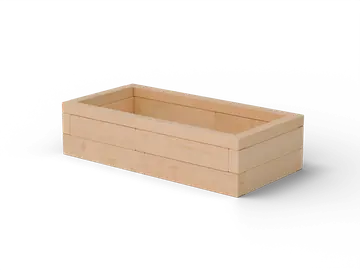
Looking for a ready-made raised bed? See the I-shape raised bed — sizes and current prices are on the product page — or browse all Brick Premium raised beds.
How Do Raised Beds Benefit Perennial Flower Beds?
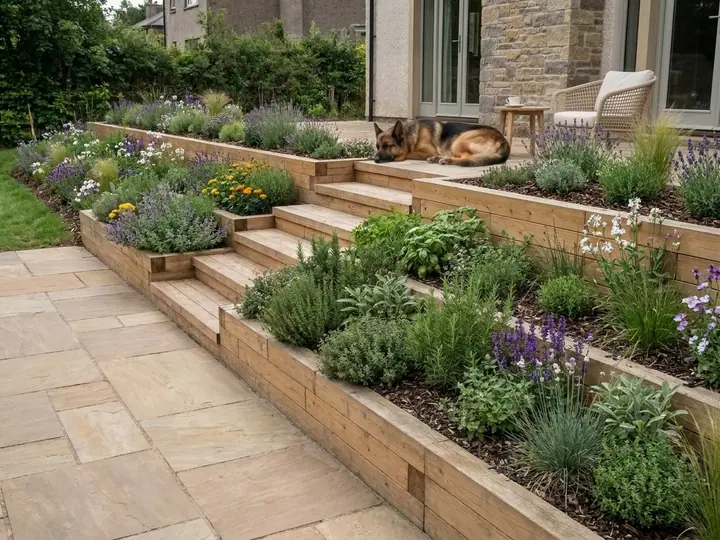
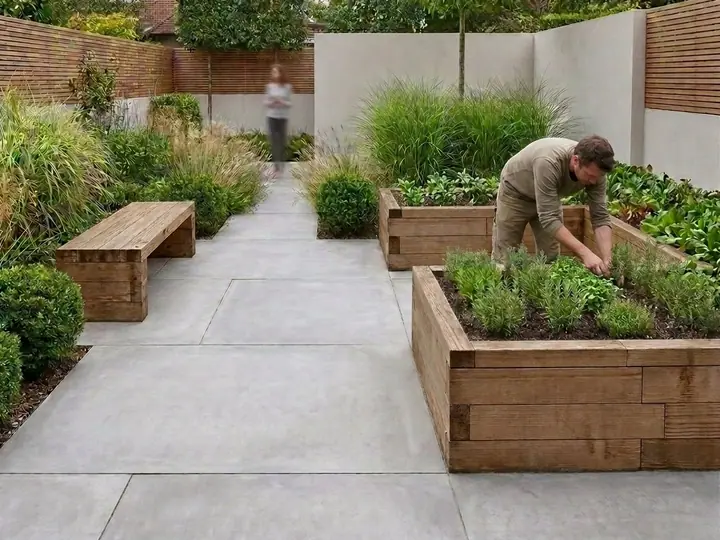
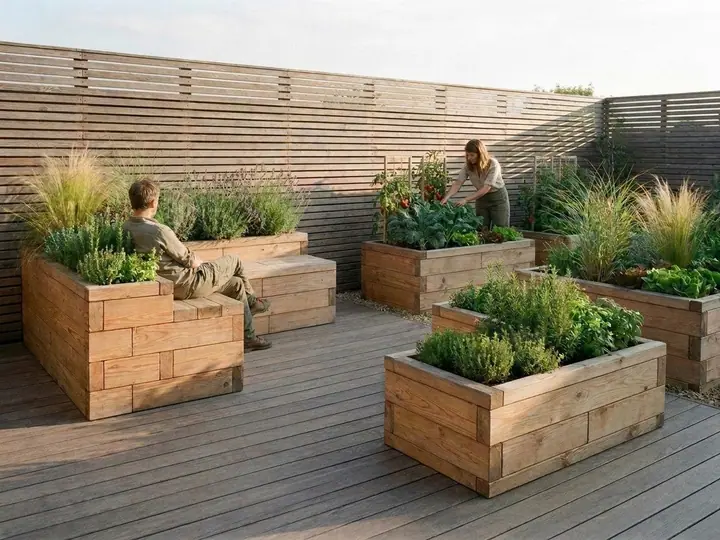
Raised beds provide optimal conditions for perennial health and garden aesthetics, offering a controlled environment that significantly enhances growth and simplifies maintenance. The primary advantage lies in their ability to ensure excellent drainage. Unlike in-ground beds, where compacted native soil can lead to waterlogging, raised beds allow excess water to drain freely, preventing root rot – a common issue for many perennials, particularly in the wetter periods of Central European autumns and winters. This improved aeration also promotes healthier root development and nutrient uptake. Beyond drainage, raised beds give you complete control over your soil. You can customize the soil mix to perfectly suit the specific pH and nutrient requirements of your chosen perennials, ensuring they receive the best possible start. For example, some acid-loving perennials will thrive in a mix tailored to their needs, which might be difficult to achieve in existing garden soil. This tailored approach leads to stronger, healthier plants and more vibrant blooms. Weed control is another significant benefit. By creating a distinct planting area and filling it with a high-quality soil mix, you naturally reduce the influx of weed seeds from surrounding areas. This means less time spent weeding and more time enjoying your beautiful perennial display. The elevated nature of the bed also makes gardening more ergonomic, reducing strain on your back and knees when planting, weeding, or deadheading. Aesthetically, raised beds add structure and definition to your garden. GridGarden's modular Brick Premium system, made from solid 60 mm European red larch, allows you to design beds in various shapes – from simple rectangles to elegant L-shapes, U-shapes, or even complex custom configurations. This flexibility transforms your garden into a series of distinct, visually appealing zones, highlighting your perennial plantings and creating a polished, intentional look. The substantial 60 mm planks not only provide robust structure but also offer excellent insulation, protecting perennial roots from extreme temperature fluctuations.What Perennials Thrive in Central European Raised Beds?
Many hardy perennials are well-suited for raised beds in Central Europe, especially those varieties adapted to local climate zones, thriving in conditions that offer good drainage and consistent moisture. When selecting perennials for your raised bed, consider their mature size, light requirements (full sun, partial shade), moisture needs, and bloom time to ensure a continuous display of color and interest from spring through autumn. Focusing on pollinator-friendly perennials is a wonderful way to support local ecosystems. Many common and beautiful perennials attract bees, butterflies, and other beneficial insects. Think about plants that offer a variety of flower shapes and colors to appeal to different pollinators. For a low-maintenance perennial flower bed, consider a mix of:- Early Bloomers: These provide the first burst of color in spring, welcoming pollinators as they emerge.
- Mid-Season Performers: The backbone of your display, offering sustained color through late spring and summer.
- Late-Season Stars: Crucial for extending interest into autumn and providing late-season nectar sources for migrating insects.
- Foliage Plants: Don't underestimate the power of interesting leaves! Many perennials offer beautiful textures and colors through their foliage, providing structure even when not in bloom.
- Groundcovers: Low-growing perennials can fill gaps, suppress weeds, and spill attractively over the edges of your raised bed.
How Do You Design a Perennial Raised Bed Layout?
Thoughtful design considers plant height, spread, color, and texture for year-round interest, creating a harmonious and visually appealing perennial flower bed. Designing a perennial garden in a raised bed is an exciting process that allows for creativity and precision, especially when utilizing tools like GridGarden Studio. Start by defining the shape and size of your raised bed. GridGarden's modular system allows for rectangular, L-shape, U-shape, or even custom configurations, which can be easily visualized and planned using our free 3D configurator at studio.gridgarden.eu. This digital tool helps you experiment with different dimensions and see how the bed will fit into your garden space before you even assemble the first plank. Once your bed's structure is determined, begin planning your plant arrangement. A common principle is to use a "thriller, filler, spiller" approach, though adapted for perennial beds:- Thriller: Taller, dramatic plants placed at the back or center (depending on whether the bed is viewed from one side or all around) to create focal points.
- Filler: Medium-height plants that provide volume and continuous bloom, filling the space around your thrillers.
- Spiller: Low-growing or trailing plants that cascade over the edges of the raised bed, softening the lines and adding a lush, abundant feel.
What's the Best Soil Mix for Autumn Perennial Planting?
A well-draining, nutrient-rich soil mix is crucial for perennial establishment in a raised bed, providing the ideal conditions for root development before winter. Unlike in-ground gardening where you work with existing soil, a raised bed gives you the opportunity to create the perfect growing medium from scratch. This is particularly important for perennials, as they will remain in the same spot for many years, relying on the initial soil quality for their long-term health. The foundation of a good raised bed soil mix often starts with a "lasagna" layering approach, especially for deeper beds. This involves organic materials that decompose over time, providing a slow release of nutrients and improving soil structure.- Bottom Layer (optional): For very deep beds, you might start with a layer of coarse organic material like small branches, twigs, or wood chips. This improves drainage at the very bottom and slowly breaks down.
- Second Layer: A mix of autumn leaves, straw, and unfinished compost. This layer provides a rich source of organic matter as it decomposes.
- Main Growing Layer: This is where your perennials will primarily root. A typical mix combines:
- High-Quality Topsoil: This forms the bulk of your medium, providing essential minerals and a stable structure.
- Compost: Well-rotted compost (from kitchen scraps, garden waste, or purchased) enriches the soil with nutrients, improves drainage, and enhances microbial activity. It's vital for a healthy perennial ecosystem.
- Coarse Sand or Perlite: This is critical for improving drainage and preventing compaction, which is especially important for perennials that dislike "wet feet" during the dormant winter months. Avoid fine play sand, as it can compact easily.
What Are the Steps for Autumn Perennial Planting in a Raised Bed?
Autumn planting involves preparing the bed, carefully placing plants according to your design, and ensuring adequate watering to help them establish before winter. Once you have designed your perennial flower bed using GridGarden Studio and sourced your plants, the physical process of planting in autumn is straightforward and highly rewarding.- Assemble Your Raised Bed: First, assemble your GridGarden Brick Premium raised bed. Our modular system, made from solid 60 mm European red larch, snaps together easily without the need for complex tools. Ensure the bed is placed on a level surface and consider adding a permeable landscaping fabric at the bottom if you're concerned about persistent weeds from below or want to deter burrowing pests, while still allowing for drainage. Solid 60 mm larch, no chemical treatment. Expect 15-25 years in an ordinary garden; with good drainage and no standing water, 25+ years.
- Layer Your Soil Mix: Fill your raised bed with the prepared soil mix, following the layering recommendations discussed previously. Ensure the main growing layer is topped up to within roughly 10-15 cm of the top edge of the bed, allowing space for mulch and preventing soil from washing out. For more detailed instructions on building and filling, see our guide on How to Start a Raised Bed Garden.
- Arrange Plants According to Your Design: Before digging, place your potted perennials on the soil surface within the raised bed, mimicking your GridGarden Studio layout. This allows you to make final adjustments to spacing and arrangement, ensuring each plant has enough room to grow to its mature size and that your aesthetic vision is realized. Consider the viewing angles and how the plants will look as they grow.
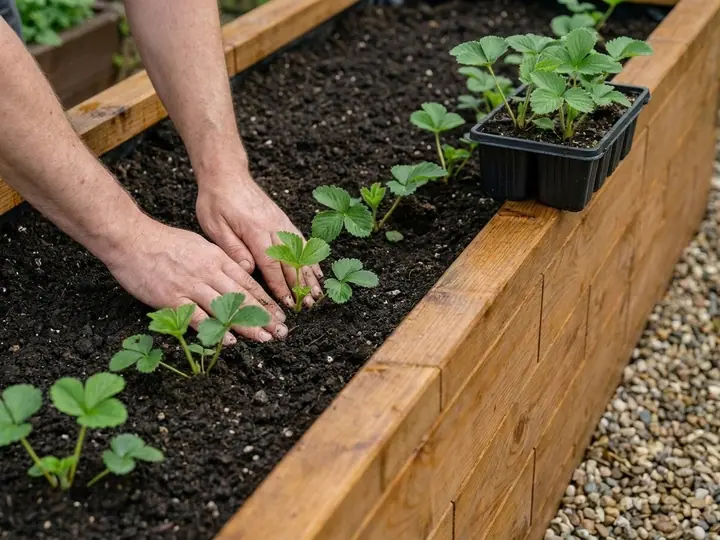
- Planting: Dig a hole for each perennial that is roughly twice as wide as the root ball and just as deep. Carefully remove the perennial from its nursery pot, gently tease apart any circling roots at the bottom, and place it in the hole so that the top of the root ball is level with the surrounding soil surface. Backfill with your prepared soil mix, gently firming it around the base of the plant to remove air pockets.
- Water Thoroughly: After planting, water each perennial deeply and slowly. This helps settle the soil around the roots and provides essential moisture for establishment. Even though autumn often brings rain, newly planted perennials need consistent moisture until the ground freezes. Continue to monitor soil moisture levels and water as needed, especially during dry spells.
- Mulch for Winter Protection: Apply a 5-10 cm layer of organic mulch (such as straw, wood chips, or shredded leaves) around your newly planted perennials. This insulates the soil, helping to maintain a more consistent temperature, suppress weeds, and retain moisture. For autumn plantings, mulch is particularly important for protecting young root systems from the freeze-thaw cycles that can heave plants out of the ground during winter in Central Europe.
How Does GridGarden Studio Help Plan Your Perennial Garden?
GridGarden Studio offers a free 3D configurator to visualize and plan your raised bed designs precisely, making the creation of a stunning perennial flower bed both easy and enjoyable. This powerful online tool is specifically designed to help gardeners, from beginners to seasoned experts, bring their raised bed visions to life with accuracy and creative freedom. With GridGarden Studio, you are not limited to standard rectangular beds. You can effortlessly design custom shapes, including elegant L-shapes, functional U-shapes, or even more complex configurations that perfectly fit the unique contours of your garden space. This flexibility is particularly valuable for perennial beds, as it allows you to create sweeping borders or intricate focal points that truly complement your garden's overall design. You can adjust dimensions down to the centimeter, ensuring your raised bed fits exactly where you want it. The AI Garden Designer feature takes planning a step further. By uploading a photo of your garden, you can see a realistic render of your proposed raised bed design superimposed onto your actual space. This visualization capability is invaluable for perennials, as it allows you to envision how different bed shapes and sizes will integrate with existing landscaping, paths, or structures, helping you make informed decisions about your layout and plant placement. Beyond just shape, the configurator provides accurate material calculations. Once you finalize your design, the system instantly tells you exactly how many 60 mm larch planks and connectors you'll need. This eliminates guesswork, saves time, and helps you budget effectively for your Brick Premium raised bed. You can experiment with different designs and immediately see the associated material requirements. GridGarden Studio encourages experimentation. You can try out various bed heights, step different sections, or combine multiple beds into a larger, cohesive perennial border. This iterative design process, all done virtually and for free, ensures that when you actually build your raised bed, it will perfectly match your vision for a beautiful, low-maintenance perennial garden. It's the ideal starting point for any gardener in Central Europe looking to enhance their outdoor space this autumn.| Feature | DIY Thin-Board Raised Bed | GridGarden Brick Premium Raised Bed |
|---|---|---|
| Material Thickness | Typically thinner planks (e.g., pine) | Solid 60 mm European red larch planks |
| Wood Species | Often pine or other locally sourced softwoods | European red larch (Larix decidua) |
| Durability (untreated) | Shorter-lived, depending on wood and conditions | EN 350 durability class 3-4. Expect 15-25 years in an ordinary garden; with good drainage and no standing water, 25+ years. |
| Assembly System | Often requires screws, nails, tools; can be complex | Modular snap-in connector system; tool-free assembly |
| Available Shapes | Typically rectangular, limited customisation | Rectangular, L-shape, U-shape, and custom configurations via 3D configurator |
| Soil Temperature Stability | Thinner planks offer less insulation, more temperature fluctuation | Solid 60 mm larch provides excellent insulation, stable soil temperatures |
| Planning Tools | Manual sketching, basic measurements | Free 3D configurator (GridGarden Studio) with AI Garden Designer |
Key Takeaways for Your Autumn Perennial Raised Bed:
- Autumn is the optimal season for planting perennials in raised beds, promoting strong root establishment for robust spring growth.
- Raised beds offer superior drainage, customisable soil, and ergonomic benefits, creating an ideal environment for perennial health.
- Plan your perennial layout carefully using GridGarden Studio, considering plant height, spread, and bloom times for continuous interest and pollinator support.
- A well-draining, nutrient-rich soil mix, often layered with organic matter, is essential for long-term perennial success in raised beds.
- GridGarden's modular 60 mm larch raised beds provide exceptional durability and design flexibility, easily planned with the free 3D configurator for a tailored garden solution.
Plan your perennial bed in 3D
Before you plant, try the layout in GridGarden Studio, our free 3D planner, or let the AI Garden Designer work from a photo of your garden.
Before you plant, try the layout in GridGarden Studio, our free 3D planner, or let the AI Garden Designer work from a photo of your garden.
Related: Growing perennials in raised beds (Central Europe guide) · Autumn planting for spring harvest · 3D garden planner: design raised beds online · Best soil mix for raised beds