In short
As the vibrant colours of summer fade, many gardeners might assume the season for bountiful harvests is drawing to a close. However, for those with raised garden beds, autumn presents a remarkable opportunity to extend the growing season, enjoy a fresh supply of vegetables, and prepare for even earlier spring crops. In Central Europe, with its distinct seasonal shifts, understanding how to maximize your raised bed's potential in autumn is key to year-round gardening success. This guide will walk you through planning your autumn harvest, transitioning to cold-hardy winter crops, and leveraging the unique advantages of your GridGarden Brick Premium raised beds.
Autumn offers a second chance for abundant harvests and planting winter crops in your raised beds. Focus on late-season vegetables, enrich your soil, and utilize GridGarden's robust 60mm larch beds for optimal insulation and durability. Strategic planning, succession planting, and proper protection ensure a productive garden through the colder months in Central Europe.
What can you harvest from your raised beds in autumn?
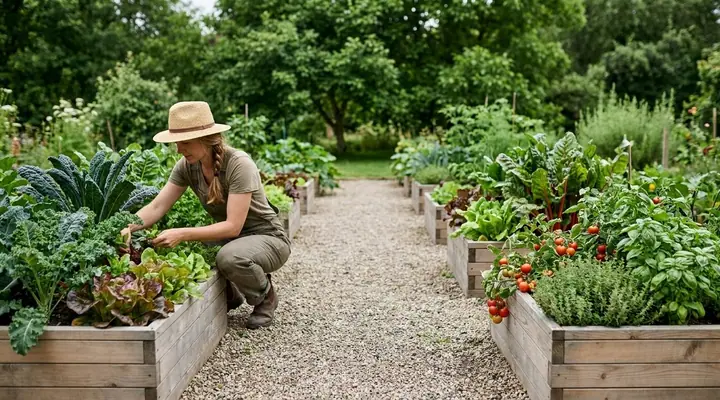
Autumn is surprisingly generous, offering a variety of delicious vegetables that thrive in cooler temperatures, often becoming sweeter after a light frost. Many crops planted in late summer or early autumn will mature into a rewarding harvest as the days shorten. You can typically expect a good yield of root vegetables like carrots, parsnips, and beetroot if sown in mid-to-late summer, as they appreciate the cooler soil for developing their flavour. Leafy greens such as spinach, various types of lettuce (especially butterhead and romaine varieties), and Swiss chard often experience a resurgence in growth once the intense summer heat subsides, providing tender leaves well into autumn. Brassicas like kale and collard greens are particularly well-suited to autumn, with their flavour often improving significantly after the first frosts. Brussels sprouts, while requiring a longer growing season, are a quintessential autumn harvest, often picked after the leaves have fallen from the trees. Even some varieties of radishes and turnip can be sown for a quick autumn crop. Consider planting a second round of peas or bush beans in late summer for a final, refreshing harvest before winter truly sets in. Raised beds, particularly those constructed from solid 60mm larch like GridGarden's Brick Premium, offer superior soil warmth and drainage, which can extend the growing window for these late-season delights, giving you more time to enjoy fresh produce.
Looking for a ready-made raised bed? See the I-shape raised bed — sizes and current prices are on the product page — or browse all Brick Premium raised beds.
How do you prepare raised beds for autumn planting?
Preparing your raised beds for autumn planting is crucial for ensuring a successful late-season harvest and healthy soil for the next year. The process typically involves assessing your soil, replenishing nutrients, and ensuring good drainage. Begin by clearing out any spent summer crops and weeds. This prevents pests and diseases from overwintering and competing with your new plantings. Next, inspect your soil. After a season of growth, nutrients will have been depleted. It is often recommended to amend the top 10-15 cm of soil with fresh organic matter. This could include well-rotted compost, mushroom compost, or aged manure. These additions not only replenish essential nutrients but also improve soil structure, enhancing drainage in heavy soils and increasing water retention in sandy soils. For a deeper dive into optimal soil composition, you might find our article on Best Soil Mix for Raised Beds helpful. If your summer crops showed signs of nutrient deficiencies, a balanced organic fertilizer can be incorporated. Raised beds, especially those with generous soil volume, naturally offer better drainage than in-ground gardens, but ensuring your soil mix remains friable and well-aerated is always beneficial for root health, particularly for root crops that you’ll be planting for autumn.What are the best winter crops for Central European raised beds?
Choosing the right crops is paramount for a successful winter harvest, especially in the varying climates of Central Europe. The key is to select varieties known for their cold hardiness and ability to withstand frost. Many leafy greens are excellent choices. Mâche (corn salad), spinach, and winter lettuce varieties can often tolerate significant cold, especially with some protection. Some gardeners find that kale and collard greens not only survive but actually taste better after a hard frost, as the cold converts starches into sugars. Root vegetables like carrots, parsnips, and leeks can be left in the ground and harvested as needed throughout the winter, provided the soil doesn't freeze solid. Other robust options include certain varieties of cabbage, Brussels sprouts, and perpetual spinach. For those looking to get a head start on spring, garlic and some onion sets are typically planted in autumn, overwintering in the raised bed and ready for harvest next summer. The elevated nature of raised beds, particularly the thick 60mm larch walls of GridGarden Brick Premium beds, provides a natural advantage by keeping the soil slightly warmer than the surrounding ground, which can be critical for these cold-tolerant but still vulnerable plants. To explore more planting ideas, refer to our guide on What to Plant in Raised Beds.How does succession planting work for an extended autumn harvest?
Succession planting is a highly effective technique to maximize your raised bed's productivity, allowing you to harvest continuously throughout autumn and even into winter. It involves planting smaller batches of crops at staggered intervals rather than planting everything at once. For autumn, this means sowing quick-growing crops like radishes, spinach, and certain lettuce varieties every two to three weeks until the first hard frosts are anticipated. As one crop is harvested, the space is immediately prepared and replanted with another, ensuring a steady supply of fresh produce. This strategy is particularly effective in raised beds, where you have precise control over soil conditions and can easily access different sections. For crops with a longer maturation period, like carrots or beetroot, you might plant them in two or three successions in mid-to-late summer, ensuring you have mature roots available over a longer period in autumn. By carefully planning your planting schedule and understanding the typical "days to maturity" for each variety, you can keep your GridGarden raised bed producing well into the colder months. This continuous use not only provides more food but also keeps the soil active and healthy.What are the benefits of using a GridGarden Brick Premium raised bed for autumn and winter?
GridGarden Brick Premium raised beds offer distinct advantages that make them ideal for extending your gardening season into autumn and winter, particularly in Central European climates. Their unique design and robust materials contribute significantly to success. Firstly, the solid 60mm thick European red larch planks provide exceptional insulation. This thickness helps to moderate soil temperatures, keeping the soil warmer for longer into autumn and protecting roots from early hard frosts. This extended warmth can prolong the growing season for many crops and provide a more stable environment for overwintering plants. Secondly, the modular snap-in connector system allows for unparalleled flexibility. As your gardening needs change with the seasons, you can easily expand, reconfigure, or even add protective structures to your rectangular, L-shape, or U-shape beds. For example, you can add extra planks to increase height for deeper root crops or to accommodate cold frames. This adaptability is further enhanced by our free 3D configurator, GridGarden Studio, which allows you to design custom configurations perfectly suited to your space and seasonal plans. The inherent durability of larch, which is EN 350 durability class 3-4 untreated, means your beds will withstand the harsh winter elements. Solid 60 mm larch, no chemical treatment. Expect 15-25 years in an ordinary garden; with good drainage and no standing water, 25+ years. This longevity ensures your investment supports many productive autumn and winter growing seasons.How do you protect your autumn and winter crops from the cold?
Even with cold-hardy varieties, providing additional protection can significantly extend your autumn harvest and ensure the survival of winter crops in Central Europe's colder temperatures. There are several effective strategies you can employ. The simplest form of protection is mulching. A thick layer (approximately 10-15 cm) of straw, shredded leaves, or wood chips applied around your plants helps to insulate the soil, preventing it from freezing too deeply and keeping roots warmer. This is especially beneficial for root vegetables you plan to harvest throughout winter. For leafy greens and more tender crops, row covers or cloches are excellent options. These can be made from clear plastic sheeting, horticultural fleece, or even repurposed clear containers. They create a mini-greenhouse effect, trapping warmth during the day and protecting plants from frost and chilling winds at night. For more robust protection, a cold frame built directly onto your raised bed can provide a very effective microclimate. Its transparent lid allows sunlight in while insulating the plants below. The modular nature of GridGarden Brick Premium beds makes it straightforward to add such structures. You can easily adapt the height of your bed or incorporate a simple frame over the top to support protective coverings. Remember to ventilate covers on warmer days to prevent overheating and fungal issues.| Feature | GridGarden Brick Premium (60mm Larch) | Generic DIY Softwood (e.g., 18-40mm) / Competitor Kits |
|---|---|---|
| Material & Thickness | Solid 60mm European red larch planks. Excellent natural insulation. | Typically 18-40mm softwood or pine boards. Less insulating, shorter lifespan. |
| Insulation for Autumn/Winter | Superior thermal mass helps keep soil warmer, extending growing season and protecting roots from frost. | Limited insulation; soil temperatures fluctuate more, increasing frost risk. |
| Modularity & Adaptability | Modular snap-in system for easy expansion, reconfiguration (L, U, custom shapes), and integration of protective covers. | Often fixed designs (rectangles only), difficult to modify or integrate covers seamlessly. |
| Durability & Lifespan | Larch (EN 350 class 3-4 untreated) offers 15-25 years in an ordinary garden, 25+ in ideal conditions. | Softwood/pine typically lasts 5-10 years untreated, requiring more frequent replacement. |
| Ease of Assembly | Simple snap-in connectors, no special tools needed. User-friendly for all skill levels. | Can require drilling, screwing, and more complex joinery; sometimes frustrating. |
Key Takeaways for Autumn Raised Bed Gardening
- Prioritize cold-hardy vegetables like kale, spinach, and root crops for late-season planting and harvesting in Central Europe.
- Replenish soil nutrients with generous amounts of compost or aged manure to support new growth and maintain soil health.
- Utilize succession planting to ensure a continuous harvest of quick-growing crops well into autumn.
- GridGarden Brick Premium beds, with their 60mm larch planks, offer superior insulation and modularity, extending your growing season and simplifying protection.
- Protect autumn and winter crops with mulching, row covers, or cold frames to shield them from frost and harsh winter conditions.