EN
Open Studio
GridGarden Studio
Choose your climateBased on winter hardiness only.

Shrub · Ericaceae family

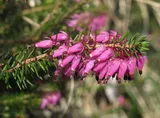
Winter heath

Erica carnea

Full sun to part shade in a garden 5⅞ in–1 ft 1¾ in × 7⅞ in–1 ft 5¾ in Flowers January–April to −64 °F
Flower colors Click a color

In short a 10-second read

SunFull sun to part shade
in a garden after 10 years5⅞ in–1 ft 1¾ in
in the wild up to 1 ft 7⅝ in
spacing 11¾ in
FlowersJanuary–April
PlantingMarch–May
Care levelModerate care

Where to plant and how much to water

Sun, soil and water.

It grows best in full sun to part shade, in average to moist soil.

Sun

Sun6 hours or more
Part shade3–6 hours
Shadeunder 3 h

Soil

tolerates any pH
acidicneutralalkaline
average to moistsandyloamyhumus-rich

Watering

regularly until establishedless when it rains

Frost

−64 °F

How much space it takes

Mature size.

The mature plant next to a person (69 in).

19¾ in3 ft 3⅜ in4 ft 11 in3⅞ in–1 ft 7⅝ inspread 5⅞ in–3 ft 3⅜ in
3⅞ in–1 ft 7⅝ in× spread 5⅞ in–3 ft 3⅜ in

Plant 11¾ in apart.

The final size depends on the cultivar and the spot — we give the range from smallest to largest.

Calendar

Through the year.

Typical for a temperate climate (four seasons). The line shows the current month.

The year at a glance

Flowers: JanuaryFlowers: FebruaryFlowers: MarchFlowers: AprilFlowers: MayFlowers: JuneFlowers: JulyFlowers: AugustFlowers: SeptemberFlowers: OctoberFlowers: NovemberFlowers: DecemberPlanting: JanuaryPlanting: FebruaryPlanting: MarchPlanting: AprilPlanting: MayPlanting: JunePlanting: JulyPlanting: AugustPlanting: SeptemberPlanting: OctoberPlanting: NovemberPlanting: DecemberJanFebMarAprMayJunJulAugSepOctNovDec
FlowersPlanting
Now, in October: nothing to do — the next job is in January.
JanFebMarAprMayJunJulAugSepOctNovDec

Flowers

JanFebMarAprMayJunJulAugSepOctNovDec

January–April · pink, purple or white

Planting

JanFebMarAprMayJunJulAugSepOctNovDec

container plant: March–May

Feeding

Nutrition.

No feeding

Pests and diseases

Common problems and what to do.

The most common problems in Central Europe. Protection is listed from the gentlest option.

What you will see

Wilting, yellow or thin foliage, dieback of branches.

How to protect

  1. Prevention
    • Improve drainage; do not plant sensitive species on heavy, waterlogged soils.
  2. By handFor a local outbreak, destroy the plants and replace the soil in the root zone; plant a less susceptible species.
Phytophthora root rotdisease

What you will see

Wilting, yellow or thin foliage, dieback of branches.

How to protect

  1. Prevention
    • Improve drainage; do not plant sensitive species on heavy, waterlogged soils.
  2. By handFor a local outbreak, destroy the plants and replace the soil in the root zone; plant a less susceptible species.
More about this problem

What you will see

White powdery coating on leaves and shoots.

How to protect

  1. Prevention
    • open pruning, do not plant too densely
    • rake up and remove fallen leaves
  2. By hand when presentremove affected parts
  3. Gentle spray at the first symptomspotassium bicarbonate or horticultural oil (only for heavy infestation)
  4. Chemical — only when nothing else helps as per the labelOnly if the damage is severe: a product authorized in your country against: powdery mildew.
Powdery mildewsdisease

What you will see

White powdery coating on leaves and shoots.

How to protect

  1. Prevention
    • open pruning, do not plant too densely
    • rake up and remove fallen leaves
  2. By hand when presentremove affected parts
  3. Gentle spray at the first symptomspotassium bicarbonate or horticultural oil (only for heavy infestation)
  4. Chemical — only when nothing else helps as per the labelOnly if the damage is severe: a product authorized in your country against: powdery mildew.
More about this problem
Vine weevil

Vine weevil

Otiorhynchus sulcatus
pestsource covers the whole genus
More about this problem

What you will see

Adults notch the leaf edges; white larvae eat the roots, mainly in containers, and the plant wilts.

How to protect

  1. Prevention
    • Check container plants often; look for notches on leaves.
  2. By handCollect adults in the evening by torchlight; when repotting, remove larvae from the roots.
Vine weevilpest

What you will see

Adults notch the leaf edges; white larvae eat the roots, mainly in containers, and the plant wilts.

How to protect

  1. Prevention
    • Check container plants often; look for notches on leaves.
  2. By handCollect adults in the evening by torchlight; when repotting, remove larvae from the roots.
More about this problem
Sources (3)

Frequently asked

Quick answers.

When does winter heath flower?

In January–April; the flowers are pink, purple or white.

Does winter heath tolerate shade?

It tolerates part shade (3–6 hours of sun), but not full shade.

How much space does winter heath need?

At maturity 5⅞ in–3 ft 3⅜ in wide and 3⅞ in–1 ft 7⅝ in tall; recommended spacing 11¾ in.

Phytophthora root rot — what can you do?

Improve drainage; do not plant sensitive species on heavy, waterlogged soils. For a local outbreak, destroy the plants and replace the soil in the root zone; plant a less susceptible species.

Powdery mildews — what can you do?

open pruning, do not plant too densely remove affected parts

Sources (8) Checked 23 October 2026

Similar plants

Have a look at these too.

rhododendron

Rhododendron (Garden Hybrids)

1 ft 7⅝ in–8 ft 2⅜ in × 1 ft 7⅝ in–13 ft 1½ in
Moderate careshrub
Design a bed with this plant in Studio