Modular Raised Bed Cost Comparison: Larch vs. Alternatives & Total Cost of Ownership in Europe
Share
Embarking on a raised garden bed project involves more than just picking a design; it requires a thoughtful look at costs, both immediate and over the lifespan of your garden. In Central Europe, gardeners have a variety of material choices, each with its own price tag and long-term implications. This guide delves into a comprehensive cost comparison, evaluating different materials like wood, plastic, and metal, with a special focus on the total cost of ownership (TCO) – a crucial metric for any sustainable garden investment.
Understanding the true cost means looking beyond the purchase price to factors like durability, maintenance, and potential replacement down the line. A seemingly inexpensive option might quickly become costly if it needs frequent repairs or early replacement, while a higher-quality initial investment can prove to be the most economical choice over decades.
What Factors Influence the Initial Cost of a Raised Garden Bed?
The initial cost of a raised garden bed is primarily driven by the material chosen, the overall size, and the complexity of its design. These three elements form the foundation of your upfront investment, dictating everything from material quantity to manufacturing processes.
Materials vary widely in price. Locally sourced, untreated softwood like spruce or pine might offer the lowest entry point, especially for a do-it-yourself project. However, these materials typically require more frequent maintenance or earlier replacement due to their limited natural resistance to decay and moisture. On the other end of the spectrum, premium hardwoods like European larch or durable metals such as galvanized steel or Corten steel represent a higher initial outlay. These materials are chosen for their inherent strength, longevity, and often, their aesthetic appeal, which naturally command a higher price point.
The dimensions of your raised bed also play a significant role. A larger bed, whether in length, width, or height, will naturally require more material, driving up the cost. Similarly, complex designs—such as L-shapes, U-shapes, or multi-tiered configurations—often involve more intricate cuts, specialized connectors, or additional structural support, all of which contribute to a higher manufacturing cost compared to a simple rectangular bed. For a deeper dive into general raised bed costs, you might find our article on How Much Does a Raised Bed Cost? insightful.
Beyond the raw materials and size, factors like pre-fabrication versus DIY assembly, the inclusion of specific features (e.g., integrated seating, pest barriers), and the brand's reputation for quality and support can also influence the initial price. While a DIY approach using inexpensive lumber might seem like the cheapest option, it often comes with hidden costs in terms of time investment, tool rental, and the potential for a shorter lifespan if not constructed with durable materials and proper techniques.
How Do Different Materials Compare in Terms of Initial Cost?
Initial costs for raised garden beds vary significantly across different materials, with basic wood or plastic options generally being more affordable upfront than premium wood or metal solutions. This initial price difference often reflects the material's inherent properties, durability, and the manufacturing processes involved.
When comparing materials, it’s helpful to categorize them by their typical cost range, durability, and maintenance requirements. While exact prices fluctuate based on market conditions, region, and specific suppliers, the relative positioning generally remains consistent across Central Europe. For instance, a simple raised bed kit made from thin, untreated spruce planks, often found in hardware stores, can be quite inexpensive initially. However, these typically use boards around 18-40 mm thick, which are less robust and more susceptible to decay than thicker, naturally durable woods.
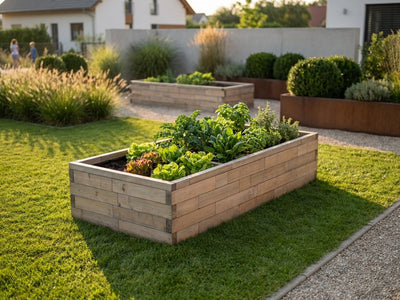
GridGarden's Brick Premium line, crafted from solid 60 mm European red larch, sits at the higher end of the initial cost spectrum. This investment reflects the superior quality and longevity of larch, a material known for its natural resistance to rot and insects without chemical treatment. In contrast, plastic beds offer a low-maintenance, often lightweight solution, while metal beds (galvanized or Corten steel) provide a modern aesthetic and good durability, typically with a medium to high initial cost.
| Material Type | Typical Thickness/Build | Initial Cost Range (Relative) | Typical Durability (Years) | Maintenance Requirements |
|---|---|---|---|---|
| DIY Spruce/Pine Lumber | Roughly 18-40 mm planks | Low | 3-7 (untreated), 5-10 (treated) | High (sealing, repairs, potential wood rot) |
| Hardware Store Wood Kits | Typically 18-40 mm treated/untreated | Low-Medium | 5-10 | Medium (occasional sealing, minor repairs) |
| Recycled Plastic | Variable, solid panels or hollow profiles | Medium | 10-20+ | Very Low (occasional cleaning) |
| Galvanized Steel | Thin gauge corrugated or flat panels | Medium-High | 15-30+ | Very Low (occasional cleaning, inspect for rust) |
| Corten Steel | Thicker gauge panels | High | 20-40+ | Very Low (no maintenance, forms protective rust layer) |
| GridGarden Brick Premium Larch | Solid 60 mm planks | High | 25+ years in ideal conditions — 15-25 in an ordinary garden | Very Low (no chemical treatment needed, robust) |
What is the Total Cost of Ownership (TCO) for a Raised Bed?
The Total Cost of Ownership (TCO) for a raised garden bed goes beyond the initial purchase price, encompassing all expenses incurred over its entire lifespan, including maintenance, potential repairs, and eventual replacement. Focusing on TCO provides a more realistic and long-term financial perspective for gardeners.
A comprehensive TCO calculation typically includes:
- Initial Purchase and Assembly: The upfront cost of the bed kit or materials, plus any labor or tools required for assembly.
- Soil and Amendments: The cost of filling the bed with appropriate soil mix, compost, and other amendments. This is a recurring cost if soil needs replenishing or enriching over time, though the bed structure itself doesn't directly influence this as much as good gardening practices.
- Maintenance Costs: For wooden beds, this might include annual sealing, staining, or painting to protect against moisture and UV degradation. Metal beds might require occasional inspection for rust, especially at joints or where coatings are compromised. Plastic beds generally have minimal maintenance beyond cleaning.
- Repair Costs: Over time, cheaper materials or those exposed to harsh conditions might crack, warp, or rot, necessitating repairs. This could involve replacing planks, reinforcing corners, or patching holes.
- Replacement Costs: When a raised bed reaches the end of its useful life, the cost of dismantling the old bed, disposing of materials, and purchasing a new one must be factored in. This is where the durability of the initial material significantly impacts TCO.
Materials with a lower initial cost often come with higher TCO due to increased maintenance needs and a shorter lifespan, leading to more frequent replacement. Conversely, higher-quality materials, while costing more upfront, typically boast lower TCO because of their extended durability and minimal maintenance requirements. This means a bed that lasts 25 years with minimal intervention will almost certainly be cheaper in the long run than one needing replacement every 5-7 years. For a holistic view of raised bed gardening, consider exploring our Complete Guide to Raised Garden Beds in Europe.
Why Does Larch Offer Superior Long-Term Value?
Larch provides superior long-term value primarily due to its exceptional natural durability and resistance to decay, which significantly extends its lifespan and reduces the need for frequent replacement or intensive maintenance. This makes it a highly economical choice over the decades.
European red larch (Larix decidua) is classified as EN 350 durability class 3-4, meaning it possesses a natural resilience to fungi and insects without requiring chemical treatment. This inherent strength is a key differentiator from softer, less durable woods like spruce or pine, which quickly succumb to moisture and decay when in contact with soil, especially in Central European climates. For a GridGarden Brick Premium raised bed, crafted from solid 60 mm larch planks, you can "Expect 15-25 years in an ordinary garden; with good drainage and no standing water, 25+ years." This mandatory lifespan claim underscores the material's robust nature.
The substantial 60 mm thickness of GridGarden's larch planks further enhances this durability. Thicker wood is less prone to warping, cracking, and structural compromise over time, providing a stable and long-lasting container for your garden. Unlike thinner boards (e.g., 18mm or 40mm) often used in cheaper kits or DIY projects, the 60mm larch offers superior structural integrity and insulation, protecting plant roots from temperature fluctuations.
Because larch is naturally resistant, it requires no chemical treatments, stains, or paints to preserve its lifespan. This translates to virtually zero maintenance costs related to wood preservation. While other wood types might need annual sealing or painting, larch weathers gracefully to a silvery-grey patina without compromising its structural integrity. This "set it and forget it" aspect dramatically lowers the TCO compared to alternatives that demand ongoing care or premature replacement. The ability to expand and reconfigure these modular beds also adds to their long-term value, allowing your garden to evolve with your needs without requiring a complete overhaul. You can explore design options and visualize your own larch bed using our 3D configurator.
How Does GridGarden's Modular System Affect Cost and Value?
GridGarden's modular Brick Premium system significantly enhances both short-term value and long-term cost-effectiveness by offering unparalleled flexibility and expandability, allowing gardeners to optimize space and adapt their beds over time without needing full replacement. This approach directly combats the hidden costs associated with rigid, non-adaptable garden solutions.
Most raised beds on the market are fixed rectangles, limiting design possibilities and future changes. GridGarden's snap-in connector system, however, allows for a vast array of configurations beyond simple rectangles, including L-shapes, U-shapes, and completely custom designs. This flexibility means you can maximize your available gardening space more efficiently, fitting a bed perfectly into an awkward corner or around existing features. By utilizing space optimally, gardeners might achieve the desired planting area with fewer, more integrated beds, potentially saving on the total material cost compared to trying to fit multiple standard rectangular beds into an irregular space.
The true value of modularity shines over time. As your gardening needs or garden layout changes, Brick Premium beds can be easily expanded, reconfigured, or even dismantled and reassembled in a different location or shape. This adaptability extends the lifespan of your initial investment by preventing the need to purchase entirely new beds when requirements shift. Instead of discarding old beds and buying new ones, you simply add or rearrange existing components. This modularity is a critical factor in reducing the overall TCO, as it minimizes waste and replacement expenses.
Furthermore, the availability of a free 3D configurator, GridGarden Studio, allows you to design your custom bed precisely to your specifications and budget before committing. This eliminates guesswork and potential costly errors in material estimates or compatibility issues often faced with DIY projects. The configurator, coupled with our AI Garden Designer for visualization, ensures that you can plan your garden with confidence, optimizing both cost and functionality from the outset. For more insights on selecting the right bed, consult our Raised Bed Buying Guide.
Is a DIY Raised Bed Always Cheaper?
While the initial material cost for a do-it-yourself (DIY) raised bed can often appear lower, especially when using readily available lumber like spruce or pine, it's not always the most economical choice in the long run. Hidden costs, time investment, and a typically shorter lifespan can make DIY more expensive than a well-designed, pre-engineered system.
Many gardeners consider building a raised bed from scratch using inexpensive planks from a local hardware store. These planks are commonly 18mm or 40mm thick and are often spruce or pine, which are softwoods. The upfront cost for these materials might seem attractive, but this approach often overlooks several critical factors:
- Time Investment: Designing, sourcing, cutting, treating (if desired), and assembling a DIY bed can be a time-consuming process. Your time has value, and this labor cost is often underestimated.
- Tools and Skills: Proper construction requires a range of tools (saws, drills, measuring equipment) and a certain level of carpentry skill to ensure square corners, strong joints, and a level structure. Tool rental or purchase adds to the cost.
- Material Quality and Durability: Inexpensive softwoods, especially at thinner dimensions, are far less durable than naturally resistant woods like 60 mm larch. They are prone to rot, warping, and insect damage when in constant contact with moist soil. This leads to a significantly shorter lifespan, often requiring replacement within 3-7 years, even with treatment.
- Design Errors: Without precise engineering, DIY beds can sometimes suffer from structural weaknesses or poor drainage, leading to premature failure or gardening challenges.
- Hidden Costs of Maintenance: To extend the life of a DIY softwood bed, regular maintenance like sealing, staining, or painting is often necessary, adding recurring costs and labor.
In contrast, a system like GridGarden's Brick Premium offers a complete, engineered solution. While the initial investment for 60 mm larch planks is higher, you save on design time, material sourcing, cutting, and the assembly is simplified by a modular snap-in system. Crucially, the superior durability of larch means a lifespan of "25+ years in ideal conditions – 15-25 in an ordinary garden," drastically reducing the frequency of replacement and the associated costs and labor. This long-term value often outweighs the initial savings of a DIY project that might need to be rebuilt multiple times over the same period. For those just starting, understanding these factors is key, and our guide on How to Start a Raised Bed Garden can offer further assistance.
Ultimately, a DIY bed can be a rewarding project, but it’s essential to weigh the initial material cost against the full spectrum of time, effort, durability, and replacement costs to determine if it truly offers the best long-term value for your garden.
Key Takeaways
- Initial cost is only one component; Total Cost of Ownership (TCO) provides a more accurate long-term financial picture for raised beds.
- Materials like thin spruce or plastic may have lower upfront costs but often incur higher TCO due to shorter lifespans and more frequent maintenance or replacement.
- Solid 60 mm European larch offers superior durability, with an expected lifespan of "25+ years in ideal conditions — 15-25 in an ordinary garden," significantly reducing TCO.
- GridGarden's modular system provides flexibility for custom shapes and future expansion, adding long-term value and preventing the need for full replacements.
- While DIY can save on initial material costs, it often involves hidden expenses in time, tools, and a shorter lifespan, potentially making it more costly over several years.
Frequently Asked Questions
Is a cheaper raised bed always a better deal?
No, a cheaper raised bed is not always a better deal. While the initial purchase price might be lower, less durable materials often lead to higher maintenance costs, earlier replacement, and ultimately a greater total cost of ownership (TCO) over the long term. Investing in a high-quality, durable material like 60 mm larch, though more expensive upfront, typically proves more economical over many years due to its extended lifespan and minimal maintenance.
How does larch compare to spruce for raised beds?
Larch is significantly more durable and naturally resistant to rot and insects than spruce, especially when used in a raised bed environment with constant soil contact. Spruce is a softwood that typically lasts 3-10 years, even with treatment, and requires more maintenance. Larch, particularly 60 mm planks, is naturally robust and can last "25+ years in ideal conditions — 15-25 in an ordinary garden" without chemical treatment, offering superior longevity and lower long-term costs.
Can I expand my GridGarden raised bed later?
Yes, GridGarden's Brick Premium system is designed for modularity and expandability. You can easily add more 60 mm larch planks and connectors to increase the length, width, or height of your existing bed, or even reconfigure its shape. This flexibility is a key advantage, allowing your garden to grow and adapt with your needs over time without requiring a complete replacement.
What is the benefit of a 60 mm thick plank compared to thinner options?
The 60 mm thickness of GridGarden's larch planks offers several benefits over thinner alternatives (like 18mm or 40mm). It provides superior structural stability, reducing the likelihood of warping, cracking, or bowing over time. The increased mass also offers better insulation for the soil, protecting plant roots from extreme temperature fluctuations. Most importantly, the substantial thickness contributes significantly to the overall durability and extended lifespan of the raised bed, making it a more robust and long-lasting investment.
Related Articles
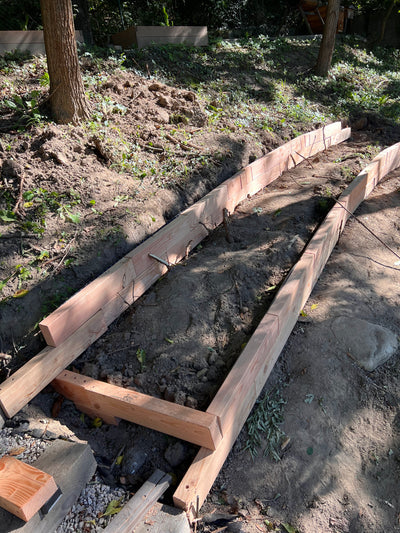
Raised Bed Systems Compared: Modular (GridGarden) vs. Kits vs. Custom Builds – What's Best for Your Garden?
22. 09. 2026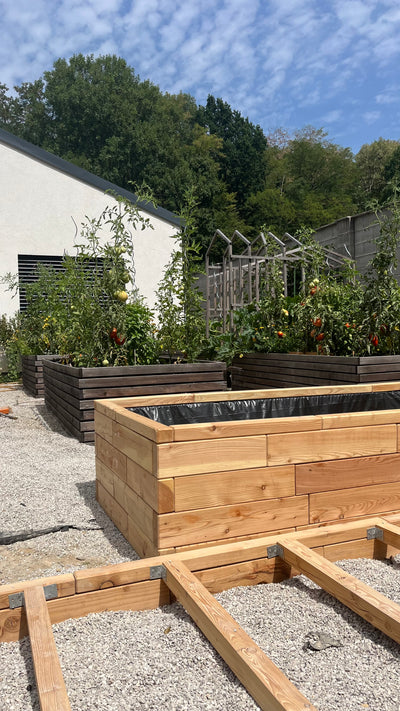
AI Garden Designer: From Concept to Assembly & Cost Estimation for Your Raised Bed
17. 09. 2026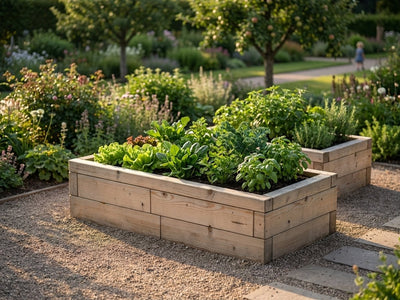
Raised Bed Buying Guide for First-Time Builders: What You Need (Spoiler: No Power Tools)
16. 09. 2026