Raised Bed Cost Comparison: Larch vs. Alternatives in Europe – A Total Cost of Ownership Guide
Share
Raised Bed Cost Comparison: Larch vs. Alternatives in Europe – A Total Cost of Ownership Guide
Investing in a raised garden bed is a long-term decision that impacts your gardening success and your wallet. While the initial purchase price is often the first thing gardeners consider, a more comprehensive approach involves evaluating the Total Cost of Ownership (TCO). This guide explores the TCO of various raised bed materials available in Europe, comparing everything from initial outlay to maintenance, lifespan, and replacement costs, with a special focus on the enduring value of larch.
Understanding TCO helps you make an informed choice that aligns with your budget, gardening goals, and environmental values. We'll delve into the specifics of popular materials, including various wood types, metals, and even stone, to help you determine which option offers the best long-term investment for your Central European garden.
What is Total Cost of Ownership (TCO) for a Raised Bed?
Total Cost of Ownership (TCO) for a raised bed is the sum of all direct and indirect costs incurred over its entire lifespan, not just the initial purchase price. This includes the cost of the materials or kit, assembly time and potential labor, the volume and type of soil and amendments needed, ongoing maintenance (e.g., sealing, repairs), and eventual replacement costs.
Many gardeners initially focus solely on the price tag of a raised bed kit or the raw materials. However, a cheaper upfront option might accumulate significant costs over time through frequent repairs, premature replacement, or higher maintenance demands. Conversely, a higher initial investment in durable materials can lead to substantial savings and less hassle in the long run. Factors like material lifespan, resistance to rot, pest resilience, and structural integrity all play a crucial role in determining the true TCO.
How Do Different Wood Types Compare in Cost and Lifespan?
Different wood types offer a wide range of costs and lifespans, primarily influenced by their natural durability, thickness, and whether they are chemically treated. For instance, a basic raised bed constructed from readily available spruce lumber might seem inexpensive initially, but its relatively short lifespan in direct soil contact often leads to higher replacement costs within a few years.
Let's consider common wood options in Central Europe:
Spruce (DIY or Basic Kits)
Spruce is widely available and affordable, making it a popular choice for DIY raised beds or very basic kits. A typical spruce board, often found at 18mm or 20mm thickness, might cost significantly less per meter than denser, more durable woods. However, spruce has low natural resistance to rot and moisture, especially when in contact with damp soil. Without extensive treatment and meticulous maintenance, a spruce raised bed can start showing signs of decay within 3-5 years, particularly in wet climates or if drainage is poor. This short lifespan means you'll likely face the cost and effort of rebuilding or replacing the bed relatively frequently, adding significantly to its TCO over a decade or two.
Chemically Treated Wood (e.g., Pressure-Treated Pine)
Chemically treated wood, often pressure-treated pine, is designed to resist rot, fungi, and insect infestation, extending its lifespan considerably compared to untreated spruce. While the initial cost per board is higher than untreated spruce, it's generally still more affordable than naturally durable woods like larch. Treated wood can last anywhere from 10 to 20 years, depending on the treatment type, climate, and soil conditions. However, many gardeners express concerns about the chemicals used in the treatment process, especially for growing edible plants. While modern treatments are generally considered safer than older methods, the presence of chemicals can be a deterrent for those seeking an organic gardening approach. The environmental impact of producing and disposing of treated wood is also a consideration.
Larch (GridGarden Brick Premium)
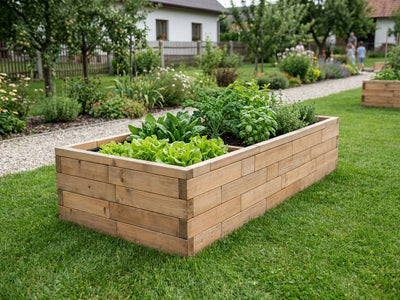
Larch, specifically European red larch (Larix decidua), stands out for its natural durability and aesthetic appeal. GridGarden's Brick Premium raised beds are crafted from solid 60mm thick larch planks, which is a significant factor in their robustness and longevity. Larch is classified under EN 350 durability class 3-4, meaning it has good to moderate resistance to decay even without chemical treatment. The density and resin content of larch naturally deter rot and insects, making it an excellent choice for outdoor structures like raised beds. Solid 60 mm larch, with no chemical treatment, can be expected to last 15-25 years in an ordinary garden; with good drainage and no standing water, 25+ years. This impressive lifespan drastically reduces the need for frequent replacement, making its TCO very competitive over the long term, despite a higher initial investment than spruce or treated pine. Furthermore, the absence of chemical treatments makes larch an ideal, environmentally friendly choice for organic vegetable gardening. Its strength also allows for unique modular designs, such as the L-shape, U-shape, and custom configurations offered by the GridGarden Studio configurator, which are difficult to achieve with thinner, less stable materials.
What Are the Hidden Costs of DIY Raised Beds vs. Kits?
The hidden costs of DIY raised beds versus pre-made kits often lie in unforeseen expenses, time investment, and the potential for errors that require rework. While DIY can appear cheaper upfront, it frequently accumulates hidden costs that can quickly erode any initial savings.
For DIY projects, the "hidden" costs begin with your time. Sourcing materials, cutting, drilling, and assembling can take many hours, especially for complex designs. If you value your time, this labor cost can be substantial. You'll also need tools – saws, drills, fasteners, measuring equipment – which might require purchase or rental if you don't already own them. There's also the risk of material waste due to cutting errors or design flaws, leading to additional material purchases. Furthermore, DIY beds often lack the precision engineering and specialized joinery of professional kits, potentially compromising structural integrity and leading to a shorter lifespan or more frequent repairs.
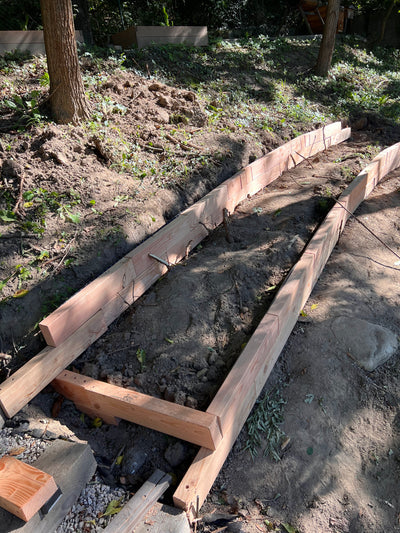
Pre-made kits, like the modular Brick Premium system from GridGarden, bundle these costs into a single price. While the initial cost might be higher than raw DIY materials, you save significantly on time, labor, and potential errors. Kits come with all necessary components, pre-cut and often pre-drilled, simplifying assembly. The innovative snap-in connector system of GridGarden beds, for example, allows for quick, tool-free assembly, drastically cutting down on labor time. This not only saves you hours of work but also ensures a robust, professionally engineered structure that is designed to last. The modularity also means you can easily expand or reconfigure your beds later, adding long-term flexibility and avoiding the cost of entirely new units.
How Do Metal and Stone Raised Beds Compare to Wood?
Metal and stone raised beds offer distinct advantages and disadvantages compared to wood, particularly concerning durability, aesthetics, and overall TCO. Each material presents a unique set of considerations for European gardeners.
Metal Raised Beds (Galvanized Steel, Corten Steel)
Metal raised beds, typically made from galvanized steel or Corten steel, are known for their modern aesthetic and durability. Galvanized steel beds are usually the most affordable metal option, offering good rust resistance for many years, often 10-20 years depending on the coating and climate. However, the galvanization can eventually wear off, leading to rust. Corten steel, known for its distinctive rust-like patina, is highly durable and can last 20-30+ years without significant degradation. Its initial cost is typically higher than galvanized steel but lower than some premium stone options. Both metal types can absorb and retain heat, which can be beneficial in cooler climates by warming the soil but potentially detrimental in very hot regions, as it can overheat roots. Expansion and contraction with temperature changes can also affect structural integrity over a very long lifespan. Installation is generally straightforward for kits, but custom metal fabrication can be costly.
Stone or Concrete Raised Beds
Stone or concrete raised beds represent the highest initial investment among common materials but offer exceptional longevity, often lasting 50 years or even more. Materials like natural stone, concrete blocks, or bricks are extremely durable, resistant to rot, pests, and fire. They provide excellent thermal mass, helping to regulate soil temperatures. The main drawbacks are the high material cost, significant labor involved in construction (often requiring professional masonry skills), and their permanent nature. Once built, moving or reconfiguring a stone or concrete bed is extremely difficult and costly. This lack of flexibility can add to the TCO if your gardening needs or garden layout change over time. For those seeking a permanent, maintenance-free, and aesthetically solid structure, stone or concrete can be an excellent long-term investment, provided the initial budget allows.
What Role Does Modularity and Design Flexibility Play in TCO?
Modularity and design flexibility play a significant role in the Total Cost of Ownership by allowing raised beds to adapt to changing gardening needs and garden layouts, preventing the need for costly replacements or extensive overhauls. A rigid, non-modular system might perfectly suit your needs today, but as your garden evolves, it can become a limiting factor.
Consider a gardener who starts with a small rectangular bed but later wishes to expand their growing space or incorporate new garden features. With a traditional, fixed raised bed, expansion might mean purchasing an entirely new bed or even multiple new beds, which is costly and potentially wasteful. The old bed might then be difficult to repurpose or relocate. In contrast, a modular system like GridGarden's Brick Premium allows for seamless expansion and reconfiguration. Its unique snap-in connector system means you can add more planks to increase length, width, or even height, transforming a simple rectangle into an L-shape, U-shape, or even more complex custom configurations. This adaptability extends the functional lifespan of your initial investment, meaning you don't have to buy entirely new beds as your gardening ambitions grow. The ability to easily disassemble and move the beds also adds value, especially if you relocate or wish to redesign your garden layout.
The GridGarden Studio 3D configurator further enhances this value by allowing you to design and visualize custom shapes and sizes before purchase. This ensures you get exactly what you need, minimizing waste and ensuring the bed fits your space perfectly from the start. This kind of flexibility is a powerful TCO reducer, preventing future expenses associated with rigid, non-adaptable structures and maximizing the utility of your initial investment over many years.
How Does Soil and Filling Material Impact Overall Raised Bed Costs?
The cost of soil and filling material can significantly impact the overall cost of a raised bed, often representing a substantial portion of the initial investment, especially for larger or taller beds. Many new gardeners underestimate this expense, focusing solely on the bed structure itself.
Raised beds require a considerable volume of soil to fill them. The deeper and wider your bed, the more soil you'll need. High-quality raised bed soil mixes, which are typically lighter, richer in organic matter, and better draining than ordinary garden soil, can be expensive, especially when purchased in bags from garden centers. Bulk delivery of soil can be more cost-effective for larger volumes, but still represents a notable expense. For example, a raised bed measuring 2 meters by 1 meter by 0.6 meters high requires 1.2 cubic meters of soil – a considerable quantity.
To mitigate these costs, many gardeners employ the "Hugelkultur" method or similar layering techniques. This involves filling the bottom third or half of the raised bed with organic matter like logs, branches, leaves, grass clippings, and compost before topping it with high-quality soil. This not only reduces the amount of expensive topsoil needed but also improves drainage, aeration, and provides a slow-release source of nutrients as the organic matter decomposes over time. While Hugelkultur utilizes free or low-cost organic waste, it does require time and effort to gather and layer these materials. For GridGarden's 60cm high beds, this layering strategy is particularly effective, offering a sustainable way to reduce soil costs and enhance long-term soil health. Planning your filling strategy alongside your bed purchase can significantly reduce the initial TCO.
What Maintenance and Replacement Costs Should I Expect?
Maintenance and replacement costs are critical components of a raised bed's Total Cost of Ownership, varying dramatically with the chosen material and its inherent durability. Neglecting these aspects can lead to premature failure and higher long-term expenses.
For untreated softwood like spruce, maintenance primarily involves vigilance for rot and pests, with replacement often being the most common "maintenance" activity within a few years. Chemically treated wood requires less frequent maintenance but may need occasional re-sealing or treatment to prolong its life, though the chemicals remain a concern for some. Metal beds are generally low maintenance, perhaps requiring occasional cleaning or rust treatment for galvanized steel, while Corten steel simply develops its protective patina. Stone and concrete beds are virtually maintenance-free once installed, aside from routine cleaning.
Larch, particularly the robust 60mm planks of GridGarden Brick Premium beds, strikes an excellent balance. It requires no chemical treatment, meaning no recurring costs for sealants or stains if you appreciate its natural aging process. The thick planks are inherently stable and resistant to warping. While any wood benefits from good drainage, larch's natural durability means minimal intervention is needed. Over its expected lifespan of 15-25 years (or 25+ years in ideal conditions), the maintenance costs are minimal compared to the frequent repairs or replacements needed for less durable wood types. When a component does eventually reach the end of its life, the modular design of GridGarden beds allows for individual plank replacement, rather than having to replace the entire structure. This targeted repair capability significantly reduces future replacement costs and extends the overall life of the raised bed system, demonstrating a strong TCO advantage.
| Material Type | Initial Cost (Relative) | Typical Lifespan | Maintenance Needs | Flexibility / TCO Factor |
|---|---|---|---|---|
| Spruce (Thin DIY / Basic Kits) | Low | 3-7 years | High (frequent rot checks, likely early replacement) | Low (fixed, short-term value, high replacement cost over time) |
| Chemically Treated Wood | Medium-Low | 10-20 years | Medium (occasional re-treatment, chemical concerns) | Medium (fixed, but longer lifespan reduces TCO vs. spruce) |
| Larch (GridGarden Brick Premium, 60mm) | Medium-High | 15-25 years (25+ ideal) | Low (no chemical treatment, natural durability, modular repair) | High (modular, expandable, long-term value, excellent TCO) |
| Galvanized Steel | Medium | 10-20 years | Low (occasional cleaning, potential rust over time) | Medium (fixed, good lifespan, can overheat soil) |
| Corten Steel | High | 20-30+ years | Very Low (develops protective patina, very durable) | Medium-High (fixed, very long lifespan, high initial cost) |
| Stone / Concrete | Very High | 50+ years | Very Low (virtually maintenance-free) | Low (extremely permanent, no flexibility, very high initial cost) |
What Are the Environmental and Health Considerations?
Environmental and health considerations are increasingly important factors in the choice of raised bed materials, extending beyond mere cost to impact the sustainability of your gardening practices and the safety of your produce. These aspects contribute to a holistic understanding of TCO, especially for organic gardeners.
For wood, the primary concern revolves around chemical treatments. Pressure-treated woods, while durable, are impregnated with chemicals to prevent rot and pests. While modern treatments are regulated, many gardeners prefer to avoid them, especially when growing edible plants, due to potential leaching into the soil. Untreated softwoods like spruce are environmentally benign but have a short lifespan, leading to more frequent harvesting of trees and waste. Larch, particularly European red larch, offers a compelling balance. It boasts natural durability without the need for chemical treatments, making it an excellent choice for organic gardening. GridGarden's 60mm larch planks are sourced from sustainably managed European forests, aligning with environmentally conscious practices. At the end of its long life, untreated larch can be safely composted or repurposed.
Metal raised beds, while durable, have an energy-intensive manufacturing process. Galvanized steel uses zinc, which can have environmental impacts during production and disposal. Corten steel's unique rust layer is generally considered inert once formed. Plastic raised beds, while sometimes made from recycled materials, raise concerns about microplastic leaching into the soil, especially as the plastic degrades over time, and their non-biodegradable nature poses a long-term waste challenge. Stone and concrete are natural materials, but their extraction and transportation can have significant environmental footprints, and their permanence means a very long-term commitment to a fixed garden layout.
Choosing a material like GridGarden's untreated, thick larch not only provides a durable and beautiful raised bed but also supports a healthier, more sustainable gardening environment by avoiding chemical inputs and promoting responsible forestry. This peace of mind is an invaluable, though unquantifiable, aspect of TCO.
Key Takeaways
- The Total Cost of Ownership (TCO) for a raised bed includes initial purchase, soil, labor, maintenance, and replacement costs over its lifespan.
- Larch, especially robust 60mm planks like GridGarden's Brick Premium, offers a superior TCO due to its natural durability (15-25+ years lifespan), minimal maintenance, and absence of chemical treatments.
- Cheaper wood alternatives like spruce have low initial costs but high TCO due to frequent replacement (3-7 years) and labor.
- Metal and stone beds offer long lifespans but come with higher initial costs and varying environmental impacts; stone lacks flexibility.
- Modularity, as seen in GridGarden's system, significantly reduces TCO by allowing for easy expansion and reconfiguration, avoiding full bed replacements.
Frequently Asked Questions
Is a more expensive raised bed always a better investment?
Not always, but often. A higher initial cost typically correlates with more durable materials and better construction, which can lead to a lower Total Cost of Ownership (TCO) over the long term. For example, while a raised bed made from robust 60mm larch planks might cost more upfront than one made from thin spruce, its 15-25+ year lifespan and minimal maintenance needs usually make it a more economical choice over two decades compared to replacing a spruce bed multiple times.
How can I reduce the cost of filling a large raised bed?
You can significantly reduce the cost of filling a large raised bed by employing layering techniques, often referred to as "Hugelkultur." This involves filling the bottom portion of your bed with organic materials like logs, branches, leaves, and compost, which are often free or low-cost. This method reduces the amount of expensive bagged or bulk topsoil you need to purchase, while also improving drainage and providing long-term nutrients to your plants.
Are chemically treated wood raised beds safe for growing vegetables?
While modern chemically treated wood is generally considered safer than older formulations and is often approved for garden use, many gardeners prefer to avoid it for growing edible plants due to concerns about chemicals potentially leaching into the soil. For those prioritizing organic and chemical-free gardening, naturally durable alternatives like untreated European red larch are often preferred.
What makes GridGarden's larch beds a good long-term investment?
GridGarden's larch beds are a good long-term investment due to their solid 60mm thick European red larch planks, offering exceptional durability and a lifespan of 15-25 years or more without chemical treatment. Their unique modular snap-in connector system allows for easy expansion, reconfiguration into L-shape, U-shape, or custom designs, and targeted plank replacement, drastically reducing future costs and extending the overall utility of your gardening setup. The GridGarden Studio configurator also aids in perfect planning, minimizing waste.
Can I move or reconfigure a raised bed if my garden plans change?
The ability to move or reconfigure a raised bed depends heavily on its material and construction. Rigid materials like stone or concrete are generally permanent once installed. Metal beds can sometimes be moved, but often as a whole unit. Modular wood systems, like GridGarden's Brick Premium raised beds, offer excellent flexibility. Their snap-in design allows for easy disassembly and reassembly, making it straightforward to move them to a new location, expand them, or change their shape to adapt to evolving garden plans, thus enhancing their long-term value.
Ready to design a raised bed that offers exceptional long-term value and flexibility? Explore the possibilities with our free 3D configurator, GridGarden Studio, and discover the lasting benefits of 60mm European red larch.
Related Articles
Raised Bed Systems Compared: Modular (GridGarden) vs. Kits vs. Custom Builds – What's Best for Your Garden?
22. 09. 2026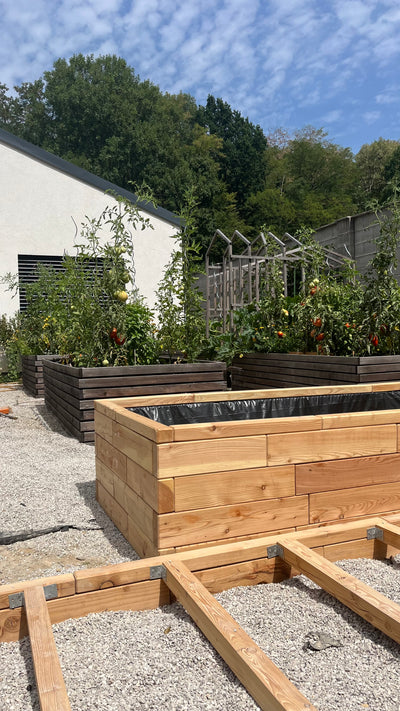
AI Garden Designer: From Concept to Assembly & Cost Estimation for Your Raised Bed
17. 09. 2026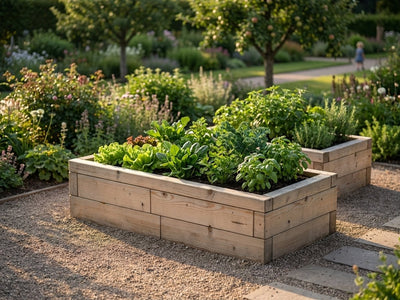
Raised Bed Buying Guide for First-Time Builders: What You Need (Spoiler: No Power Tools)
16. 09. 2026