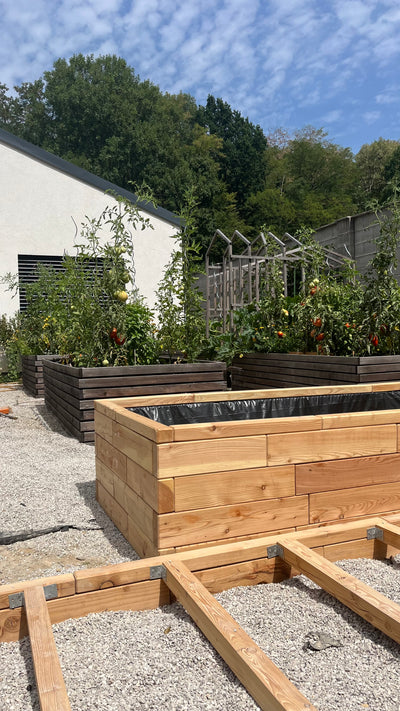
Raised Bed Buying Guide for First-Time Builders: What You Need (Spoiler: No Power Tools)
Share
Embarking on your first gardening adventure can feel daunting, especially when faced with images of complex DIY projects involving saws, drills, and hours of construction. But what if we told you that building a beautiful, functional raised garden bed could be incredibly simple, even for complete beginners, and without a single power tool?
This guide is crafted for first-time builders across Central Europe who are looking for an accessible, stress-free way to start their raised bed garden. We'll explore how to choose the right materials, understand the importance of design, and discover how innovative modular systems have revolutionized the process, making gardening more approachable than ever before.
Why choose a raised bed for your first garden?
Raised beds simplify gardening significantly, offering better soil control, improved drainage, and easier access, which are all major advantages for beginners. They create a defined growing space, making garden management straightforward and preventing soil compaction that can hinder plant growth in traditional ground beds.
For many, the idea of tilling a large plot or dealing with poor native soil can be a barrier to starting a garden. Raised beds circumvent these issues by allowing you to fill them with optimal soil mixes, tailored to your plants' needs. This can lead to healthier plants and more bountiful harvests. In fact, raised beds can enhance crop yields and simplify maintenance in a home vegetable garden, making them an excellent choice for those looking to grow their own food with less effort. They are also incredibly versatile, fitting into various garden layouts, from small urban balconies to expansive backyards. Furthermore, raised garden beds are beneficial for organizing plot space and providing easy access in school and community gardens, a testament to their practicality and user-friendliness.
Beyond the practical benefits, raised beds offer an aesthetic appeal, creating tidy, structured planting areas that complement any garden design. They elevate your plants, reducing bending and kneeling, which is a welcome relief for gardeners of all ages and physical abilities. For a more comprehensive overview of raised beds, consider reading our Complete Guide to Raised Garden Beds in Europe.
What materials are best for a beginner's raised bed?
The best materials for a beginner's raised bed are those that are durable, non-toxic, and easy to assemble without specialized tools or skills. Wood is a popular choice due to its natural appearance and workability, but not all woods are created equal, especially for long-term outdoor use.
The selection of construction materials for raised garden beds is influenced by local availability, the specific type of bed to be built, and the budget. While many DIY guides suggest using readily available lumber like spruce or pine from a local hardware store, these woods, typically 18-40mm thick, often require chemical treatment to resist rot and insects, which can be a concern for organic gardening. Alternatively, untreated spruce will typically last only 5-8 years in contact with soil, requiring frequent replacement.
"This publication focuses on materials that comply with most organic food production standards."
— University of Georgia Cooperative Extension, Raised Bed Materials | CAES Field Report
For a beginner seeking longevity and ease, European red larch (Larix decidua) stands out. Larch is naturally resistant to rot and pests due to its high resin content, meaning it doesn't require chemical treatment. GridGarden's Brick Premium raised beds, for instance, are crafted from solid 60mm thick European red larch planks. This substantial thickness provides exceptional stability and insulation for your soil, outperforming thinner alternatives found in many competitor kits (often 40mm) or DIY projects (commonly 18-28mm boards). Opting for a naturally durable wood like larch ensures your garden bed remains structurally sound for many years without the need for toxic preservatives, aligning with sustainable and organic gardening practices. To delve deeper into material choices, refer to our Raised Bed Buying Guide.
Do I need power tools to build a raised garden bed?
No, you absolutely do not need power tools to build a modern raised garden bed, especially if you choose a modular system designed for tool-free assembly. This is a game-changer for beginners or anyone who prefers to avoid the complexities, noise, and safety concerns associated with power tools.
Traditional raised bed construction often involves cutting lumber to size, drilling pilot holes, and screwing pieces together – tasks that typically require a saw, drill, and various bits. This can be intimidating for those without woodworking experience or access to a workshop. However, innovative designs like the GridGarden Brick Premium system have eliminated this barrier. These beds feature a unique snap-in connector system where robust 60mm larch planks slide securely into place, forming a strong and stable structure with just your hands. The entire assembly process can often be completed in under an hour, depending on the size and complexity of your design, transforming what used to be a weekend project into a quick and enjoyable task.
This tool-free approach not only simplifies the initial build but also allows for easy disassembly, reconfiguration, or expansion of your raised bed in the future. It means you can focus on the exciting part – planning your plants and preparing your soil – rather than wrestling with hardware. For guidance on getting started with your new bed, explore our article on How to Start a Raised Bed Garden.
How important is a raised bed's thickness and durability?
The thickness and inherent durability of a raised bed's materials are paramount, directly influencing its stability, longevity, and overall performance in your garden. A thicker material provides greater structural integrity, better insulation for the soil, and a significantly longer lifespan, especially in diverse Central European climates.
When comparing options, consider that generic DIY boards, often made from spruce or pine and typically 18-40mm thick, offer limited durability. These thinner materials are more prone to warping, cracking, and rot when exposed to constant moisture and soil pressure, leading to a much shorter lifespan – usually 5-10 years, even with some treatment. In contrast, the 60mm thick European red larch used in GridGarden Brick Premium beds offers superior performance. This substantial thickness provides exceptional resistance to bowing and twisting, ensuring your bed maintains its shape and strength over decades.
Larch's natural resistance to decay means it doesn't require chemical treatments that can leach into your soil. With solid 60 mm larch, and no chemical treatment, you can expect 15-25 years in an ordinary garden; with good drainage and no standing water, 25+ years. This far surpasses the lifespan of thinner, less durable woods, offering better value over time. While the initial investment for a high-quality, thick larch bed might be higher, the reduced need for repairs, replacements, and chemical treatments makes it a more sustainable and cost-effective choice in the long run. Understanding these factors is key to appreciating How Much Does a Raised Bed Cost? over its lifetime.
How can I design a raised bed that fits my garden perfectly?
Designing a raised bed that perfectly complements your garden space and gardening ambitions is easier than ever, thanks to advanced online configurators and the inherent flexibility of modular systems. Gone are the days of being limited to standard rectangular kits or complex custom builds requiring professional help.
When planning raised bed dimensions, consider the materials, the slope of the garden site, and accessibility for all gardeners. Modular raised bed systems, like GridGarden's Brick Premium, excel in this area. Their snap-in plank design allows for a vast array of configurations beyond simple rectangles. You can effortlessly create L-shaped beds to wrap around corners, U-shaped designs for easy central access, or even intricate custom layouts to fit unique garden spaces, slopes, or existing features. This adaptability ensures that your raised bed isn't just a functional item but an integrated part of your garden's design.
To assist with this design process, GridGarden offers the free GridGarden Studio 3D configurator. This intuitive online tool allows you to visualize your raised bed in real-time, experimenting with different dimensions, shapes, and heights to find the perfect fit. You can adjust every aspect, from length and width to the number of layers, seeing the exact design and cost instantly. Some advanced configurators even include AI Garden Designer features, allowing you to upload a photo of your garden and see a render of how the raised bed would look in your actual space. This level of customization and visualization empowers even first-time builders to create a professional-looking garden layout with confidence. The growing interest in home food production across Europe highlights the need for such flexible solutions.
"Home food production is a growing trend in Florida gardening once again."
— UF/IFAS Extension University of Florida, Raised Bed Buying Guide for First-Time Builders: What You Need (Spoiler: No Power Tools)
What should I look for in a raised bed for long-term use?
For long-term gardening success, a raised bed should be built to last, providing a stable and healthy environment for your plants for many years. This means prioritizing robust construction, naturally durable and untreated materials, and a design that offers flexibility for future needs.
For long-term gardening, it is advisable to use a framework for raised beds, even though it's not strictly necessary. A well-constructed framework, particularly one made from thick, rot-resistant wood like 60mm European red larch, provides the necessary structural integrity to withstand soil pressure, moisture, and seasonal weather changes without warping or collapsing. Untreated larch, as used in GridGarden Brick Premium, is an excellent choice because its natural properties resist decay and pests, eliminating the need for chemical preservatives that could leach into your soil and harm your plants or the environment. This commitment to natural materials ensures that your garden remains healthy and productive.
Beyond material quality, consider the design's expandability. A truly long-term solution isn't just about durability; it's about adaptability. Modular systems that allow you to easily add more planks, extend existing beds, or reconfigure shapes mean your garden can grow and evolve with your needs without requiring a complete rebuild. This foresight in planning saves time, money, and effort over the decades. With solid 60 mm larch, no chemical treatment, you can expect 15-25 years in an ordinary garden; with good drainage and no standing water, 25+ years, making it a wise investment for dedicated gardeners.
| Feature | DIY (e.g., 18mm Spruce) | Competitor Kit (e.g., 40mm Pine) | GridGarden Brick Premium (60mm Larch) |
|---|---|---|---|
| Material Thickness | Typically 18-28mm | Typically 40mm | Solid 60mm European Red Larch |
| Wood Durability (Untreated) | Low (5-8 years) | Medium (8-12 years) | High (15-25 years, 25+ in ideal conditions) |
| Chemical Treatment Needed? | Often recommended for longevity | Sometimes pre-treated, check labels | No, naturally resistant |
| Assembly Difficulty | Moderate (cutting, drilling, screwing) | Easy to Moderate (pre-drilled, some screwing) | Very Easy (Tool-free snap-in system) |
| Tools Required | Saw, drill, measuring tape, screws | Screwdriver, sometimes mallet | None |
| Design Flexibility | High (if skilled at DIY) | Limited (standard rectangles/squares) | Excellent (Modular L, U, Custom shapes via configurator) |
| Expandability | Difficult to match existing structure | Limited, often requires buying new kit | Seamless (Add planks, reconfigure anytime) |
Key Takeaways for First-Time Raised Bed Builders:
- Raised beds offer beginners an easier, more controlled way to garden, with improved soil conditions and accessibility.
- Choose naturally durable, untreated wood like 60mm European red larch for longevity and eco-friendliness.
- Modern modular systems allow for completely tool-free assembly, making construction simple and fast.
- Thickness matters: 60mm planks provide superior stability, insulation, and durability compared to thinner alternatives.
- Utilize free 3D online configurators to design custom shapes and sizes that perfectly fit your garden space without guesswork.
Frequently Asked Questions
Is a raised bed really easier for beginners?
Yes, raised beds are often much easier for beginners than traditional in-ground gardening. They offer better control over soil quality, drainage, and weeds, and their elevated nature reduces bending and kneeling. Modular systems, in particular, simplify the construction process significantly, requiring no special tools or carpentry skills.
What is the best wood for a raised bed?
For a durable and eco-friendly raised bed, untreated European red larch is an excellent choice. Its natural resistance to rot and pests means it lasts much longer than common, thinner woods like spruce or pine, and doesn't require chemical treatments. GridGarden's 60mm larch planks provide exceptional stability and longevity.
Can I move a modular raised bed once assembled?
One of the great advantages of modular raised bed systems is their flexibility. While a filled bed is very heavy, the tool-free snap-in design of systems like Brick Premium allows for easy disassembly and reassembly. This means you can move your bed, reconfigure its shape, or even expand it with additional planks as your gardening needs change, offering unparalleled adaptability.
How long does it take to assemble a GridGarden raised bed?
Thanks to the tool-free snap-in connector system, most GridGarden Brick Premium raised beds can be assembled by one person in approximately 30-60 minutes, depending on the size and number of layers. There's no need for drilling, screwing, or complex instructions, making it a very quick and satisfying project for beginners.
Sources & Further Reading
Last verified: 2026-09-16.
- Raised Bed Materials | CAES Field Report: Raised Bed Materials | CAES Field Report, "Raised Bed Materials | CAES Field Report"
- Raised Garden Bed Dimensions | CAES Field Report: Raised Garden Bed Dimensions | CAES Field Report, "Raised Garden Bed Dimensions | CAES Field Report"
- Raised Bed Buying Guide for First-Time Builders: What You Need (Spoiler: No Power Tools): Raised Bed Buying Guide for First-Time Builders: What You Need (Spoiler: No Power Tools), "Raised Bed Buying Guide for First-Time Builders: What You Need (Spoiler: No Power Tools)"
Ready to start your stress-free gardening journey? Design your perfect tool-free raised bed today with our free 3D GridGarden Studio configurator and discover how easy it is to grow your own fresh produce.
Related Articles
Raised Bed Systems Compared: Modular (GridGarden) vs. Kits vs. Custom Builds – What's Best for Your Garden?
22. 09. 2026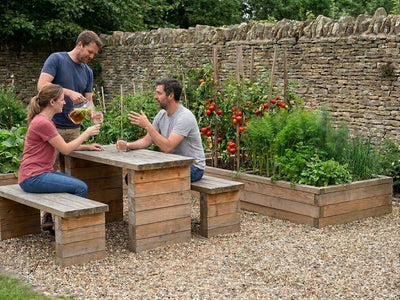
Design Your Autumn Oasis: Raised Beds with Integrated Seating & Fire Pits (No Tools Needed)
20. 09. 2026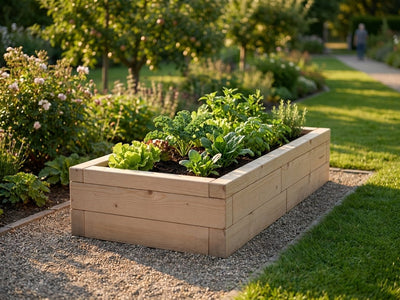
Autumn Raised Bed Design: Landscaping & Late-Season Growing for Central Europe
19. 09. 2026