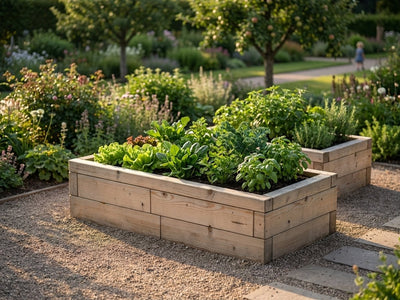
Autumn Raised Bed Design: Landscaping & Late-Season Growing for Central Europe
Share
As the vibrant colours of summer begin to fade, many gardeners might assume their raised beds are ready for a long winter's rest. However, autumn presents a unique opportunity to continue gardening, extend your harvest, and create stunning seasonal displays that enhance your outdoor space well into the colder months. For gardeners across Central Europe, understanding how to adapt your raised beds for autumn can unlock new possibilities, turning them into productive and beautiful features even as temperatures drop.
Why Consider Autumn Design for Your Raised Beds?
Autumn design for raised beds allows you to extend the gardening season, maximize your harvest, and maintain an aesthetically pleasing garden space even as summer flowers fade. Instead of seeing your raised beds as dormant plots, consider them as dynamic canvases that can transition beautifully through the changing seasons.
Extending the growing season means you can enjoy fresh produce for longer, reducing reliance on supermarket goods. Many crops thrive in the cooler temperatures and shorter days of autumn, often developing richer flavours than their summer counterparts. Beyond edibles, autumn is an ideal time to plant hardy ornamentals that provide structure, texture, and colour when much of the garden is bare. Thoughtful autumn planning also prepares your raised beds for a healthier start next spring, improving soil structure and reducing workload later. For comprehensive guidance on setting up your raised beds, you might find our How to Start a Raised Bed Garden article helpful.
What Can You Still Grow in Raised Beds in Autumn?
Many cold-hardy vegetables, herbs, and even some flowers can thrive in raised beds through autumn, offering late-season harvests and sustained beauty. The key is selecting plants that tolerate cooler temperatures and shorter daylight hours typical of Central European autumns.
Leafy greens like spinach, lamb's lettuce (mâche), rocket (arugula), and various types of kale are excellent choices, often becoming sweeter after a light frost. Root vegetables such as carrots, radishes, and turnip can also be planted in early autumn for a late harvest, as the soil in raised beds typically retains warmth longer than ground-level plots. Herbs like parsley, chives, and coriander can continue producing, especially if given some protection from harsh frosts. For visual appeal, consider planting ornamental cabbages and kales, pansies, violas, and chrysanthemums, which offer a burst of colour. Some gardeners even experiment with garlic, planting cloves in autumn for a harvest the following summer. The elevated nature of raised beds, particularly those with solid 60 mm larch planks like GridGarden's Brick Premium, provides better drainage and insulation, which can be crucial for these late-season crops.
How Do Raised Beds Offer Advantages for Autumn Gardening?
Raised beds provide significant advantages for autumn gardening, including improved soil warmth, superior drainage, and easier access for maintenance and harvesting. These benefits are particularly pronounced in the variable climate of Central Europe.
The elevated structure of a raised bed means its soil warms up faster in spring and retains heat longer into autumn compared to ground-level gardens. This extended warmth is vital for germinating late-season seeds and helping plants mature before deep frosts arrive. Excellent drainage is another critical factor; raised beds prevent waterlogging, which can be detrimental to plant roots, especially during wetter autumn periods. This reduces the risk of root rot and allows for better air circulation in the soil. Furthermore, the ergonomic height of raised beds makes autumn tasks like weeding, harvesting, and applying protective coverings much more comfortable, reducing strain on your back and knees. For those considering different layouts, our guide on L-Shape & U-Shape Raised Beds offers insights into maximizing space and accessibility.
How Can You Decorate Your Raised Beds for Autumn Aesthetics?
Transforming your raised beds into visually appealing autumn displays involves a combination of cold-hardy plants, natural elements, and seasonal decorations. The goal is to create a welcoming and festive atmosphere that celebrates the beauty of the season.
Beyond edible plants, incorporate ornamental grasses, sedums, and heucheras for varied textures and colours. Mums and pansies offer traditional autumn blooms. For non-living decorations, think about adding gourds, pumpkins, corn stalks, and colourful autumn leaves. Arrange these elements around the base or within the bed itself, creating vignettes that draw the eye. You can also integrate small decorative items like lanterns or fairy lights to add warmth and ambiance during longer evenings. Consider using reclaimed wood or stone alongside your raised beds to complement the natural aesthetic. If you’re looking to integrate your raised beds into a larger garden design, exploring how Raised Beds as Retaining Walls can provide structural and aesthetic benefits might offer further inspiration.
What Maintenance Do Raised Beds Need Before Winter?
Proper autumn maintenance is crucial for protecting your raised beds and their soil, ensuring they remain healthy and productive for the following spring. This involves clearing debris, replenishing nutrients, and providing winter protection.
Start by removing any spent annuals, diseased plant material, and weeds to prevent pests and diseases from overwintering. Leave healthy plant stalks or roots if they are beneficial for soil structure or provide winter interest. Next, replenish soil nutrients by adding a layer of organic matter, such as compost, well-rotted manure, or leaf mold. This enriches the soil, improves its structure, and feeds beneficial microorganisms. For raised beds with perennial plants or those intended for early spring planting, consider applying a thick layer of mulch (straw, leaves, wood chips) to insulate the soil, suppress weeds, and retain moisture. In colder Central European regions, some gardeners might opt for row covers or cloches to protect very tender plants from hard frosts. Ensure your raised bed structure, particularly the wood, is in good condition. Solid 60 mm larch, like that used in GridGarden's Brick Premium, is naturally durable (EN 350 durability class 3-4 untreated), and with good drainage and no standing water, you can expect 15-25 years in an ordinary garden, or 25+ years in ideal conditions.
How Can Modular Raised Beds Simplify Autumn Transitions?
Modular raised bed systems, such as GridGarden's Brick Premium, offer unparalleled flexibility that simplifies autumn transitions, from expanding growing areas to adapting configurations for seasonal needs. Their unique design makes them ideal for dynamic garden planning.
The snap-in connector system of GridGarden's Brick Premium allows you to easily add sections, reconfigure shapes, or even dismantle parts of your bed if needed. This means you can create new, smaller beds specifically for autumn crops, or extend existing ones to accommodate larger decorative displays without extensive construction. For example, if you decide to grow a late patch of winter greens, you can quickly add a small rectangular extension. If you want a grander autumn display, an L-shape or U-shape configuration can be easily assembled using the GridGarden Studio configurator to fit your available space and design vision. This adaptability is a significant advantage over fixed, traditional raised beds, allowing gardeners to respond to changing desires and seasonal demands with ease. Our systems are designed to be robust and stable, using 60 mm thick European red larch planks, ensuring they stand up to Central European weather conditions year after year.
| Feature | DIY Raised Beds (e.g., 18mm Spruce) | GridGarden Brick Premium (60mm Larch) |
|---|---|---|
| Material Thickness | Typically 18mm to 40mm boards, often spruce or pine. | Solid 60mm European red larch planks. |
| Durability & Lifespan | Often shorter lifespan (typically 5-10 years) due to thinner wood and less weather-resistant species without treatment. | Naturally durable larch (EN 350 class 3-4 untreated). Expect 15-25 years in an ordinary garden; with good drainage, 25+ years. |
| Insulation for Autumn/Winter | Thinner boards offer less insulation, making soil more susceptible to rapid temperature changes. | Thick 60mm planks provide superior insulation, helping soil retain warmth longer into autumn and protect roots in winter. |
| Modularity & Expansion | Fixed construction; difficult to expand or reconfigure without significant effort. | Modular snap-in system allows easy expansion, reconfiguration (L, U, custom shapes), and adaptation for seasonal needs. |
| Aesthetic & Stability | Appearance can vary; thinner wood may warp or bow over time. | Robust, clean aesthetic with stable, thick planks that resist warping and provide a premium look. |
Key Takeaways for Autumn Raised Bed Design
- Extend your growing season by planting cold-hardy vegetables and herbs like spinach, kale, and parsley.
- Utilize the natural advantages of raised beds, such as improved soil warmth and drainage, to support late-season growth.
- Enhance your garden's autumn aesthetic with ornamental plants, gourds, corn stalks, and other seasonal decorations.
- Perform essential autumn maintenance including clearing debris, adding compost, and mulching to prepare beds for winter.
- Leverage modular raised bed systems for easy expansion and reconfiguration, adapting your garden to autumn's unique demands.
Frequently Asked Questions
What are the best vegetables to plant in raised beds for an autumn harvest in Central Europe?
For an autumn harvest in Central Europe, consider planting leafy greens like spinach, lamb's lettuce, rocket, and various kale varieties. Root vegetables such as carrots, radishes, and turnips can also be sown in early autumn. Herbs like parsley and chives are also good choices.
How do I protect my autumn raised bed plants from early frosts?
To protect autumn plants from early frosts, you can use simple coverings such as row covers, horticultural fleece, or cloches. For more tender plants, consider temporary cold frames or even bringing small potted plants indoors during severe cold snaps. A thick layer of mulch also helps insulate the soil.
Can I leave my raised bed soil exposed over winter, or should I cover it?
While you can leave raised bed soil exposed, it's generally beneficial to cover it with a layer of organic mulch (like straw, leaves, or wood chips) over winter. This helps to suppress weeds, retain moisture, protect soil structure from heavy rains, and provide insulation, contributing to healthier soil in the spring.
Is it too late to build a raised bed in autumn for next spring's planting?
No, autumn is an excellent time to build a raised bed! Constructing it in autumn allows you to prepare the soil by adding organic matter, which can then decompose over winter, enriching the bed for spring planting. It also means you'll be ready to plant as soon as the weather allows in spring, saving valuable time.
How does the thickness of a raised bed's walls impact autumn growing?
The thickness of a raised bed's walls significantly impacts its insulation properties. Thicker walls, like the 60mm larch planks used in GridGarden's Brick Premium, provide better insulation, helping the soil retain warmth longer into autumn and protecting plant roots from extreme cold during winter. This extends the effective growing season and contributes to overall plant health.
Related Articles
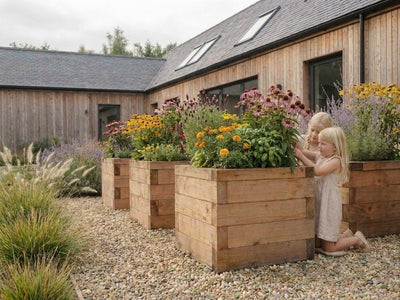
Autumn Landscaping & Decor: Creative Modular Raised Bed Ideas for Central Europe
21. 09. 2026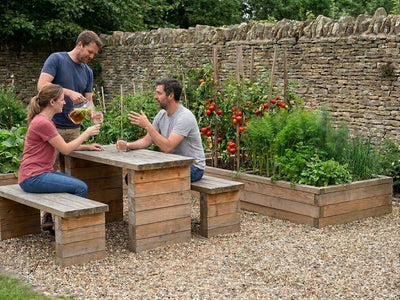
Design Your Autumn Oasis: Raised Beds with Integrated Seating & Fire Pits (No Tools Needed)
20. 09. 2026
AI Garden Designer: From Concept to Assembly & Cost Estimation for Your Raised Bed
17. 09. 2026