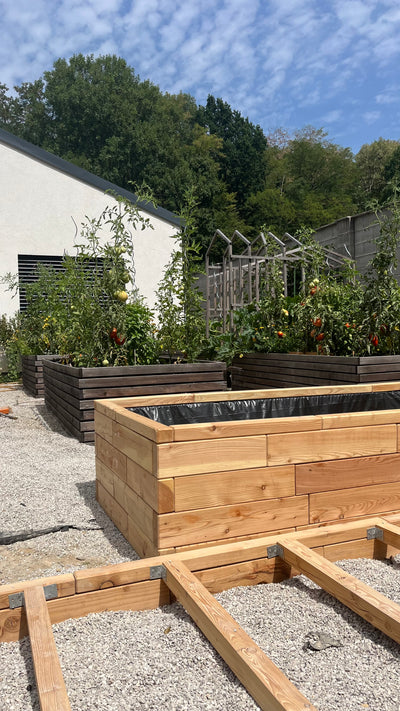
Autumn Landscaping & Decor: Creative Modular Raised Bed Ideas for Central Europe
Share
As the vibrant greens of summer begin to fade, autumn brings with it a unique palette of rich reds, oranges, yellows, and deep purples. This transitional season offers a wonderful opportunity to refresh your garden, especially your raised beds, with creative landscaping and decor that celebrates the harvest and prepares for the colder months. For gardeners across Central Europe, understanding the local climate and available materials is key to crafting beautiful, resilient autumn displays.
Raised garden beds, like the robust Brick Premium modular system with its solid 60mm larch planks, provide an excellent canvas for seasonal creativity. Their elevated structure ensures better drainage and warmer soil, which can extend the growing season slightly, allowing you to enjoy autumn blooms and late harvests longer.
Why are Raised Beds Ideal for Autumn Landscaping?
Raised beds offer significant advantages for autumn landscaping, primarily due to their improved soil conditions and structural appeal. The elevated nature of a raised bed means better drainage, which is crucial as autumn rainfall increases, preventing waterlogging that can harm plants and accelerate wood decomposition. Furthermore, the soil within a raised bed typically warms up faster in spring and retains heat longer into autumn than ground-level beds, extending the growing season for cool-season crops and ornamental plants.
From a design perspective, raised beds provide a defined structure that instantly elevates your garden's aesthetic. This clear boundary makes it easier to create cohesive seasonal displays. You can easily amend the soil to suit specific autumn plants, ensuring they have the best environment to thrive. For instance, plants that prefer slightly acidic soil, such as certain heathers or small conifers, can be grouped together without affecting surrounding garden areas. The contained nature also simplifies maintenance, allowing you to focus on specific autumn tasks like mulching or plant protection.
What Autumn Plants Thrive in Central European Raised Beds?
Many plants flourish in Central Europe's autumn, bringing colour and texture to your raised beds. Selecting the right species ensures your display remains vibrant as temperatures drop.
For striking visual appeal, consider hardy chrysanthemums, often available in a spectrum of autumn hues like rust, gold, and deep red. Ornamental cabbages and kales offer unique textures and colours, often intensifying in vibrancy after the first light frosts. Heathers (Calluna vulgaris) and sedums are excellent choices for their resilience and varied forms, with sedums providing architectural interest even as their flowers fade. Pansies and violas, especially the hardier varieties, can offer cheerful blooms well into late autumn, sometimes even re-emerging in early spring.
Beyond ornamentals, many cool-season edibles can still thrive in a raised bed during autumn. Spinach, lettuce, kale, and Swiss chard can often provide a continuous harvest until the hard frosts arrive. Root vegetables like carrots and radishes, planted in late summer, can sweeten with the cooler temperatures. The thermal mass of a well-constructed raised bed, such as those made from 60mm larch, helps insulate the soil, providing a slightly extended period for these crops.
| Plant Type | Key Features for Autumn | Typical Care | Visual Impact |
|---|---|---|---|
| Chrysanthemums | Wide range of autumn colours (red, orange, yellow, purple); long-lasting blooms. | Full sun, well-drained soil; deadhead spent blooms for continuous flowering. | Bold splashes of colour, traditional autumn feel. |
| Ornamental Cabbage/Kale | Striking foliage colours (pink, purple, white, green); frilly or wavy textures. Colours intensify with cold. | Full sun, moist soil; relatively low maintenance. | Architectural interest, unique textures, modern rustic aesthetic. |
| Heathers (Calluna) | Evergreen foliage, tiny flowers in white, pink, purple; hardy and low-growing. | Acidic soil, full sun to partial shade; minimal watering once established. | Ground cover, fine texture, subtle colour, excellent for filling gaps. |
| Sedums (Stonecrop) | Succulent foliage, late-season flowers (often pinks/reds) that dry beautifully. Extremely drought-tolerant. | Full sun, very well-drained soil; minimal water. | Structural interest, subtle colour, long-lasting form into winter. |
| Pansies/Violas | Cheery, small flowers in a vast array of colours; can bloom through mild frosts. | Partial sun, moist well-drained soil; deadhead regularly. | Bright accents, delicate beauty, good for edges or filling small spaces. |
| Cool-Season Greens (Spinach, Kale) | Edible foliage, can tolerate light frosts, continuous harvest. | Partial sun, consistent moisture; protect from severe frost. | Lush green texture, practical harvest, natural garden look. |
How Can I Create Stunning Autumn Visual Displays?
Crafting a visually appealing autumn display in your raised beds involves thoughtful layering, colour coordination, and incorporating varied textures. Begin by considering the overall colour scheme you wish to achieve, often drawing inspiration from the natural autumn landscape of Central Europe.
Layering and Height: Just like designing any garden space, think in terms of height. Place taller plants, such as ornamental grasses or upright chrysanthemums, towards the back or center of larger beds. Mid-height plants like compact ornamental kales or larger sedum varieties can fill the middle ground. Finally, use low-growing plants like pansies, violas, or creeping sedums along the edges to soften the bed's perimeter and provide spill-over interest. This layering creates depth and prevents the bed from looking flat.
Colour Palettes: Autumn offers a rich spectrum. You can opt for a warm palette of oranges, reds, and yellows, using plants like chrysanthemums and some heathers, combined with elements like pumpkins and gourds. Alternatively, a cooler palette of deep purples, blues, and silvers can be achieved with certain ornamental kales, purple fountain grass, and grey-foliage plants, perhaps accented with white pumpkins. Don't forget the rich greens of hardy evergreens or late-season leafy vegetables, which provide a grounding base for brighter hues.
Texture and Form: Mix different textures to add interest. The feathery plumes of ornamental grasses contrast beautifully with the broad leaves of ornamental cabbage or the delicate petals of pansies. The sturdy, architectural forms of dried sedum flower heads or bare branches from deciduous shrubs (if placed strategically) can provide structure even as other plants fade. Consider how light plays on these different textures throughout the day, especially the soft, golden light of autumn afternoons.
What Non-Plant Decor Elements Enhance Autumn Raised Beds?
Beyond living plants, incorporating natural and seasonal decor elements can significantly elevate the autumn aesthetic of your raised beds. These additions not only enhance visual appeal but also celebrate the bounty of the season.
Harvest Elements: Pumpkins and gourds are classic autumn decor. Arrange them artfully within and around your raised beds, varying their sizes, shapes, and colours. Indian corn, dried corn stalks, and bundles of wheat or hay can add a rustic, harvest-festival feel. Apples, pears, or even decorative squash (if protected from pests) can also be used for temporary, vibrant accents.
Natural Foraged Items: Look to your local environment for inspiration. Pinecones, fallen leaves in brilliant colours, acorns, and interesting branches can be gathered and artfully placed. A scattering of colourful leaves on the soil surface not only looks beautiful but also acts as a natural mulch, helping to retain moisture and suppress weeds. Moss or lichen-covered branches can add an ancient, woodland charm.
Lighting: As days shorten, subtle lighting can create a magical atmosphere in the evenings. Solar-powered fairy lights woven through plants or around the bed's perimeter can cast a gentle glow. Small, battery-operated lanterns or LED candles (safely placed) can highlight specific features or create a warm, inviting ambiance. Remember to choose options suitable for outdoor use and the Central European climate.
Containers and Accessories: Small ceramic pots filled with individual mums, lanterns, or even bird feeders can be placed on the edges of wider raised beds or on adjacent garden paths. Consider small, decorative signs with autumn themes or rustic garden stakes to add personality. For the L-shape or U-shape configurations, the corner sections offer natural focal points for these larger decorative elements.
How Do Modular Raised Beds Adapt to Autumn Themes?
Modular raised garden beds, like the Brick Premium system, offer unparalleled flexibility when it comes to adapting your garden for seasonal themes, including autumn. Their snap-in connector system allows for easy reconfiguration and expansion, which is a significant advantage over fixed, single-piece raised beds.
Custom Shapes and Sizes: GridGarden's modular design means you're not limited to simple rectangles. You can create L-shapes, U-shapes, or even more intricate custom configurations using the online Bed Wizard configurator. This flexibility is perfect for autumn landscaping:
- L-shaped beds: Can define a cozy autumn seating area, with one arm dedicated to ornamental displays and the other to late-season edibles.
- U-shaped beds: Create a natural "hug" around a central autumn decor element, like a large pumpkin display or a rustic bird bath, making it a focal point.
- Multi-tiered designs: While not strictly a different shape, some modular systems allow for varying heights. A lower tier could house sprawling gourds, while a higher tier showcases upright ornamental grasses.
Seasonal Expansion or Contraction: If you want to create a grander autumn display than your usual growing area allows, you can temporarily expand your raised bed system. Add extra planks to create a larger section for a festive pumpkin patch or a dedicated area for autumn-themed container plants. Once the season is over, you can easily disassemble these temporary additions or reconfigure them for winter storage or next year's spring planting. This adaptability makes it simpler to experiment with different autumn layouts each year without committing to permanent changes.
Durability and Aesthetics: The solid 60mm European red larch planks of GridGarden's Brick Premium line offer not only exceptional durability—expect 15-25 years in an ordinary garden; with good drainage and no standing water, 25+ years—but also a natural, warm aesthetic that perfectly complements autumn colours. The untreated larch weathers beautifully, developing a silvery patina over time that adds to its rustic charm, making it an ideal backdrop for vibrant autumn foliage and harvest decor.
What Care Do Autumn Raised Beds Need for Longevity?
Proper care for your raised beds in autumn is essential, not just for the current season's display but also for the long-term health of your plants and the longevity of the bed structure itself. Preparing your beds for winter will ensure a healthy start next spring.
Soil Health: As you harvest summer crops or remove spent autumn annuals, it's a good time to replenish your soil. Add a layer of compost or well-rotted manure to restore nutrients. This organic matter will break down over winter, improving soil structure and fertility. Avoid tilling extensively in autumn; instead, let the organic matter slowly integrate. This is also a good time to test your soil pH if you suspect any imbalances.
Mulching: A generous layer of organic mulch is incredibly beneficial in autumn. Straw, shredded leaves, wood chips (especially around perennial plants), or even a layer of compost will insulate the soil, protecting plant roots from freezing and thawing cycles that can heave them out of the ground. Mulch also suppresses winter weeds and continues to enrich the soil as it decomposes. For beds with late-season edibles, a row cover or cloche can extend the harvest period by a few extra weeks.
Watering: While rainfall typically increases in autumn, periods of dry weather can still occur. Continue to water deeply until the ground freezes, especially for newly planted evergreens or late-season perennials. Adequate moisture going into winter helps plants withstand cold temperatures. However, ensure your raised bed has good drainage to prevent waterlogging, which can be detrimental to roots and the wood structure.
Bed Structure Maintenance: Inspect the planks of your raised bed for any signs of wear or damage. While GridGarden's 60mm larch beds are built for durability, routine checks are always good practice. Clear any debris that might accumulate in corners or against the wood, as prolonged moisture contact can affect longevity. The modular design simplifies any potential future adjustments or repairs, ensuring your bed remains a sturdy feature for many years.
Can Raised Beds Be Used for Autumn Harvest and Winter Prep?
Absolutely, raised beds are highly versatile for both late-season harvesting and crucial winter preparation, making them a productive asset through autumn. Many cool-season vegetables actually sweeten in flavour after exposure to light frosts, providing a delicious extension to your gardening season.
Extended Harvests: With the slightly warmer soil temperatures and better drainage offered by raised beds, you can often continue harvesting crops like spinach, kale, Swiss chard, carrots, radishes, and certain varieties of lettuce well into late autumn, sometimes even into early winter in milder Central European zones. Planting these crops in late summer allows them to mature before the deepest cold sets in. You might also consider planting garlic in autumn for a harvest next summer; the raised bed offers ideal drainage for this crop.
Winter Crop Protection: For continued harvests or protecting overwintering plants, raised beds make it easy to add temporary protection. Simple hoops covered with horticultural fleece or clear plastic can create mini-greenhouses, shielding plants from harsh winds and heavy frosts. This can extend the harvest of leafy greens by several weeks, or even allow hardy root vegetables to remain in the ground until needed. The defined boundaries of a raised bed simplify the installation of such protective structures.
Soil Building for Next Season: Autumn is an ideal time to focus on building healthy soil for the following year. Once your autumn harvests are complete, you can add a generous layer of compost, well-rotted manure, or other organic matter to your raised beds. Consider planting a cover crop, such as winter rye or clover, which will protect the soil from erosion, suppress weeds, and add organic matter when tilled under in spring. The contained nature of a raised bed makes managing these soil amendments and cover crops particularly efficient. This proactive approach ensures your raised bed is primed for vigorous growth when spring arrives.
For more detailed guidance on getting started with your raised bed garden, including year-round planning, visit our How to Start a Raised Bed Garden guide.
Key Takeaways for Autumn Raised Bed Decor:
- Raised beds offer superior drainage and warmer soil, ideal for extending the autumn growing and display season in Central Europe.
- Select hardy autumn plants like chrysanthemums, ornamental kales, heathers, and late-season edibles for vibrant displays and harvests.
- Utilize layering, colour coordination, and varied textures to create visually stunning autumn arrangements.
- Enhance your beds with non-plant decor such as pumpkins, gourds, foraged natural items, and subtle lighting.
- Modular raised beds, like GridGarden's 60mm larch system, provide flexibility for custom shapes and seasonal expansion, perfectly adapting to diverse autumn themes.
- Proper autumn care, including soil replenishment, mulching, and structural checks, ensures the longevity of your raised bed and prepares it for the next growing season.
Frequently Asked Questions
What is the best way to protect my raised bed plants from early autumn frosts?
To protect your raised bed plants from early autumn frosts, consider using horticultural fleece, row covers, or cloches. These can be draped over plants or supported by hoops, creating a microclimate that insulates against cold temperatures. For GridGarden's modular beds, their defined structure makes it easy to install temporary protective frameworks.
Can I leave autumn decorations in my raised bed over winter?
Many natural autumn decorations, such as dried corn stalks, pinecones, and hardy gourds, can often be left in your raised bed over winter, adding continued interest. However, soft gourds and pumpkins will eventually decompose and should be removed before they become too mushy to prevent attracting pests or introducing diseases. Non-organic decorations like solar lights can typically remain if they are rated for outdoor winter use.
How do I prepare my raised bed soil for next spring after autumn planting?
After your autumn planting and harvests are complete, prepare your raised bed soil for next spring by adding a generous layer of high-quality compost or well-rotted manure. You can also plant a cover crop like winter rye or crimson clover, which will protect the soil, add nutrients, and improve structure. These organic materials will break down over winter, enriching the soil for the next growing season.
Are GridGarden's raised beds suitable for year-round outdoor use in Central Europe?
Yes, GridGarden's Brick Premium raised beds, constructed from solid 60mm European red larch, are designed for year-round outdoor use across Central Europe. Larch is naturally durable, rated EN 350 durability class 3-4 untreated. You can expect 15-25 years in an ordinary garden; with good drainage and no standing water, 25+ years. Their robust construction and natural resistance to decay make them ideal for enduring various weather conditions.
Can I easily reconfigure my GridGarden raised bed for different seasonal themes?
Yes, one of the key advantages of GridGarden's Brick Premium system is its modularity. The snap-in connector system allows you to easily reconfigure the shape and size of your raised beds. This flexibility means you can adapt your bed layout for different seasonal themes, expanding for a larger autumn display or adjusting shapes to create new focal points, all with minimal effort. You can experiment with designs using our online Bed Wizard configurator.
Related Articles
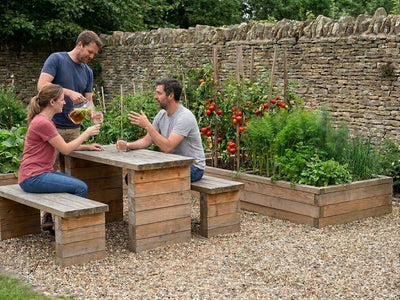
Design Your Autumn Oasis: Raised Beds with Integrated Seating & Fire Pits (No Tools Needed)
20. 09. 2026
Autumn Raised Bed Design: Landscaping & Late-Season Growing for Central Europe
19. 09. 2026
Mastering GridGarden Studio: Planning Complex Multi-Level Raised Bed Gardens with Ease
18. 09. 2026