Raised Bed Systems Compared: Modular (GridGarden) vs. Kits vs. Custom Builds – What's Best for Your Garden?
Share
Deciding to add raised beds to your garden is an exciting step towards more productive and enjoyable gardening. But once you've made that decision, another critical choice emerges: what kind of raised bed system is right for you? The market offers a range of options, from ready-made kits to fully custom-built solutions, and innovative modular systems. Understanding the differences in materials, costs, assembly, and long-term value is key to making an informed choice that will serve your garden for years to come.
What are the main types of raised bed systems?
Raised bed systems generally fall into three main categories: pre-designed kits, fully custom builds (DIY), and advanced modular systems, each offering distinct advantages and considerations for gardeners.
Modular Raised Bed Systems (GridGarden Brick Premium)
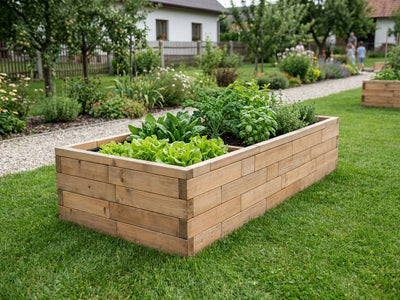
Modular systems represent a modern approach to raised bed design, prioritizing flexibility, expandability, and ease of assembly. GridGarden's Brick Premium line exemplifies this, featuring robust 60 mm thick planks of European red larch (Larix decidua) that connect using a unique snap-in system. This design allows gardeners to create not just standard rectangles, but also L-shapes, U-shapes, and truly custom configurations through the GridGarden Studio 3D configurator. The core benefit is the ability to adapt and expand your garden layout over time, without needing to replace entire structures. These systems are designed for durability and a premium aesthetic, often requiring minimal tools for quick assembly.
Pre-designed Raised Bed Kits
Raised bed kits are popular for their convenience and straightforward approach. These kits typically come with all the necessary pre-cut materials and hardware, ready for assembly. Common materials include thinner wooden planks (often 18 mm or 40 mm spruce or pine), metal, or composite materials. While kits simplify the buying process and eliminate the need for cutting or extensive planning, they usually offer fixed dimensions and shapes, primarily rectangular. They are generally a good option for gardeners looking for a quick, standard solution without much fuss.
Custom-Built Raised Beds (DIY)
Custom-built or DIY raised beds offer the ultimate freedom in design, allowing you to tailor every aspect to your specific needs and garden aesthetics. This approach involves sourcing materials yourself, such as locally available lumber (e.g., 18 mm or 40 mm spruce, pine, or even more durable woods like oak), concrete blocks, stone, or repurposed materials. While DIY can potentially be the most budget-friendly option initially if you have access to free or inexpensive materials and possess the necessary tools and skills, it demands significant time for planning, material acquisition, cutting, and construction. The quality and lifespan of a custom build heavily depend on the chosen materials and the builder's craftsmanship.
How do materials and durability compare across systems?
Materials and their inherent durability are perhaps the most significant factors influencing the lifespan and long-term value of any raised bed system. There's a wide spectrum of choices, each with its own characteristics.
GridGarden Brick Premium Modular Beds: Our system exclusively uses solid 60 mm thick European red larch. Larch is renowned for its natural resistance to rot and insects, classified as EN 350 durability class 3-4 untreated. This means it offers excellent durability without the need for chemical treatments. With good drainage and no standing water, you can expect these beds to last 25+ years; in an ordinary garden, a lifespan of 15-25 years is typical. The substantial 60 mm thickness further contributes to its structural integrity and longevity, making it a robust choice for Central European climates.
Standard Raised Bed Kits: Kits often use thinner wood, commonly 18 mm or 40 mm thick spruce or pine. While these materials are more affordable, untreated spruce or pine typically has a shorter lifespan, often ranging from 5-10 years, especially when in direct contact with moist soil. Some kits may use pressure-treated wood, which can extend the lifespan to 10-15 years, but gardeners often prefer untreated options for growing edible plants. Metal kits (like galvanized steel) can last longer, often 15-20 years, but may heat up more in direct sun. Composite materials offer good durability, typically 15-25 years, but can be more expensive and may not offer the natural aesthetic of wood.
Custom-Built Raised Beds: The durability of a DIY raised bed is entirely dependent on the materials you choose and the quality of construction. If you opt for inexpensive local spruce or pine boards (e.g., 18 mm or 40 mm), you can expect a similar lifespan to basic kits, perhaps 5-10 years untreated. Choosing more durable woods like oak or investing in thicker larch planks (if you can source them) for your DIY project can significantly extend the lifespan, potentially matching or even exceeding that of premium kits. Non-wood materials like concrete blocks or natural stone can last for decades, virtually indefinitely, but come with higher initial material costs and much more intensive construction. When considering materials for your raised bed, remember that GridGarden focuses solely on the long-term value and natural durability of 60 mm larch.
What are the cost implications and Total Cost of Ownership (TCO)?
When evaluating raised bed systems, it's crucial to look beyond the initial purchase price and consider the Total Cost of Ownership (TCO). This includes not only the upfront expense but also factors like lifespan, maintenance, and potential replacement costs over time. For a deeper dive into initial costs, explore our article on How Much Does a Raised Bed Cost?
Initial Cost:
- Custom Builds (DIY): These can have the lowest initial material cost, especially if you use readily available or repurposed materials like standard spruce boards (18 mm or 40 mm) or concrete blocks. However, don't forget to factor in the cost of tools you might need to buy or rent, transport for bulky materials, and the significant investment of your own time and labor.
- Raised Bed Kits: Kits typically fall into a mid-range price bracket. You pay for the convenience of pre-cut materials and included hardware, but they generally use thinner and less durable wood than premium modular systems.
- Modular Systems (GridGarden Brick Premium): The initial investment for a GridGarden Brick Premium bed is typically higher than for basic kits or simple DIY projects. This reflects the premium quality of the 60 mm European red larch, the sophisticated modular design, and the engineering behind the snap-in connector system.
Total Cost of Ownership (TCO):
The TCO paints a different picture, often highlighting the value of durability and longevity.
- GridGarden Brick Premium: While the initial cost is higher, the TCO is often lower in the long run. With an expected lifespan of 15-25 years (or 25+ years in ideal conditions) for the 60 mm larch, you avoid the need for frequent replacements. The low maintenance requirements and the ability to easily expand or reconfigure the beds further contribute to long-term savings and value.
- Raised Bed Kits: Kits, especially those made from thinner (18 mm or 40 mm) untreated wood, may have a higher TCO. While cheaper upfront, they might need replacement every 5-10 years, leading to recurring material and labor costs. Even treated wood kits might only last 10-15 years, still requiring earlier replacement than premium larch.
- Custom Builds (DIY): The TCO for a DIY bed is highly variable. If you invest in high-quality, durable materials like thick larch, oak, or stone, your TCO could be very low over several decades. However, if you opt for cheaper, less durable wood like thin spruce (18 mm or 40 mm), you'll likely face replacement costs and the associated time and effort much sooner, pushing your TCO higher. The labor cost (your time) is also a significant, often overlooked, component of TCO for DIY projects.
Considering the TCO helps gardeners understand that a higher initial investment in a durable, well-designed system like GridGarden's 60 mm larch can be more economical and sustainable over the full life cycle of your garden.
How much flexibility and customization do you get?
The degree of flexibility and customization offered by each raised bed system can significantly impact your garden's design and future adaptability.
Modular Systems (GridGarden Brick Premium): This is where modular systems truly shine. GridGarden offers unparalleled flexibility. Our free GridGarden Studio 3D configurator allows you to design custom rectangular, L-shape, U-shape, or even more complex configurations to fit your exact garden space. The snap-in connector system means you can easily expand your beds later, adding height or length, or even reconfiguring the layout as your gardening needs evolve. The AI Garden Designer also helps visualize your ideas. This adaptability makes modular systems ideal for gardeners with changing plans or unique garden layouts.
Raised Bed Kits: Kits are generally limited in terms of customization. They come in predetermined sizes and shapes, almost exclusively rectangular. While you might find a kit that perfectly fits a specific spot, you typically can't adjust its dimensions or combine multiple kits to create a larger, custom shape without significant modification. This fixed nature can be a limitation for gardeners with irregular spaces or those who anticipate expanding their garden in the future.
Custom-Built Raised Beds (DIY): Custom builds offer theoretical limitless design freedom. You can create any shape, size, or height you desire, constrained only by your skills, tools, and budget for materials. However, this freedom comes at the cost of significant planning and labor. Every cut, every joint, and every measurement must be precise. While you can achieve a unique design, making changes or expanding a custom-built bed later can be as complex and labor-intensive as the initial build, often requiring deconstruction and rebuilding.
What's the assembly process like for each system?
The ease and speed of assembly can be a significant factor, especially for gardeners who prefer to spend their time planting rather than building. For more general advice on getting started, see our How to Start a Raised Bed Garden guide.
Modular Systems (GridGarden Brick Premium): GridGarden's snap-in connector system is designed for quick and straightforward assembly. The 60 mm larch planks simply slide and lock into place, often requiring minimal tools, typically just a rubber mallet. Many gardeners find they can assemble a standard bed in under an hour. This ease of assembly makes it accessible even for those with limited DIY experience, allowing you to get your garden ready for planting much faster.
Raised Bed Kits: Kits generally offer a manageable assembly process. They come with pre-drilled holes and all the necessary hardware (screws, bolts, corner brackets). You'll typically need basic tools like a drill, screwdriver, and perhaps a wrench. Assembly time can vary from one to a few hours, depending on the size and complexity of the kit. While relatively simple, it still involves more steps and tools than a snap-in modular system.
Custom-Built Raised Beds (DIY): The assembly of a custom-built raised bed is by far the most labor-intensive and time-consuming. It involves everything from measuring and cutting lumber to drilling, fastening, and potentially leveling. If you're working with materials like concrete blocks or stone, it can also involve mixing mortar and significant physical labor. A complex custom build might take a full weekend or even longer, depending on your skills and the design. This option is best suited for experienced DIYers who enjoy the building process itself.
Which system is best for different gardening needs?
The "best" raised bed system is ultimately subjective, depending on your individual priorities, budget, gardening goals, and comfort level with DIY projects. Each system caters to a different gardener profile.
Modular Systems (GridGarden Brick Premium) are ideal for:
- Gardeners seeking a premium, long-lasting solution with natural, chemical-free materials.
- Those who value flexibility and want the option to expand, reconfigure, or add to their raised beds in the future.
- Individuals with unique garden layouts or who desire L-shape, U-shape, or custom configurations.
- Anyone looking for an easy, quick assembly process with minimal tools.
- Gardeners who appreciate a sophisticated aesthetic and a system designed for longevity (15-25 years, 25+ in ideal conditions).
- Those who prioritize long-term value and lower Total Cost of Ownership over the initial purchase price.
Raised Bed Kits are a good fit for:
- Beginner gardeners or those new to raised beds who want a simple, ready-to-assemble option.
- Individuals with a standard rectangular space and clear, unchanging needs.
- Gardeners on a tighter initial budget who are willing to accept a potentially shorter lifespan (e.g., 5-10 years for untreated spruce 18mm/40mm) and less flexibility.
- Those who prefer a straightforward, albeit often less durable, solution without the need for extensive planning.
Custom-Built Raised Beds (DIY) are best for:
- Experienced DIY enthusiasts with woodworking or masonry skills and a full set of tools.
- Gardeners with a very specific, unique design vision that cannot be met by kits or modular systems.
- Individuals who enjoy the process of building and have ample time to dedicate to planning, sourcing materials, and construction.
- Those who can source inexpensive or repurposed materials, potentially leading to a very low initial cost (but variable TCO depending on material durability).
Ultimately, your choice will reflect a balance between initial investment, desired lifespan, aesthetic preferences, and the amount of time and effort you're willing to put into the project. For a comprehensive overview of all considerations, check out our Raised Bed Buying Guide or the Complete Guide to Raised Garden Beds in Europe.
| Feature | Modular (GridGarden Brick Premium) | Standard Kit (e.g., 18-40mm Spruce) | Custom DIY (e.g., 18-40mm Spruce) |
|---|---|---|---|
| Material Thickness | 60 mm Larch | Typically 18-40 mm Spruce/Pine/Metal/Composite | Highly variable (e.g., 18-40 mm Spruce, or thicker if sourced) |
| Durability/Lifespan | 15-25 years (ordinary garden), 25+ years (ideal conditions) | 5-10 years (untreated wood), 10-15 years (treated wood), longer for metal/composite | Variable (e.g., 5-10 years for untreated thin spruce, decades for stone/thick larch) |
| Assembly Difficulty | Very easy (snap-in system, minimal tools) | Easy to moderate (pre-drilled, basic tools needed) | Difficult (requires planning, cutting, tools, skills) |
| Customization | Excellent (any shape/size via configurator, expandable) | Limited (fixed dimensions, usually rectangular) | Unlimited (full design freedom, but complex to change) |
| Initial Cost | Higher (premium materials, engineering) | Mid-range (convenience, standard materials) | Potentially lowest (depends on material sourcing, DIY labor) |
| Total Cost of Ownership (TCO) | Lower (long lifespan, low maintenance, expandability) | Higher (shorter lifespan, potential replacements) | Highly variable (low if durable materials & good build, high if frequent replacement) |
Key Takeaways
- Modular systems like GridGarden Brick Premium offer premium 60 mm larch durability, unparalleled design flexibility, and easy assembly for long-term value.
- Raised bed kits provide convenience and a straightforward initial purchase for standard rectangular beds, but often with shorter lifespans and limited customization.
- Custom-built raised beds offer ultimate design freedom for experienced DIYers, with costs and durability highly dependent on material choices and construction quality.
- Consider the Total Cost of Ownership (TCO) – including lifespan, maintenance, and replacement – not just the initial price, when making your decision.
- GridGarden's focus on 60 mm European red larch ensures a naturally durable, chemical-free, and adaptable solution for Central European gardens.
Frequently Asked Questions
Are GridGarden raised beds truly modular?
Yes, GridGarden raised beds are designed with a unique snap-in connector system that allows you to easily assemble, expand, or reconfigure your beds. You can create rectangular, L-shape, U-shape, and custom designs using our online configurator, and add height or length components later as your gardening needs evolve.
How long do GridGarden raised beds last?
GridGarden raised beds are made from solid 60 mm European red larch, which is naturally durable (EN 350 class 3-4 untreated). You can expect 15-25 years in an ordinary garden; with good drainage and no standing water, they can last 25+ years.
Can I expand a GridGarden bed later?
Absolutely. The modular design of GridGarden's Brick Premium system means you can easily purchase additional planks and connectors to extend the length, width, or height of your existing raised bed without needing to dismantle the entire structure.
What's the best material for a raised bed?
The "best" material depends on your priorities. For natural durability, aesthetic appeal, and longevity without chemical treatment, solid 60 mm European red larch (like GridGarden uses) is an excellent choice. Other options include thinner spruce or pine (more affordable but shorter lifespan), metal (durable but can heat up), or stone/concrete (very durable but labor-intensive and costly).
Is a custom-built raised bed always cheaper?
Not necessarily. While the initial material cost for a custom build can be lower if you use inexpensive lumber or repurposed materials, you must factor in the cost of tools, transportation, and your own labor time. If you opt for more durable materials for a custom build, the initial cost can quickly exceed that of a kit or even a premium modular system, though its TCO might be lower in the very long term.
Ready to design the raised bed system that's perfect for your garden? Explore the possibilities with our free 3D configurator.
Related Articles
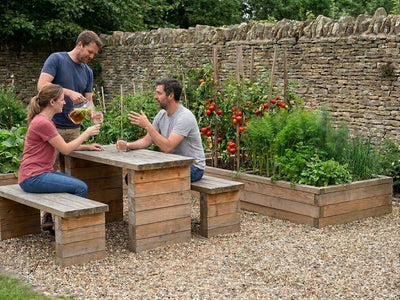
Design Your Autumn Oasis: Raised Beds with Integrated Seating & Fire Pits (No Tools Needed)
20. 09. 2026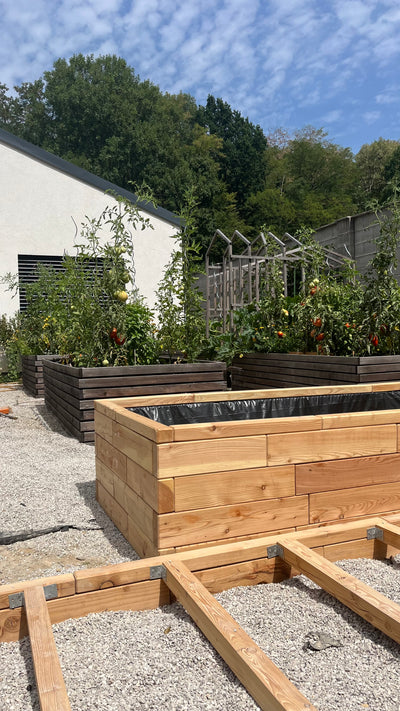
AI Garden Designer: From Concept to Assembly & Cost Estimation for Your Raised Bed
17. 09. 2026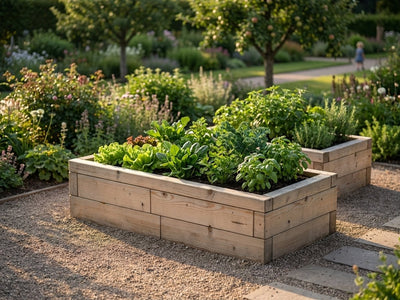
Raised Bed Buying Guide for First-Time Builders: What You Need (Spoiler: No Power Tools)
16. 09. 2026