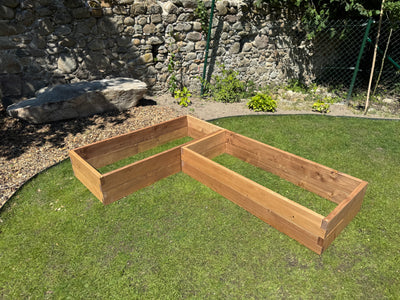
Transform Your Garden Corner: Modular Raised Beds and Integrated Seating
Share
Every garden has that one corner. Perhaps it's a neglected patch, a tricky angle, or just an uninspired space waiting for a purpose. Instead of letting it gather weeds or serve as a mere transition zone, imagine transforming it into a vibrant, functional focal point. This guide explores how modular raised garden beds, especially when paired with integrated seating, can unlock the full potential of your garden's often-overlooked corners, turning them into beautiful and practical outdoor living areas.
Why Focus on Your Garden Corner?
Your garden corner, despite its often awkward shape or limited visibility, holds significant potential to enhance your outdoor living experience. These spaces are frequently underutilized, yet with thoughtful design, they can become tranquil retreats, productive mini-gardens, or charming social hubs.
Transforming a garden corner offers several benefits. Firstly, it maximizes the usable space in your garden, especially if you have a smaller plot where every square meter counts. By defining the area with structure, you create a sense of purpose and order. Secondly, a well-designed corner can become a captivating focal point, drawing the eye and adding visual interest to your overall landscape. It's an opportunity to experiment with different plant combinations, textures, and heights that might not fit elsewhere. Finally, creating a dedicated space in a corner can offer a sense of enclosure and privacy, making it feel like a secluded oasis for relaxation, reading, or enjoying a morning coffee. It's a chance to extend your home's living area outdoors, providing a fresh perspective on your garden.
What Makes Modular Raised Beds Ideal for Corner Design?
Modular raised beds are exceptionally well-suited for garden corner designs due to their inherent flexibility and adaptability. Unlike rigid, pre-fabricated kits or traditional landscaping methods, a modular system allows you to build custom shapes and sizes that perfectly conform to the unique angles and dimensions of any corner.
GridGarden's Brick Premium system, crafted from solid 60 mm European red larch planks, exemplifies this versatility. Its innovative snap-in connector system simplifies assembly, allowing you to create L-shape, U-shape, or even more complex custom configurations with ease. This means you're not limited to standard rectangular beds that might leave awkward gaps or fail to fully utilize the space. Instead, you can design a bed that precisely fits your corner, maximizing planting area and aesthetics. The robust 60 mm larch planks provide a sturdy and attractive structure that is built to last, with an expected lifespan of 15-25 years in an ordinary garden, and 25+ years with good drainage and no standing water. For inspiration on various configurations, explore our guide on L-Shape & U-Shape Raised Beds. This adaptability ensures that even the most challenging garden corners can be transformed into beautiful and functional features, tailored exactly to your vision.
How Can You Integrate Seating into Your Raised Bed Design?
Integrating seating directly into your raised bed design is a brilliant way to create a cohesive and functional outdoor living space, turning a gardening area into a relaxation zone. This approach blurs the lines between planter and patio, offering both beauty and utility in one elegant solution.
One popular method involves extending the top plank of a raised bed to create a wide, stable capstone that functions as a bench. This can be particularly effective with GridGarden's 60 mm larch planks, which offer substantial thickness and durability for comfortable seating. Imagine an L-shaped raised bed where one or more sides feature a wider top edge, inviting you to sit down amidst your plants. Another option is to design a dedicated bench section that is structurally integrated with the raised bed itself, perhaps using the same larch planks for a seamless look. This could involve a lower, wider section of the bed specifically designed for sitting, or even a separate, freestanding bench that nestles perfectly into an alcove created by the raised beds. The key is to ensure the seating is comfortable, stable, and harmonizes with the overall design and materials of your raised beds. Using the same European red larch for both the beds and any integrated seating ensures a consistent aesthetic and matching durability, creating a truly unified and inviting garden corner.
What Design Principles Should Guide Your Corner Makeover?
Guiding your garden corner makeover with thoughtful design principles ensures the resulting space is not only beautiful but also highly functional and harmonious with your overall garden. It's about creating a balanced environment that serves its intended purpose, whether for relaxation, cultivation, or both.
Firstly, consider the "flow" of your garden. How will people move to and through this corner? Ensure pathways are clear and inviting. Next, establish a focal point. While the raised beds and integrated seating will naturally draw attention, you might enhance this with a striking plant, a piece of garden art, or unique lighting. Think about the microclimate of your corner – sun exposure, wind patterns, and drainage will influence plant selection. For instance, a sunny corner is perfect for herbs or vegetables, while a shadier spot might suit ferns or hostas. Plant selection should also consider height and texture; taller plants can provide a backdrop or privacy, while lower-growing varieties can soften the edges of the beds. Don't forget about privacy; if your corner is exposed, taller beds or carefully chosen plants can create a secluded feel. For those with sloped gardens, remember that Raised Beds as Retaining Walls can also be a functional and attractive solution. Finally, consider how the new corner will look from various vantage points in your garden and home. Tools like the GridGarden Studio configurator, with its AI Garden Designer, can help you visualize these elements before you even start building, ensuring your design truly comes to life.
DIY vs. Modular Kit: Which Approach is Best for Your Corner?
When transforming a garden corner, deciding between a do-it-yourself (DIY) build and a modular kit is a crucial first step, as each approach offers distinct advantages and challenges. While DIY can offer a sense of personal accomplishment, modular kits typically provide superior precision, speed, and design flexibility, especially for complex corner designs.
A DIY approach often involves sourcing lumber from local hardware stores, commonly spruce or pine planks that are typically 18mm or 40mm thick. While this might seem cost-effective initially, it requires significant time for cutting, measuring, drilling, and assembly, often demanding specialized tools and carpentry skills. The durability of these thinner, untreated woods is generally limited, often lasting only 5-10 years, and they are more prone to warping, rotting, or insect damage without consistent maintenance or chemical treatments. Design flexibility is also constrained by your woodworking ability, usually limiting you to basic rectangular or square shapes.
In contrast, a modular kit like the GridGarden Brick Premium system, made from solid 60 mm European red larch, offers a streamlined and robust solution. The pre-cut, precisely engineered planks and snap-in connectors mean assembly is significantly faster and requires minimal tools, making it accessible even for novice gardeners. The 60 mm larch provides exceptional durability, expected to last 15-25 years in an ordinary garden, and 25+ years in ideal conditions, without chemical treatment. This translates to less maintenance and a much longer lifespan. Crucially, the modularity allows for effortless creation of L-shape, U-shape, and custom configurations that perfectly fit challenging garden corners, and the system is fully expandable and reconfigurable should your needs change. The premium larch finish also offers a consistently attractive, modern aesthetic that elevates the garden's overall look. For a deeper dive into the benefits of raised beds, consult our Complete Guide to Raised Garden Beds in Europe.
| Feature | DIY (e.g., 18mm/40mm Spruce) | GridGarden Brick Premium (60mm Larch) |
|---|---|---|
| Material & Thickness | Locally sourced spruce, pine, or similar; typically 18-40mm thick. | European red larch (Larix decidua), solid 60mm thick planks. |
| Durability & Lifespan | Typically 5-10 years; prone to rot, warping, and insect damage without intensive treatment. | Solid 60 mm larch, no chemical treatment. Expect 15-25 years in an ordinary garden; with good drainage and no standing water, 25+ years. |
| Assembly Complexity | Requires cutting, drilling, precise measuring, and often specialized tools; can be time-consuming and challenging. | Simple snap-in connector system; minimal tools required (e.g., rubber mallet); quick and straightforward. |
| Design Flexibility | Limited to basic shapes (squares, rectangles) without advanced carpentry skills. Custom shapes are very difficult. | Highly modular; easily creates L-shape, U-shape, or custom configurations via online configurator. |
| Expandability & Reconfigurability | Difficult to expand or reconfigure once built, often requiring partial or full deconstruction. | Fully expandable and reconfigurable; easily add sections or change layout over time. |
| Aesthetics | Often rustic, can be inconsistent in finish and alignment depending on skill level. | Premium, uniform, and modern look with clean lines and high-quality larch wood finish. |
| Long-term Investment | Lower initial material cost, but higher time investment, ongoing maintenance, and shorter lifespan. | Higher initial material cost, but lower time investment, minimal maintenance, and significantly longer lifespan. |
How to Plan and Execute Your Garden Corner Transformation?
Planning and executing your garden corner transformation, especially with modular raised beds and integrated seating, involves a series of steps that ensure a smooth process and a successful outcome. Starting with a clear vision and thoughtful preparation will make all the difference.
- Find Inspiration: Begin by gathering ideas. Look at various garden designs, consider what aesthetic appeals to you, and think about how you want to use the space. Do you envision a vibrant herb garden, a cozy reading nook, or a place for entertaining?
- Measure Your Space: Accurately measure the dimensions of your garden corner. Pay attention to angles, existing features like fences or walls, and any slopes. These measurements are crucial for designing a bed that fits perfectly.
- Design with a Configurator: Utilize the GridGarden Studio configurator. This free 3D tool allows you to input your measurements and experiment with different shapes (L-shape, U-shape, custom), heights, and even integrate seating elements. The AI Garden Designer can help visualize your ideas in your actual garden setting, providing a realistic preview.
- Prepare the Site: Once your design is finalized, prepare the ground. Clear any existing vegetation, level the area as much as possible, and ensure good drainage. Laying down a weed barrier is often recommended to prevent unwanted growth.
- Assemble Your Raised Beds: With GridGarden's snap-in system, assembly is straightforward. Follow the instructions, using a rubber mallet to secure the planks. This process is typically quick and requires minimal tools.
- Integrate Seating: If your design includes integrated seating, ensure it is securely attached and stable. Consider comfortable cushions or throws to enhance the seating experience.
- Fill and Plant: Fill your raised beds with a high-quality soil mix. For guidance on this step, refer to our article on How to Start a Raised Bed Garden. Choose plants that thrive in your corner's specific conditions and complement your design aesthetic.
- Add Finishing Touches: Incorporate lighting, decorative elements, or small tables to complete your new outdoor living space. Regular maintenance, such as watering and occasional cleaning of the larch wood, will keep your corner looking its best for years to come.
Key Takeaways
- Modular raised beds, particularly those made from durable 60 mm larch like GridGarden's Brick Premium, offer unparalleled flexibility for transforming awkward garden corners.
- Integrating seating directly into your raised bed design creates a cohesive, functional, and inviting outdoor living space, maximizing both gardening and relaxation potential.
- Careful planning using tools like the GridGarden Studio configurator ensures your design perfectly fits your space and vision.
- Choosing a robust modular system over DIY alternatives saves time, effort, and provides a significantly longer-lasting, more aesthetically pleasing result.
- A well-designed garden corner can become a beautiful focal point, enhance privacy, and extend your home's usable living area outdoors.
Frequently Asked Questions
How do I choose the right size for my garden corner?
Start by accurately measuring the longest and widest points of your corner. Then, use the GridGarden Studio configurator to experiment with different dimensions. Consider how much planting space you need, how much seating you desire, and ensure there's enough room for comfortable movement around the beds. It's often helpful to mark out the intended footprint on the ground with string or chalk before finalizing your design.
What kind of maintenance does larch wood require?
European red larch (Larix decidua) is naturally durable and resistant to rot, requiring minimal maintenance. For GridGarden's 60 mm planks, no chemical treatment is necessary. Over time, the wood will naturally weather to a beautiful silver-grey patina. If you prefer to maintain its original warm red-brown hue, you can apply a natural wood oil or stain, typically once every 1-2 years. Regular cleaning with a brush and water can help remove dirt and prevent moss buildup.
Can I combine a raised bed with a retaining wall in a corner?
Yes, modular raised beds are excellent for combining with retaining wall functions, especially in sloped garden corners. The robust 60 mm larch planks and sturdy construction of systems like GridGarden's Brick Premium can effectively hold back soil and create level planting areas. This dual functionality allows you to transform an uneven corner into a terraced, usable space that also offers integrated planting and seating. For more detailed insights, you can explore our article on Raised Beds as Retaining Walls.
What are the best plants for a raised bed with integrated seating?
When selecting plants for a raised bed with integrated seating, prioritize varieties that are low-maintenance, non-invasive, and won't obstruct the seating area. Aromatic herbs like lavender, rosemary, or thyme are excellent choices as they release pleasant scents when brushed. Edible plants like leafy greens, strawberries, or cherry tomatoes can be very rewarding. For visual interest, consider compact flowering plants like marigolds, nasturtiums, or smaller ornamental grasses. Avoid thorny plants or those that attract many stinging insects near seating areas. Always consider your local climate and the sun exposure of your specific corner.
Is it possible to add a roof or pergola to this setup?
While GridGarden primarily focuses on the raised bed structures themselves, it is certainly possible to integrate a roof or pergola into your corner design. This would typically involve installing separate support posts for the overhead structure, which can be positioned adjacent to or just outside the raised beds. You could choose materials that complement the larch wood, such as timber or metal, to create a shaded seating area or a visually striking archway over your garden corner. Such additions can greatly enhance comfort and aesthetic appeal, providing shelter from sun or light rain.
Ready to transform your garden corner? Start designing your custom modular raised bed and integrated seating area today with the GridGarden Studio configurator and unlock the full potential of your outdoor space!
Related Articles
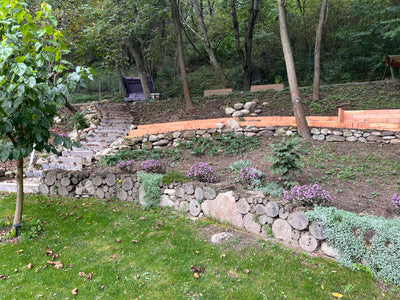
Transforming a Neglected Garden Corner: Design and Build with GridGarden Raised Beds
27. 08. 2026
Growing Perennials in Raised Beds: A Guide for Central Europe
25. 08. 2026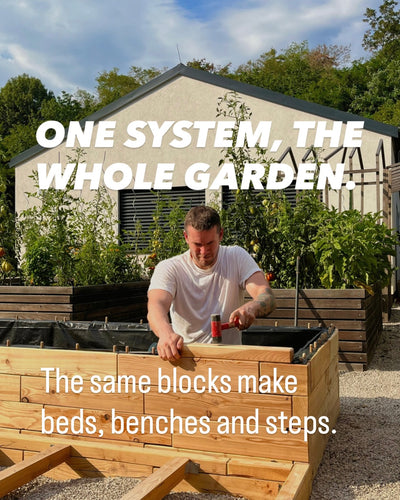
From AI Design to Tool-Free Build: Your Dream Garden in a Weekend
22. 08. 2026