Transforming a Neglected Garden Corner: Design and Build with GridGarden Raised Beds
Share
Every garden has that one spot: a forgotten corner, an awkward slope, or an area with stubborn, poor soil. Instead of seeing it as a problem, imagine it as a blank canvas for transformation. With thoughtful design and the right tools, you can turn a neglected patch into a beautiful, functional, and highly productive part of your outdoor living space. Raised garden beds, especially modular systems, offer an elegant and practical solution for these challenging areas, bringing structure, beauty, and improved growing conditions.
What makes a garden corner neglected and how can raised beds help?
A garden corner often becomes neglected due to a combination of factors, including poor soil quality, inadequate sunlight, awkward shapes, or simply being out of sight and thus out of mind. These areas might accumulate weeds, become dumping grounds for garden clutter, or remain barren because traditional planting methods prove too difficult or unrewarding. Raised beds directly address many of these issues, offering a fresh start.
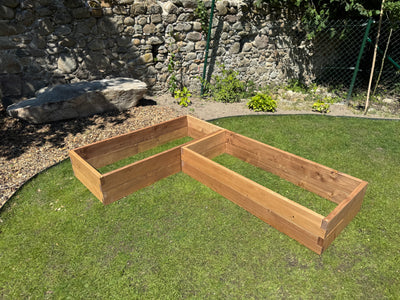
For instance, if your corner suffers from heavy clay or sandy soil, a raised bed allows you to import nutrient-rich, well-draining soil, bypassing the existing problems entirely. In areas with limited space or unusual angles, the modular nature of systems like GridGarden's Brick Premium allows for custom configurations – L-shapes, U-shapes, or multi-tiered designs – that perfectly fit and define the space, making it both accessible and aesthetically pleasing. This intentional design transforms a problem area into a focal point, inviting you to engage with your garden rather than ignore it.
Why choose raised beds for garden transformation?
Raised beds are an excellent choice for garden transformation because they offer a multitude of advantages over traditional in-ground gardening, especially for challenging spots. They provide immediate solutions for common gardening frustrations and open up new design possibilities. Raised bed gardening is an effective method for cultivating vegetables, herbs, and flowers, particularly in areas with poor soil, limited space, or difficult growing conditions.
One of the primary benefits is superior soil control. You can fill your raised beds with an ideal soil mix tailored to your plants' needs, ensuring optimal drainage and fertility from day one. This is particularly crucial in urban environments where existing soil might be contaminated. Urban garden soils frequently contain elevated levels of lead, primarily from legacy sources, which poses a significant obstacle to urban gardening. Raised beds allow you to create a safe growing environment with clean soil. Furthermore, raised beds offer several advantages, such as improved soil drainage, easier weed management, and reduced soil compaction.
"Raised beds are garden boxes filled with soil above the ground level."
— N.C. Cooperative Extension, Getting Started With Raised Bed Gardening - Clay County Center | N.C. Cooperative Extension
Beyond the practical benefits, raised beds introduce a strong architectural element to your garden, defining spaces and adding visual interest. They can elevate plants to a comfortable working height, making gardening more accessible and enjoyable. For a comprehensive overview of raised bed benefits, you might find our Complete Guide to Raised Garden Beds in Europe helpful.
How do I plan my raised bed transformation?
Planning is the cornerstone of any successful garden transformation, especially when revitalizing a neglected corner. Start by observing your space over a full day and across seasons if possible. Key considerations include sunlight exposure, existing drainage patterns, and prevailing winds. Map out how much direct sunlight the area receives – most vegetables require at least 6-8 hours daily. Identify any existing features like fences, walls, or mature trees that will influence your design.
Next, consider the desired function of your transformed corner. Do you envision a productive vegetable patch, a vibrant flower display, a serene seating area, or a combination? This will dictate the size, shape, and height of your raised beds. GridGarden's unique 3D configurator (GridGarden Studio) is an invaluable tool at this stage. It allows you to design custom rectangular, L-shape, or U-shape beds, experimenting with various dimensions and arrangements to perfectly fit your space and vision. This eliminates guesswork and helps visualize the final outcome before you even start building. You can even use our AI Garden Designer to visualize the beds in your actual garden photo.
Think about pathways and access. Ensure you can comfortably reach all parts of your raised beds without stepping on the soil, which helps prevent compaction. Consider integrating seating, water features, or decorative elements to enhance the overall appeal. For inspiration on non-rectangular designs, explore our guide on L-Shape & U-Shape Raised Beds.
What are the best materials for raised beds?
Choosing the right material for your raised beds is crucial for their longevity, aesthetic appeal, and overall performance. While various options exist—from treated lumber and composite materials to stone, metal, and plastic—natural wood remains a popular and environmentally friendly choice, especially in Central Europe. However, not all wood is created equal.
For DIY projects or budget-conscious choices, many gardeners might consider readily available spruce or pine planks, often found at hardware stores in thicknesses like 18mm or 40mm. While these are inexpensive upfront, they typically have a shorter lifespan, especially when in direct contact with moist soil. They may require chemical treatment to resist rot, which many organic gardeners prefer to avoid near food crops. These thinner planks can also warp and bow under the pressure of soil and moisture over time, compromising the structural integrity of the bed.
In contrast, GridGarden's Brick Premium raised beds are crafted from solid 60mm thick European red larch (Larix decidua). Larch is naturally resistant to rot and insect damage, making it an excellent choice for outdoor structures without the need for chemical preservatives. This natural durability is significantly enhanced by the substantial 60mm thickness, which provides exceptional strength and stability. Expect 15-25 years in an ordinary garden; with good drainage and no standing water, 25+ years. The modular snap-in connector system further ensures a robust and easy-to-assemble structure that can withstand the elements for decades.
Here's a comparison of common raised bed materials:
| Feature | GridGarden Brick Premium (60mm Larch) | DIY / Competitor (18-40mm Spruce/Pine) | Metal (Galvanized Steel/Aluminum) | Stone / Concrete Blocks |
|---|---|---|---|---|
| Material Thickness | 60mm solid larch | Typically 18mm, 20mm, or 40mm | Thin gauge sheet metal | Varies (blocks, pavers, natural stone) |
| Durability / Lifespan | 15-25 years (25+ ideal conditions) due to natural larch properties and thickness | 3-7 years (prone to rot, warping); requires treatment for longer life | 10-20 years (rust potential, dents) | 50+ years (very long-lasting) |
| Chemical Treatment | None required; naturally resistant | Often required for longevity; can leach into soil | Not applicable | Not applicable |
| Assembly Ease | Modular snap-in system, very easy | Requires cutting, drilling, screws; moderate difficulty | Bolt/screw together; moderate difficulty | Labor-intensive, requires mortar/dry stacking skill |
| Aesthetics | Premium natural wood look, robust, ages gracefully | Basic wood look, prone to weathering, can look flimsy | Modern, industrial; can heat up in sun | Classic, permanent; can be bulky |
| Cost (Initial) | Medium-High (value for longevity) | Low | Medium | High (material + labor) |
What are some creative design ideas for neglected corners?
Once you've chosen your materials, the real fun begins: designing. A neglected corner often presents unique opportunities for creative landscaping that can turn a drab space into a garden highlight. Instead of a simple rectangle, consider how modular raised beds can be combined to form more dynamic shapes.
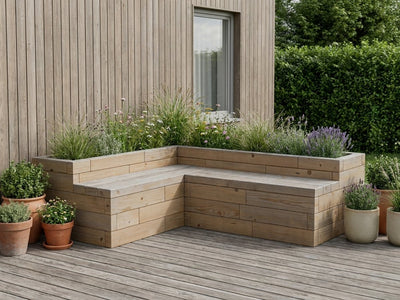
- L-Shape Seating Area: Transform an unused corner into a cozy seating nook by combining an L-shaped raised bed with a built-in bench. The bed can be filled with fragrant herbs or colorful flowers, creating a sensory experience right next to your relaxation spot.
- Terraced Beds on a Slope: If your neglected corner is on a gentle incline, modular raised beds can be stacked or arranged in steps to create beautiful terraced gardens. This not only adds visual interest but also helps with erosion control and provides multiple planting zones. This approach is also effective when using Raised Beds as Retaining Walls.
- Herb Spiral or Keyhole Garden: For smaller, tighter corners, a compact design like an herb spiral or keyhole garden can be incredibly efficient. These multi-level structures maximize planting space and create microclimates suitable for various herbs and vegetables.
- Focal Point with a Tree or Shrub: Use a raised bed to highlight a specimen tree or shrub, creating a natural focal point. Surround it with underplantings of contrasting textures or colors, adding depth and interest to the corner.
- Integrated with Pathways or Patios: Define the edge of a patio or pathway by incorporating raised beds. This creates a seamless transition between hardscaping and softscaping, making the area feel more cohesive and intentional. You can use different heights to add dimension and separate zones.
GridGarden's custom configurations via the Bed Wizard configurator are particularly useful for these creative designs, allowing you to tailor the exact dimensions and shapes needed to fit your unique corner and vision. Don't be afraid to mix heights and sizes to add visual appeal and make the space more dynamic.
How do I prepare the site and fill my raised beds?
Proper site preparation and filling are essential for the long-term success of your raised beds. Begin by thoroughly clearing the neglected corner. Remove any existing weeds, debris, or unwanted vegetation. If weeds are persistent, consider laying down a layer of cardboard or weed barrier fabric at the bottom of your raised bed area. This helps suppress weeds and can also decompose over time, adding organic matter to the soil.
Once the site is clear, assemble your GridGarden raised beds. The modular snap-in system makes this a straightforward process, allowing you to quickly erect even complex L-shape or U-shape configurations. Ensure the beds are level on all sides for stability and aesthetics. If you are building on a patio or paved area, ensure adequate drainage beneath the bed.
"Wherever feasible, raised beds filled with upcycled local mineral and organic materials are the preferred substrate for urban gardening."
— Anna A. Paltseva, Zhongqi Cheng, Murray McBride, Maha Deeb, Sara Perl Egendorf, Peter M. Groffman, Legacy Lead in Urban Garden Soils: Communicating Risk and Limiting Exposure
Filling the beds correctly is key. A common and effective method is the "Hugelkultur" technique or simply layering. Start with a base layer of coarse organic material like logs, branches, or wood chips. This layer slowly decomposes, providing nutrients and improving drainage over time. On top of this, add layers of leaves, grass clippings, compost, and finally, a premium raised bed soil mix. Aim for a mix that is rich in organic matter and well-draining. For detailed guidance on this process, refer to our article on How to Start a Raised Bed Garden. This layering approach minimizes the amount of expensive topsoil needed and creates a thriving ecosystem for your plants.
What are the long-term benefits of a transformed garden corner?
Transforming a neglected garden corner with raised beds offers a wealth of long-term benefits that extend far beyond initial aesthetics. Firstly, you gain a highly productive and manageable growing space. The improved soil quality and drainage within raised beds lead to healthier plants, higher yields, and less effort spent battling weeds and pests. This makes gardening more enjoyable and rewarding, encouraging continued use and engagement with your garden.
Secondly, the structural element of raised beds adds significant visual appeal and definition to your outdoor living space. A well-designed corner becomes a focal point, enhancing the overall beauty and perceived value of your property. The robust, natural look of 60mm European larch, like that used in GridGarden's Brick Premium, ages gracefully, developing a beautiful patina over time that integrates seamlessly with the natural environment. The durability of these beds means you won't be undertaking costly repairs or replacements for many years, providing peace of mind and long-term value.
Finally, a revitalized garden corner contributes to a more sustainable and biodiverse environment. By cultivating plants, you support local pollinators and create a healthier microclimate. The modular design also means your garden can evolve with your needs; beds can be reconfigured, expanded, or even moved if your landscaping plans change in the future. This adaptability ensures your transformed corner remains a vibrant and integral part of your garden for decades to come.
Key Takeaways
- Modular raised beds are ideal for transforming neglected garden corners, addressing issues like poor soil and awkward shapes.
- Raised beds offer superior soil control, drainage, and accessibility, enhancing plant health and simplifying garden maintenance.
- Planning with tools like GridGarden's 3D configurator allows for custom L-shape, U-shape, and rectangular designs to perfectly fit any space.
- Choosing durable materials like GridGarden's 60mm European larch ensures a long-lasting (15-25 years, 25+ ideal conditions), chemical-free, and aesthetically pleasing solution.
- Creative designs and proper layering techniques for filling beds maximize productivity and visual appeal in your revitalized corner.
Frequently Asked Questions
Can I transform a corner with very little sunlight using raised beds?
Yes, you can, but your plant choices will be limited. While raised beds improve soil and drainage, they don't create sunlight. For very shady corners, focus on shade-loving plants like hostas, ferns, impatiens, or certain herbs like mint and parsley. If you want to grow vegetables, consider if there's an option to prune nearby trees or choose a sunnier spot for edibles.
How high should a raised bed be for a neglected corner?
The ideal height depends on your needs. For general gardening and good drainage, 30-45 cm (12-18 inches) is often sufficient. If you have back issues, prefer less bending, or want deep root vegetables, 60 cm (24 inches) or higher is excellent. Taller beds also make a stronger visual statement and can serve as retaining walls if your corner has a slope.
Is it expensive to fill large raised beds with new soil?
Filling large raised beds primarily with bagged topsoil can be costly. To reduce expenses, use a layering technique often called "Hugelkultur" or simply "lasagna gardening." Start with bulky organic materials like logs, branches, leaves, and straw at the bottom, then layer with compost and finally top with a good quality raised bed mix. This method provides excellent drainage and slowly releases nutrients, minimizing the amount of purchased soil needed.
Can GridGarden raised beds be used on uneven ground in a corner?
GridGarden's modular system is designed for flexibility. While it's always best to prepare a level base for stability, minor unevenness can often be compensated for during assembly by adjusting the ground slightly or using shims under the planks. For significant slopes, you can create terraced beds using multiple units, effectively transforming the uneven terrain into productive, level growing areas. Our 60mm planks provide exceptional strength for these applications.
How do I protect my transformed corner from pests?
Raised beds naturally offer some protection from ground-dwelling pests like slugs and snails, as they create a barrier. You can enhance this by adding copper tape around the top edge of the beds or incorporating companion planting with pest-repelling herbs. For larger pests, netting or wire mesh structures can be easily added to the sturdy frame of GridGarden beds, creating a protective enclosure without compromising aesthetics.
Sources & Further Reading
Last verified: 2026-08-27.
- Getting Started With Raised Bed Gardening - Clay County Center | N.C. Cooperative Extension: Getting Started With Raised Bed Gardening - Clay County Center | N.C. Cooperative Extension, "Getting Started With Raised Bed Gardening - Clay County Center | N.C. Cooperative Extension"
- Legacy Lead in Urban Garden Soils: Communicating Risk and Limiting Exposure: Legacy Lead in Urban Garden Soils: Communicating Risk and Limiting Exposure, "Legacy Lead in Urban Garden Soils: Communicating Risk and Limiting Exposure"
Ready to transform your own neglected garden corner? Explore the possibilities and design your perfect raised bed solution with the GridGarden Studio 3D configurator today!
Related Articles
Transform Your Garden Corner: Modular Raised Beds and Integrated Seating
28. 08. 2026
Growing Perennials in Raised Beds: A Guide for Central Europe
25. 08. 2026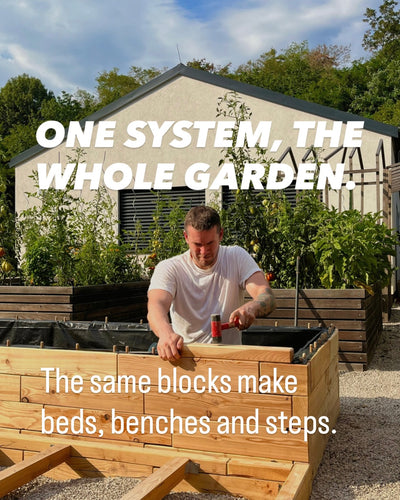
From AI Design to Tool-Free Build: Your Dream Garden in a Weekend
22. 08. 2026