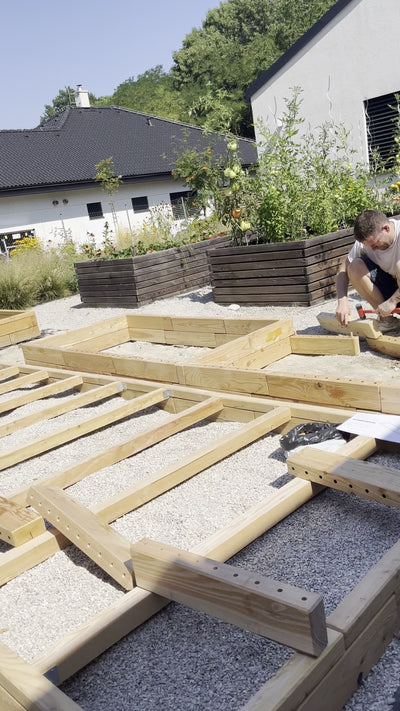
From AI Design to Tool-Free Build: Your Dream Garden in a Weekend
Share
The dream of a lush, productive garden often feels daunting, especially for first-time builders or those with limited time. Traditional gardening can involve extensive digging, complex design, and a significant investment in tools and labor. However, with advancements in technology and innovative construction methods, creating your dream garden from an AI-generated design to a flourishing reality in just one weekend is more achievable than ever before.
This guide will walk you through leveraging artificial intelligence for garden planning and then seamlessly transitioning to a tool-free build with modular raised beds. We'll explore how modern solutions empower you to transform your outdoor space efficiently, focusing on durable materials and smart techniques that save you time and effort.
How can AI help you design your garden?
AI garden planners simplify design by visualizing layouts, plant choices, and optimizing space, making complex planning accessible even for beginners. Artificial intelligence has revolutionized many aspects of our lives, and garden design is no vibrant exception. For years, garden planning involved sketching, measuring, and consulting numerous plant guides, a process that could be both time-consuming and overwhelming. Today, AI-powered tools streamline this process, allowing you to visualize your ideal garden with unprecedented ease and precision.
Tools like GridGarden Studio's AI Garden Designer can take your vision, even a simple photograph of your existing space, and generate realistic renders of potential garden layouts. This technology helps you experiment with different shapes, sizes, and configurations of raised beds, pathways, and planting zones without ever lifting a shovel. Imagine seeing how an L-shaped raised bed would fit into a corner, or how a series of rectangular beds could create a productive kitchen garden, all before committing to any physical changes. The configurator allows you to precisely define the dimensions of your desired beds, ensuring they fit perfectly into your chosen space. You can explore various options for a single bed or a multi-bed layout, making the design process interactive and truly tailored to your needs.
Beyond layout, AI can offer intelligent suggestions for plant selection based on your local climate (especially relevant in Central European zones 6-7), soil conditions, and desired aesthetics. It can recommend companion planting combinations that enhance growth and deter pests, or suggest drought-tolerant species to reduce water consumption. This data-driven approach removes much of the guesswork from gardening, empowering you to make informed decisions that lead to a healthier, more beautiful garden. For more insights into how these tools work, explore our article on the 3D Garden Configurator.
By leveraging AI, you can overcome common design challenges like spatial optimization, plant compatibility, and aesthetic cohesion. It transforms the abstract idea of a dream garden into a concrete, visual plan, giving you the confidence to move forward with construction. This initial planning phase, once a bottleneck, now becomes an exciting and efficient first step towards your weekend garden transformation.
Why choose a raised garden bed for your weekend project?
Raised garden beds offer numerous advantages for quick setup, including better soil control, improved drainage, extended growing seasons, and reduced physical strain, making them ideal for a weekend project. For anyone looking to establish a garden quickly and efficiently, especially over a single weekend, raised beds are an unparalleled choice compared to traditional in-ground gardening. Their benefits are manifold, addressing many common challenges faced by both novice and experienced gardeners.
One of the primary advantages is superior soil control. With a raised bed, you are not limited by the existing soil quality in your garden. You can fill your beds with a custom blend of nutrient-rich soil, compost, and amendments, providing your plants with the ideal growing medium from day one. This eliminates the laborious and often frustrating process of amending poor native soil, which can take years to improve. This also means better drainage, as the elevated structure prevents waterlogging, a common issue in compacted or heavy clay soils. Good drainage is crucial for healthy root development and preventing root rot, especially during wetter seasons common across Europe.
Raised beds also offer an extended growing season. The soil in raised beds warms up faster in the spring and stays warmer longer into the autumn than ground-level beds. This allows you to plant earlier and harvest later, maximizing your garden's productivity. Furthermore, the contained environment of a raised bed can help deter common garden pests like slugs and snails, as they have a harder time reaching your plants. Weeding is also significantly reduced, as the controlled soil environment and elevation make it easier to manage unwanted growth.
Perhaps most appealing for a weekend project and for many gardeners, raised beds significantly reduce physical demands. The elevated height means less bending, kneeling, and stooping, making gardening more comfortable and accessible. This gardening technique is particularly beneficial for individuals with limited mobility due to its minimal physical demands, as noted by the Home & Garden Information Center. This ergonomic benefit transforms gardening from a strenuous chore into a relaxing and enjoyable activity. For a comprehensive overview of raised beds, consult our Complete Guide to Raised Garden Beds in Europe.
Considering these advantages—from immediate soil quality control and improved drainage to an extended growing season and enhanced accessibility—it's clear why raised garden beds are the optimal foundation for a successful and enjoyable weekend garden project.
Is it truly possible to build a raised bed without tools?
Yes, modern modular raised bed systems, like GridGarden's Brick Premium, are specifically designed for tool-free assembly using snap-in connectors, making construction quick and straightforward. For many, the idea of "building" something implies a collection of power tools, screws, nails, and a significant amount of time and technical skill. However, the landscape of garden construction has evolved dramatically, especially with innovative modular systems designed for simplicity and speed.
GridGarden's Brick Premium system exemplifies this evolution. Our raised beds are crafted from solid 60mm thick European red larch (Larix decidua) planks, engineered to fit together with a unique snap-in connector system. This design eliminates the need for any complex joinery, screws, drills, saws, or specialized tools. The planks simply slide into robust connectors, creating a strong, stable structure with minimal effort. This intuitive assembly process means that even those with no prior DIY experience can confidently construct a raised bed in a matter of hours.
The beauty of this tool-free approach lies not just in its simplicity but also in its speed. What might take a full day or more with traditional lumber, requiring precise cuts, drilling pilot holes, and carefully fastening boards, can be accomplished in a fraction of the time with a modular system. This makes it perfectly suited for a weekend project, allowing you to spend less time on construction and more time on the enjoyable aspects of gardening, like planting and nurturing your crops.
Furthermore, the modular nature of the Brick Premium system means your garden is not only easy to build but also incredibly flexible. You can create rectangular, L-shape, U-shape, and even complex custom configurations, expanding or reconfiguring your beds as your gardening needs evolve. This adaptability is a stark contrast to fixed, pre-assembled kits or custom-built timber beds that are difficult to alter once constructed. The structural integrity provided by the 60mm larch planks ensures that despite the tool-free assembly, your raised bed will be exceptionally durable and long-lasting. Discover more about this innovative approach in our article on Modular Raised Beds: Brick System.
What materials are best for a durable, easy-to-build raised bed?
For durability and ease of build, solid, untreated European red larch planks, such as GridGarden's 60mm Brick Premium system, offer excellent weather resistance and a long lifespan without requiring chemical treatment. The choice of material is paramount when constructing a raised garden bed, directly influencing its longevity, stability, and ease of assembly. While many options exist, from treated lumber to metal or stone, natural wood remains a popular choice for its aesthetic appeal and environmental benefits.
However, not all wood is created equal. Many DIY raised bed projects often utilize readily available, inexpensive options like spruce or pine, typically in thicknesses ranging from 18mm to 40mm. While these woods can be a good starting point for a budget-conscious project, they often require chemical treatment to resist rot and pests, or they will have a significantly shorter lifespan in outdoor conditions, especially when in contact with moist soil. This can lead to premature deterioration, requiring frequent repairs or replacement within just a few years.
In contrast, European red larch (Larix decidua) stands out as a superior choice, particularly when used in substantial dimensions. Larch is naturally rich in resins and tannins, giving it inherent resistance to decay, fungi, and insects without the need for chemical treatments. It is classified as EN 350 durability class 3-4 untreated, making it highly suitable for outdoor applications. GridGarden's Brick Premium system exclusively uses solid 60mm thick larch planks. This substantial thickness not only enhances the structural integrity and stability of the raised bed but also contributes significantly to its impressive lifespan. You can expect solid 60 mm larch, with no chemical treatment, to last 15-25 years in an ordinary garden; with good drainage and no standing water, 25+ years. This commitment to quality ensures that your investment in a GridGarden raised bed is one that will provide decades of gardening pleasure.
The combination of naturally durable larch and a robust 60mm plank thickness, coupled with a tool-free modular assembly system, creates a raised bed that is both easy to build and exceptionally long-lasting. This means less time spent on maintenance and replacement, and more time enjoying your garden. The following table provides a clear comparison between common DIY options and GridGarden's Brick Premium system:
| Feature | DIY Spruce/Pine (18mm-40mm) | GridGarden Brick Premium (60mm Larch) |
|---|---|---|
| Material | Typically spruce or pine; often requires chemical treatment for durability. | European Red Larch (Larix decidua); naturally durable, no chemical treatment needed. |
| Plank Thickness | Commonly 18mm, 28mm, or 40mm. Thinner boards are prone to warping and bowing. | Solid 60mm. Provides exceptional stability, strength, and insulation. |
| Assembly Method | Requires cutting, drilling, screws, and tools. Can be time-consuming and challenging. | Modular snap-in connector system. Tool-free assembly, quick and easy. |
| Lifespan | Typically 5-10 years untreated; longer with chemical treatment. | 25+ years in ideal conditions — 15-25 in an ordinary garden. |
| Modularity & Shapes | Limited to standard rectangular shapes unless custom-built with significant effort. | Highly modular, expandable, supports rectangular, L-shape, U-shape, and custom configurations. |
| Maintenance | May require sealing or re-treatment to prolong life. | Low maintenance due to natural durability; no chemical treatment needed. |
| Cost (Initial vs. Long-term) | Lower initial cost, but higher long-term cost due to frequent replacement and maintenance. | Higher initial investment, but significantly lower long-term cost due to exceptional durability. |
How do you prepare your garden site for a no-dig raised bed?
Preparing a site for a no-dig raised bed involves clearing the area, leveling the ground, and then layering organic materials directly within the bed to create rich soil without any digging. The "no-dig" method, also known as lasagna gardening or sheet mulching, is a revolutionary approach that aligns perfectly with the goal of a quick, weekend garden build. It eliminates the back-breaking work of tilling and double-digging, allowing you to establish a fertile growing environment directly on top of your existing lawn or garden patch.
The first step is site selection. Choose an area that receives ample sunlight—ideally 6-8 hours per day for most vegetables—and has good natural drainage. Once you've identified your spot, clear any large debris or weeds, but there's no need to remove the grass or existing vegetation entirely. Simply mow it down as short as possible. Then, level the ground as much as you can to ensure your raised bed sits evenly and securely. This can be done with a rake or shovel, gently smoothing out high spots and filling in low ones.
The essence of no-dig gardening is layering. This method transforms organic materials into rich, healthy compost, suppressing weeds in the process. As Sandy Vanno, Master Gardener Warren County CCE, states,
"Sheet mulching is a smart gardening technique that provides multiple benefits to the garden and gardener."
— Sandy Vanno, Lasagna Gardening
Once your GridGarden raised bed structure is in place, you begin layering. The University of Florida's Institute of Food and Agricultural Sciences notes,
"This uncomplicated and easy method of sheet composting means that it’s appropriate for everyone (including those who may be physically limited or unable to dig traditional garden beds) and a good way to convert grassy areas to gardens."
— University of Florida, Institute of Food and Agricultural Sciences - UF/IFAS, No-Dig Garden Beds - Solutions for Your Life - University of Florida, Institute of Food and Agricultural Sciences - UF/IFAS
Here's a typical layering sequence:
- Cardboard Base: Lay down a thick layer of flattened cardboard directly on the ground, overlapping edges to block out light and smother existing weeds and grass. Remove any plastic tape or labels. Wet the cardboard thoroughly.
- "Green" Layers: Add a 10-15 cm layer of nitrogen-rich materials. This can include kitchen waste (fruit and vegetable scraps), grass clippings, fresh manure, or green plant trimmings.
- "Brown" Layers: Follow with a 10-15 cm layer of carbon-rich materials. Good options include straw, shredded leaves, wood chips, newspaper (shredded), or untreated sawdust.
- Repeat: Continue alternating green and brown layers until your bed is nearly full, leaving about 15-20 cm from the top edge. Wet each layer as you go to aid decomposition.
- Topsoil/Compost: Finish with a 15-20 cm layer of high-quality potting mix or finished compost. This is where you'll plant your seeds or seedlings.
This method, as described by Clemson University, is
"simple and elegant, similar to the pasta dish it’s named for."
— Clemson University, Lasagna Gardening | Home & Garden Information Center
While the layers decompose and provide nutrients, it's important to note that this initial setup might not sustain plants for an entire season. As Joe Masabni of AgriLife Today advises,
"Compost by itself is not enough plant food all season long,” Masabni said. “It is important to add additional fertilizer on the top of your garden, whether it be chemical or organic."
— Joe Masabni, Foundational tips for no-dig gardening - AgriLife Today
This no-dig approach not only saves you from strenuous labor but also creates a vibrant, living soil ecosystem that benefits your plants for years to come. For more details on getting started, see our guide on How to Start a Raised Bed Garden.
What are the steps for a quick, tool-free raised bed assembly?
Assembling a tool-free raised bed typically involves laying out the base, snapping together modular planks and connectors, and then filling the bed, a process that can often be completed in a few hours. The promise of a tool-free build is central to transforming your garden in a weekend. With GridGarden's Brick Premium system, the assembly process is remarkably straightforward, designed for efficiency and ease, requiring no more than a pair of hands and perhaps a rubber mallet for gentle persuasion.
Here’s a step-by-step guide to assembling your raised bed quickly:
- Unpack and Inspect: Begin by carefully unpacking all components. Lay out your 60mm larch planks and connectors to ensure everything is present and undamaged. Familiarize yourself with the different plank lengths and connector types if your design includes corners, ends, or extensions.
- Prepare the Base Layer: Place the first layer of planks directly onto your prepared, leveled site. These will form the base perimeter of your raised bed. If you have an L-shape or U-shape bed, ensure the corner planks are correctly positioned according to your AI-generated design.
- Insert Connectors: Take the modular connectors and slide them firmly onto the ends of the base planks. These connectors are designed to interlock securely, providing the structural integrity for your bed. Ensure they are fully seated.
- Snap in Subsequent Planks: Once the connectors are in place on the first layer, begin adding the next layer of 60mm larch planks. Simply align the planks with the slots in the connectors and push them down firmly until they click into place. Work your way around the bed, adding layers uniformly. If a plank is a bit tight, a gentle tap with a rubber mallet can help seat it without damage.
- Add All Layers: Continue this process, building up the height of your raised bed one layer at a time. The modular system allows for flexible height adjustments, so you can build your bed as tall as needed for optimal ergonomics and plant growth. The robust 60mm thickness of the larch planks ensures stability even at greater heights.
- Final Check: Once all planks are in place, walk around the entire bed, checking that all connections are secure and the structure is stable. The inherent strength of the solid larch and the interlocking system means your bed will be remarkably sturdy.
- Fill with Layers (No-Dig Method): With the structure complete, it's time to implement your no-dig layering strategy as outlined in the previous section. Start with cardboard, then alternate green and brown organic materials, topping with quality compost or potting mix.
This entire assembly process, from unpacking to a fully constructed frame, typically takes only a few hours for a standard-sized raised bed. This efficiency is a cornerstone of the GridGarden system, enabling you to move from design to planting within the span of a single weekend.
How can you turn your AI-designed garden into a reality this weekend?
By combining the precise planning capabilities of AI garden designers with the rapid, tool-free assembly of modular raised beds, you can efficiently transform your digital garden vision into a thriving reality within a single weekend. The journey from an abstract idea to a tangible, productive garden has never been more streamlined. The synergy between advanced AI design tools and innovative construction methods makes what was once a multi-week project achievable in just a couple of days.
It all begins with your vision, enhanced and refined by AI. Using a tool like GridGarden Studio, you can meticulously plan every detail, from the exact dimensions and configuration of your raised beds to the optimal placement of different plant varieties. This digital blueprint ensures that when your GridGarden Brick Premium planks arrive, you have a clear, precise plan to follow, eliminating guesswork and potential errors.
Once your custom-designed 60mm larch raised bed kit arrives, the physical transformation begins. The tool-free assembly process is designed for speed and simplicity. You'll spend mere hours snapping together the robust larch planks, creating a durable and aesthetically pleasing structure that perfectly matches your AI-generated design. This rapid construction leaves ample time within your weekend schedule for the crucial next steps.
Following the assembly, you'll implement the no-dig layering method, efficiently building nutrient-rich soil within your new beds. This process, also quick and easy, prepares your garden for planting without the need for strenuous digging or tilling. Finally, with your beds filled and ready, you can embark on the most rewarding part: planting your chosen vegetables, herbs, or flowers. Whether you're transplanting seedlings or sowing seeds, your AI-designed garden is now a living, breathing space, ready to flourish.
The entire sequence—design, order, assemble, fill, and plant—is perfectly calibrated for a weekend timeframe. This integrated approach not only saves you significant time and effort but also provides the satisfaction of seeing your carefully planned garden come to life almost instantly. Embrace the future of gardening and turn your dream into a vibrant reality this weekend.
Ready to bring your vision to life? Design your dream raised bed today with GridGarden Studio!
Key Takeaways
- AI garden planners make complex design simple, offering visualizations and plant suggestions tailored to your space.
- Raised beds provide superior soil control, better drainage, extended growing seasons, and reduced physical strain, ideal for quick builds.
- GridGarden's Brick Premium system features 60mm thick European red larch planks with a tool-free, snap-in assembly, making construction fast and easy.
- Larch is naturally durable (EN 350 durability class 3-4), offering a lifespan of 15-25 years in ordinary conditions, or 25+ years with good drainage, without chemical treatment.
- The no-dig (lasagna gardening) method builds healthy soil and suppresses weeds efficiently, complementing the fast assembly of modular raised beds.
Frequently Asked Questions
How long does it take to build a GridGarden raised bed?
Thanks to our tool-free, modular snap-in connector system, most GridGarden Brick Premium raised beds can be assembled in just a few hours, typically half a day for a standard configuration. This allows you to quickly move on to filling and planting within the same weekend.
Can I really design a complex garden layout with AI?
Yes, AI garden planners like GridGarden Studio's AI Garden Designer are capable of handling complex layouts. You can visualize various shapes (rectangular, L-shape, U-shape, custom), optimize space, and receive plant suggestions, making sophisticated designs accessible even for beginners.
What kind of soil should I use for a no-dig raised bed?
For a no-dig raised bed, you'll layer various organic materials like cardboard, green waste (grass clippings, kitchen scraps), and brown waste (straw, shredded leaves), topped with 15-20 cm of high-quality compost or potting mix. This creates a rich, self-composting environment for your plants.
Is larch wood suitable for all European climates?
European red larch (Larix decidua) is highly suitable for a wide range of European climates, particularly Central European zones 6-7. Its natural resins provide excellent durability and resistance to decay and insects, allowing it to withstand diverse weather conditions without chemical treatment, ensuring a long lifespan of 15-25 years or more.
What are the benefits of the 60mm plank thickness?
The 60mm plank thickness of GridGarden's Brick Premium system offers several key benefits: superior structural stability and strength, enhanced insulation for better soil temperature regulation, increased durability and resistance to warping, and a significantly longer lifespan compared to thinner boards, contributing to its 15-25+ year expected longevity.
Sources & Further Reading
Last verified: 2026-08-22.
- Lasagna Gardening | Home & Garden Information Center: Lasagna Gardening | Home & Garden Information Center, "Lasagna Gardening | Home & Garden Information Center"
- Lasagna Gardening: Lasagna Gardening, "Lasagna Gardening"
- No-Dig Garden Beds - Solutions for Your Life - University of Florida, Institute of Food and Agricultural Sciences - UF/IFAS: No-Dig Garden Beds - Solutions for Your Life - University of Florida, Institute of Food and Agricultural Sciences - UF/IFAS, "No-Dig Garden Beds - Solutions for Your Life - University of Florida, Institute of Food and Agricultural Sciences - UF/IFAS"
- Foundational tips for no-dig gardening - AgriLife Today: Foundational tips for no-dig gardening - AgriLife Today, "Foundational tips for no-dig gardening - AgriLife Today"
Related Articles

Growing Perennials in Raised Beds: A Guide for Central Europe
25. 08. 2026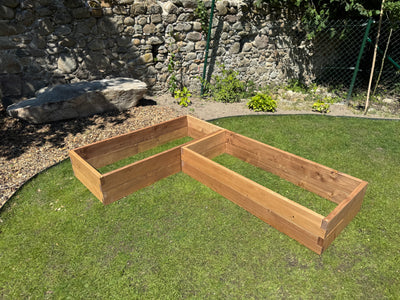
Endless Possibilities: Designing Custom Raised Beds with GridGarden's Modular System
20. 08. 2026
Raised Bed Cost Comparison: GridGarden vs. Traditional DIY & Kits in Central Europe
19. 08. 2026