First-Time Raised Bed Builder's Guide: What You Really Need (No Saws Required!)
Share
First-Time Raised Bed Builder's Guide: What You Really Need (No Saws Required!)
Embarking on your first raised garden bed project can feel both exciting and daunting. The idea of fresh, home-grown produce is appealing, but the thought of complex measurements, power tools, and intricate construction often deters aspiring gardeners. If you've ever felt intimidated by traditional DIY raised bed projects, you're not alone. This guide is designed to demystify the process, showing you how to achieve a beautiful, functional raised bed without ever needing a saw or drill, focusing on solutions that are accessible and rewarding for beginners across Central Europe.
What makes building a raised bed seem difficult?
Building a raised bed can seem difficult due to the perceived need for carpentry skills, specialized tools, and precise measurements. Many traditional DIY guides involve cutting lumber, drilling holes, and securing joints with screws, which can be intimidating for those without prior woodworking experience. The challenge often lies in ensuring structural integrity, square corners, and a level frame, all while handling heavy materials and potentially dangerous equipment.
For many, the initial hurdle is simply knowing where to start with material selection. Should you choose spruce, pine, or a more durable wood? What thickness is best? Then comes the actual construction – measuring accurately, making straight cuts, and assembling the pieces so they stand strong against the elements and the weight of soil. These steps, while manageable for experienced DIYers, can feel overwhelming for a first-time builder. Fortunately, modern solutions have emerged that eliminate these complexities, making raised bed gardening accessible to everyone, regardless of their DIY prowess. Understanding these common pain points helps us appreciate the simplicity offered by modular systems, which streamline the entire process from planning to planting.
What materials are best for a durable, tool-free raised bed?
For a durable, tool-free raised bed, solid, thick timber with a natural resistance to rot, combined with an intelligent modular connection system, is ideal. While many materials are available, the selection should always consider local availability, the type of bed, your budget, and environmental impact (University of Georgia Cooperative Extension). For longevity and ease of use, untreated European larch (Larix decidua) is an excellent choice, especially when sourced in substantial thicknesses like 60mm.
Generic DIY options often involve locally-sourced spruce or pine, which are inexpensive but typically require chemical treatment to resist rot, or will degrade relatively quickly. While cedar lumber is frequently used for raised beds due to its natural resistance to rot and insects, obtaining sustainable Eastern red cedar can be difficult and expensive, and West coast cedar has its own environmental considerations regarding production and shipping (University of Georgia Cooperative Extension). For the Central European climate, larch stands out.
GridGarden's Brick Premium raised beds utilize solid 60mm European red larch planks, requiring no chemical treatment. This substantial thickness provides excellent insulation for your plants and superior structural stability. Expect 15-25 years in an ordinary garden; with good drainage and no standing water, 25+ years. This longevity, combined with the natural beauty and structural integrity of 60mm larch, makes it a premium choice for gardeners seeking a long-lasting, low-maintenance solution. Importantly, this material complies with most organic food production standards, as highlighted by the University of Georgia Cooperative Extension:
"This publication focuses on materials that comply with most organic food production standards."
— University of Georgia Cooperative Extension, Raised Bed Materials
How does a modular raised bed system simplify assembly?
A modular raised bed system simplifies assembly by eliminating the need for cutting, drilling, or specialized tools, relying instead on pre-fabricated components that snap or slide together. This innovative approach transforms what was once a complex carpentry project into a straightforward, almost LEGO-like construction task that can often be completed in under an hour.
GridGarden's Brick Premium system, for example, uses a unique snap-in connector design. The 60mm larch planks are precisely cut to size, with pre-engineered connection points. You simply slide the planks into the robust corner connectors, and they lock securely into place. There are no screws to drive, no complex joints to align, and no power tools required beyond perhaps a rubber mallet for a snug fit. This tool-free assembly not only saves time and effort but also ensures a perfectly square and stable structure every time, even for first-time builders. The modular nature also means your raised bed can be expanded or reconfigured later if your gardening needs change, offering unparalleled flexibility. This system makes it incredibly easy to start your raised bed garden without any prior DIY experience, letting you focus on the joy of planting rather than the frustration of construction. For a deeper dive into getting started, explore our How to Start a Raised Bed Garden guide.
What are the essential steps to setting up your first raised bed?
Setting up your first raised bed involves a few essential steps: choosing the right location, preparing the ground, assembling the bed, and finally, filling it with a high-quality soil mix. These steps are straightforward, especially with a modular system.
- Site Selection: Choose a spot in your garden that receives at least 6-8 hours of direct sunlight daily for most vegetables. Consider proximity to a water source and ensure the ground is relatively level. Think about how the raised bed will integrate into your overall garden design – GridGarden's 3D configurator can help visualize this.
- Ground Preparation: While not strictly necessary for all raised beds, it's often beneficial to clear the chosen area of weeds and grass. You might lay down a weed barrier (like cardboard or landscape fabric) at the bottom to suppress weeds and prevent pests from tunneling up. Ensure good drainage; if your soil is heavy clay, consider adding a layer of gravel or coarse sand before placing your bed.
- Assembly (The Easy Part!): With a modular system like GridGarden's Brick Premium, this step is remarkably simple. Unpack your 60mm larch planks and connectors. Follow the clear instructions to snap the planks into the corner connectors, building up the layers one by one. You'll see your bed take shape quickly, often in less than 30 minutes, without needing any tools.
- Filling Your Raised Bed: This is crucial for success. A good raised bed soil mix typically consists of a blend of topsoil, compost, and other organic matter to provide nutrients and good drainage. Avoid using only garden soil, which can be too dense. For detailed recommendations, refer to our guide on the Best Soil Mix for Raised Beds. Layering different materials can also create a beneficial environment for plants over time.
By following these steps, you'll have a functional and beautiful raised bed ready for planting in no time. For a comprehensive overview of raised bed gardening, visit our Complete Guide to Raised Garden Beds in Europe.
How can you customize your raised bed without complex construction?
You can customize your raised bed without complex construction by utilizing modular systems that offer various shapes and sizes, often through an intuitive online configurator. Traditional DIY methods often limit you to simple rectangles unless you possess advanced carpentry skills, but modern solutions break free from these constraints.
GridGarden's unique modular system is specifically designed for this. Instead of being confined to standard rectangular kits, you can easily create L-shape, U-shape, or even more intricate custom configurations. Our GridGarden Studio 3D configurator allows you to design your bed visually, inputting your desired dimensions and shape. The system then calculates the exact number of 60mm larch planks and connectors you need, ensuring a perfect fit without any cutting or modifications on your part. This means you can design a bed that perfectly suits your garden's layout, maximizes growing space, or creates visually appealing features, all with the same tool-free snap-in assembly. This level of customization, previously reserved for expert carpenters, is now accessible to every first-time builder, allowing for truly personalized garden spaces. You can even use our AI Garden Designer to visualize your custom bed in your garden photos.
What are the long-term benefits of choosing a high-quality, modular system?
Choosing a high-quality, modular raised bed system offers numerous long-term benefits, including exceptional durability, expandability, ease of relocation, and consistent performance over many seasons. These advantages go far beyond the initial convenience of tool-free assembly.
Firstly, durability is paramount. When you invest in robust materials like 60mm European larch, you're choosing a material known for its natural resistance to rot and pests, suitable for the Central European climate. Solid 60 mm larch, no chemical treatment. Expect 15-25 years in an ordinary garden; with good drainage and no standing water, 25+ years. This longevity means less maintenance, fewer replacements, and more time enjoying your garden. Secondly, modular systems are inherently expandable. If your gardening ambitions grow, you can easily add more sections to your existing GridGarden Brick Premium bed, transforming a simple rectangle into an L-shape or a larger U-shape without having to buy an entirely new bed. This flexibility ensures your raised bed system can evolve with your needs. Thirdly, while permanent once filled, the initial ease of assembly means that, if needed, a modular system can be disassembled and relocated with relative ease compared to a permanently constructed bed. This is particularly useful if you move homes or wish to redesign your garden layout. Finally, the consistent quality and precise engineering of a modular system ensure optimal growing conditions year after year. The thick planks provide excellent insulation, protecting roots from extreme temperatures and maintaining a more stable soil environment. This leads to healthier plants and more bountiful harvests, making a high-quality modular system a wise, long-term investment for any gardener.
| Feature | Traditional DIY (e.g., Spruce) | Modular Larch (GridGarden Brick Premium) |
|---|---|---|
| Materials | Typically spruce, pine, or untreated pallet wood. May require chemical treatment for longevity. | Solid 60mm European red larch, naturally rot-resistant, no chemical treatment. |
| Tools Required | Saw, drill, measuring tape, screws, level, possibly clamps. | None (or just a rubber mallet for a snug fit). |
| Assembly Time | Several hours to a full day, depending on complexity and skill. | Typically 15-60 minutes for a standard bed. |
| Durability & Lifespan | Variable, often 5-10 years untreated (spruce); higher with chemical treatment. | 25+ years in ideal conditions — 15-25 in an ordinary garden. |
| Customization | Limited to your carpentry skills; complex shapes are challenging. | Easy L-shape, U-shape, and custom configurations via 3D configurator. |
| Expandability | Difficult to expand or modify once built. | Highly expandable; add sections as your garden grows. |
| Initial Cost | Can be lower if using basic, less durable wood; higher if buying tools. | Higher initial investment for premium materials and engineering, but lower long-term cost due to durability. |
Key Takeaways
- Building a raised bed no longer requires advanced carpentry skills or power tools thanks to modern modular systems.
- Choose durable, naturally rot-resistant materials like 60mm European larch for a long-lasting bed (25+ years in ideal conditions — 15-25 in an ordinary garden).
- Modular systems, like GridGarden's Brick Premium, feature tool-free, snap-in assembly, allowing for quick setup in under an hour.
- Customization is easy with online configurators, enabling L-shape, U-shape, and custom designs without any cutting or complex construction.
- High-quality modular beds offer long-term benefits including durability, expandability, and consistent growing performance.
Frequently Asked Questions
Do I need any special tools to assemble a GridGarden raised bed?
No, you do not need any special tools to assemble a GridGarden Brick Premium raised bed. Our modular system is designed for tool-free assembly, using a unique snap-in connector system for the 60mm larch planks. In most cases, components simply slide and lock into place, with a rubber mallet being the only optional item for ensuring a very snug fit.
What is the expected lifespan of a GridGarden raised bed?
GridGarden raised beds, made from solid 60mm European larch without chemical treatment, are highly durable. You can expect 15-25 years in an ordinary garden; with good drainage and no standing water, they can last 25+ years.
Can I expand my GridGarden raised bed after I've built it?
Yes, one of the key benefits of GridGarden's modular design is its expandability. You can easily add more 60mm larch planks and connectors to your existing Brick Premium raised bed to make it longer, wider, or create new shapes like L or U configurations as your gardening needs evolve.
Are GridGarden raised beds suitable for organic gardening?
Absolutely. GridGarden Brick Premium raised beds are made from untreated 60mm European larch, which means no harmful chemicals will leach into your soil. This makes them an excellent choice for organic gardening and growing edible produce safely.
How do I choose the right size and shape for my garden?
Choosing the right size and shape for your raised bed depends on your goals, budget, maintenance needs, and available space, as Shawn Jadrnicek, Quinn Furman, and Alexander Niemiera note in their comparison of raised bed methods (Virginia Tech Extension). GridGarden makes this easy with our GridGarden Studio 3D configurator. You can design custom rectangular, L-shape, or U-shape beds to fit your specific garden dimensions and aesthetic preferences, all without any complex calculations or construction.
Sources & Further Reading
Last verified: 2026-08-18.
- Raised Bed Materials: Raised Bed Materials, "Raised Bed Materials"
- Comparison of Raised Bed Methods, Materials, and Costs: Shawn Jadrnicek, Quinn Furman, and Alexander Niemiera, "Comparison of Raised Bed Methods, Materials, and Costs"
Ready to start your no-fuss raised garden bed? Explore the possibilities and design your perfect garden with the GridGarden Studio 3D configurator today. Happy gardening!
Related Articles

Growing Perennials in Raised Beds: A Guide for Central Europe
25. 08. 2026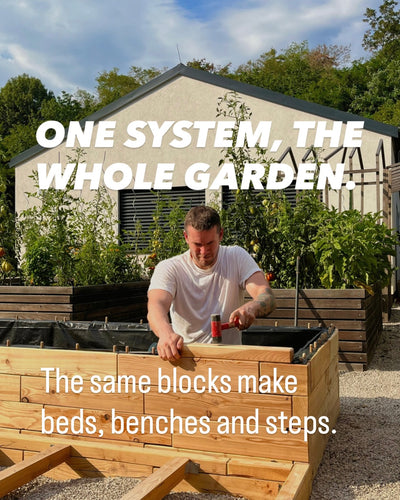
From AI Design to Tool-Free Build: Your Dream Garden in a Weekend
22. 08. 2026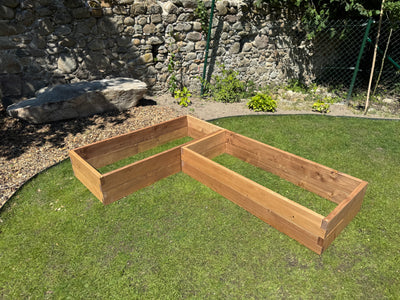
Endless Possibilities: Designing Custom Raised Beds with GridGarden's Modular System
20. 08. 2026