Growing Perennials in Raised Beds: A Guide for Central Europe
Share
For many gardeners across Central Europe, the allure of a vibrant, low-maintenance garden is strong. Perennials, with their ability to return year after year, offer a sustainable and beautiful solution. When combined with the benefits of a raised bed, cultivating long-lasting flowers, herbs, and even some vegetables becomes an incredibly rewarding experience. This guide explores how to successfully grow perennials in raised beds, tailored for the unique climate and gardening conditions of the region.
Why choose perennials for raised beds?
Perennials offer a sustainable, low-maintenance approach to gardening in raised beds, providing consistent beauty and reducing annual replanting effort. Opting for perennials in your raised beds brings a multitude of advantages that go beyond just saving time. Unlike annuals that complete their life cycle in one season, perennials establish deep root systems, allowing them to return stronger each spring, often for many years or even decades. This significantly reduces the annual effort and cost associated with purchasing and planting new specimens.
Beyond the practical benefits, perennials contribute to a more stable and mature garden ecosystem. Their established root networks help to stabilize the soil, improve its structure over time, and minimize erosion within the raised bed. This means less soil disturbance and a healthier foundation for plant growth. From an aesthetic perspective, perennials create a consistent and evolving display, offering early spring growth and often structural interest throughout the winter months. Many also play a crucial role in supporting local biodiversity by providing a consistent food source and habitat for pollinators like bees and butterflies, which is particularly beneficial in urban and suburban landscapes.
What perennials thrive in Central European raised beds?
Many perennials, from ornamental flowers to culinary herbs and some vegetables, are well-suited for raised beds in Central Europe, especially those tolerant of varying winter conditions. The key to success lies in selecting species adapted to the region's climate zones, typically ranging from 6 to 7, which experience cold winters and often warm summers. Raised beds offer a controlled environment that can sometimes mitigate less-than-ideal native soil conditions, allowing for a broader range of choices.
- Ornamental Flowers: Consider robust and beautiful options such as Lavender (Lavandula angustifolia), known for its drought tolerance and fragrance; Coneflower (Echinacea purpurea), a pollinator magnet; Sedum (Hylotelephium spectabile), offering late-season interest; and Daylilies (Hemerocallis) for their vibrant blooms. Peonies (Paeonia), Hostas, Catmint (Nepeta x faassenii), Yarrow (Achillea millefolium), and Siberian Iris (Iris sibirica) are also excellent choices, providing diverse textures and colors. When selecting, think about the mature size of the plant to ensure it doesn't overcrowd the bed.
- Culinary Herbs: Many perennial herbs thrive in raised beds, benefiting from excellent drainage. Thyme (Thymus vulgaris), Oregano (Origanum vulgare), Chives (Allium schoenoprasum), and Sage (Salvia officinalis) are low-maintenance and provide fresh ingredients for years. Mint (Mentha) is also perennial but can be highly invasive; it's often best grown in its own container within the raised bed to prevent it from taking over.
- Perennial Vegetables: While most vegetables are annuals, some offer a multi-year harvest. Rhubarb (Rheum rhabarbarum) and Asparagus (Asparagus officinalis) are classic choices, though they require significant space and a dedicated spot for several years. Strawberries (Fragaria x ananassa) are also perennial and can be very productive in a raised bed. These long-lived vegetables benefit immensely from the superior soil conditions and drainage that raised beds provide.
Always consider the mature size and spread of each plant to ensure adequate space and prevent overcrowding, which can lead to poor air circulation and disease. For more ideas on what to cultivate, explore our guide on What to Plant in Raised Beds.
How do raised beds benefit perennial growth?
Raised beds provide perennials with superior drainage, warmer soil temperatures, and better control over soil composition, creating an optimal environment for long-term health and vigor. These advantages are particularly significant in Central European climates, which can feature heavy clay soils or periods of high rainfall that might otherwise challenge perennial root systems.
- Exceptional Drainage: One of the primary benefits of a raised bed is its ability to provide excellent drainage. This is crucial for many perennials, as consistently wet roots can lead to rot, especially in compacted or heavy clay soils common in some parts of Central Europe. The elevated structure allows excess water to drain away freely, preventing waterlogging and promoting healthy root development.
- Warmer Soil Temperatures: Raised beds warm up faster in the spring compared to in-ground gardens. This extended warmth encourages earlier root activity and plant growth, effectively lengthening the growing season. This can be particularly beneficial for perennials that need a longer period to establish or produce blooms and harvests.
- Customizable Soil Composition: With a raised bed, you are in complete control of your soil. This allows you to create an ideal growing medium tailored to the specific needs of your chosen perennials. Whether they require well-draining, sandy soil (like lavender) or a rich, moisture-retentive loam (like peonies), you can amend and mix the soil to perfection. This overcomes the limitations of poor native soil, which might be too heavy, too sandy, or nutrient-deficient. Learn more about creating the ideal mix in our article on Best Soil Mix for Raised Beds.
- Reduced Soil Compaction: Because you don't walk directly on the soil within a raised bed, compaction is significantly reduced. This allows perennial roots to spread freely, access oxygen, and absorb nutrients more efficiently, leading to stronger, healthier plants.
- Improved Pest and Weed Management: While not entirely impervious, raised beds can offer a slight physical barrier against some ground-dwelling pests. The contained environment also makes weeding easier and more efficient, as you're working with a defined space and often better soil structure.
- Enhanced Accessibility: The elevated height of raised beds makes gardening more comfortable, reducing the need for excessive bending and kneeling. This ergonomic benefit is appreciated by gardeners of all ages and physical abilities.
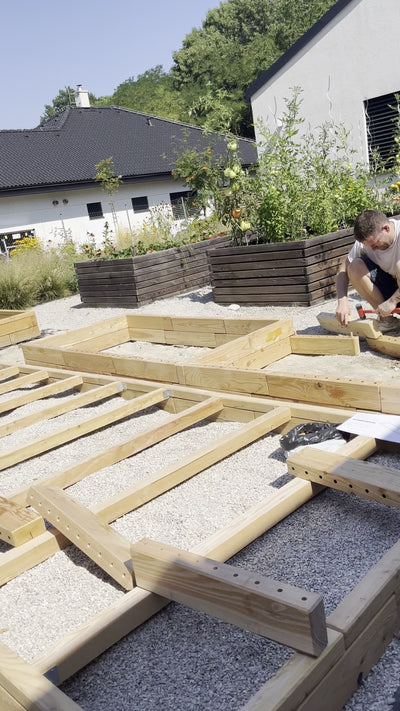
The robust construction of GridGarden's Brick Premium raised beds, crafted from solid 60mm European red larch, provides an exceptionally stable and durable foundation for perennial plantings. This robust construction is key for long-term success, ensuring the bed itself lasts as long as your perennials. Solid 60 mm larch, no chemical treatment. Expect 15-25 years in an ordinary garden; with good drainage and no standing water, 25+ years.
What soil preparation is ideal for long-term perennial success?
For long-term perennial success in a raised bed, a well-draining, nutrient-rich soil mix with good organic content is essential, often built in layers to maximize benefits. Proper soil preparation is arguably the most critical step when establishing a perennial raised bed, as these plants will reside in this soil for many years.
A common and highly effective method for filling raised beds involves layering different organic materials. This approach, often referred to as "hüglekultur" or simply layered filling, creates a dynamic environment that mimics natural forest floors, providing excellent drainage, aeration, and a slow release of nutrients over time. For a comprehensive guide, refer to How to Start a Raised Bed Garden.
- Bottom Layer (Drainage and Slow Decomposition): Start with a layer of coarser materials at the very bottom, roughly 15-20 cm deep. This can include small branches, wood chips, twigs, or coarse gravel. This layer ensures excellent drainage, preventing water from pooling at the base of the bed. As these materials slowly decompose over the years, they will also contribute organic matter and nutrients to the soil.
- Middle Layer (Nutrient and Moisture Retention): Above the drainage layer, add a substantial layer of partially decomposed organic matter. This might include older compost, leaves, grass clippings, straw, or even inverted sod (grass side down). This layer acts as a sponge, retaining moisture and providing a rich source of nutrients as it continues to break down. Aim for a depth of approximately 20-30 cm.
- Top Layer (Premium Growing Medium): The top 20-30 cm of your raised bed should consist of a high-quality growing mix where your perennials will directly root. This typically comprises a blend of good quality topsoil, mature compost, and possibly some sand or perlite if your topsoil is heavy, to further enhance drainage. The ideal mix should be loose, well-aerated, and rich in organic matter. A slightly acidic to neutral pH (around 6.0-7.0) is generally suitable for most common perennials.
It's important to avoid using pure garden soil from your existing landscape if it's known to be poor quality, compacted, or full of weed seeds. The goal is to create an optimal environment from the start. Over time, as the organic matter in the lower layers decomposes, the soil level in your raised bed will naturally settle. Annual replenishment of the top layer with 5-10 cm of fresh compost or well-rotted manure will help maintain nutrient levels and soil structure for your long-lived perennials.
How to design and maintain a perennial raised bed?
Designing a perennial raised bed involves careful plant selection and spacing, while maintenance focuses on consistent watering, mulching, and occasional division to ensure long-term health. A thoughtful approach to both design and ongoing care will ensure your raised bed thrives for many seasons.
Design Considerations:
- Plant Selection and Grouping: Choose perennials that share similar requirements for sunlight, water, and soil pH. Grouping plants with similar needs simplifies care. Consider the mature size of each plant – both height and spread – to avoid overcrowding.
- Layering for Visual Interest: Place taller plants towards the back (or the north side of the bed for optimal sun exposure) and progressively shorter plants towards the front. This creates a visually appealing layered effect and ensures all plants receive adequate light.
- Companion Planting: Explore companion planting principles, where certain plants benefit from being grown near each other. For example, some herbs can deter pests from nearby ornamentals.
- Accessibility: Design your bed so you can easily reach all parts of it for planting, weeding, and maintenance. The modular nature of GridGarden's Brick Premium beds allows for custom shapes like L-shapes or U-shapes, which can improve access compared to a simple rectangle. You can even design custom configurations with our Bed Wizard configurator.
Ongoing Maintenance:
- Watering: During the first year, consistent watering is crucial for establishing strong root systems. Once established, many perennials are more drought-tolerant than annuals, but they will still benefit from deep, infrequent watering during dry spells. Avoid overhead watering to reduce the risk of fungal diseases.
- Mulching: Apply a 5-10 cm layer of organic mulch (such as wood chips, shredded leaves, or straw) over the soil surface. Mulch helps conserve soil moisture, suppresses weeds, regulates soil temperature, and slowly adds organic matter as it breaks down.
- Fertilizing: Established perennials generally require less supplemental feeding than hungry annuals. A yearly top-dressing of 5-10 cm of good quality compost in the spring is often sufficient to replenish nutrients and maintain soil health. You may also use a slow-release organic fertilizer if your soil tests indicate a specific deficiency.
- Deadheading and Pruning: Remove spent flowers (deadhead) to encourage additional blooms, prevent unwanted self-seeding, or simply tidy up the plant's appearance. Pruning can be done to maintain shape, remove dead or diseased foliage, or encourage bushier growth.
- Division: Many perennials benefit from division every 3-5 years. Signs that a plant needs dividing include reduced flowering, a dead center, or simply outgrowing its space. Division rejuvenates the plant and provides new plants to share or expand your garden. The contained nature of a raised bed can make this task somewhat easier.
- Winter Protection: In colder Central European regions (especially zones 5-6), some less hardy perennials may benefit from additional winter protection. A thicker layer of mulch (up to 15 cm) applied in late autumn can insulate roots from extreme cold and damaging freeze-thaw cycles. Evergreen boughs can also be placed over plants for extra protection.
| Feature | Annuals in Raised Beds | Perennials in Raised Beds |
|---|---|---|
| Lifespan | One growing season | Multiple growing seasons (typically many years) |
| Maintenance | High initial effort (annual replanting, frequent fertilizing) | Lower ongoing effort (minimal replanting, less frequent fertilizing) |
| Cost | Higher annual cost for new plants | Higher initial cost, lower long-term cost |
| Soil Impact | Frequent disturbance, potential for nutrient depletion | Stable soil structure, less disturbance, builds organic matter |
| Appearance | Instant, flexible design changes each year | Established, mature look, consistent design, early spring growth |
| Biodiversity | Can attract pollinators for one season | Consistent food source and habitat for pollinators and beneficial insects |
| Winter Care | Typically removed at end of season | Many require minimal winter care; some benefit from mulch |
| Root System | Shallow, fibrous | Often deep and extensive, contributing to soil health |
Key Takeaways
- Perennials offer a low-maintenance, long-term gardening solution for raised beds, ideal for Central European climates by reducing annual replanting.
- Raised beds provide superior drainage, warmer soil, and controlled growing conditions crucial for perennial health and longevity.
- Careful soil preparation, with a focus on layered filling for drainage and organic matter, is vital for long-lasting perennial success.
- Design your raised bed with mature plant size in mind, and maintain it with mulching, proper watering, occasional pruning, and division.
- Robust raised beds, like GridGarden's 60mm larch Brick Premium, provide the durability needed to support decades of perennial enjoyment.
Frequently Asked Questions
Can all perennials grow in raised beds?
While many perennials thrive in raised beds, it's important to choose species suited to your local Central European climate zone and the specific conditions of your raised bed (sun exposure, moisture levels). It's generally advisable to avoid very large, aggressively spreading, or deeply tap-rooted perennials that might outgrow the bed quickly or become difficult to manage in a confined space.
How deep should a raised bed be for perennials?
A depth of approximately 40-60 cm is typically sufficient for most common perennials, allowing ample space for robust root development and ensuring good drainage. For perennials with exceptionally deep taproots or those that require significant root space, such as asparagus or rhubarb, a deeper bed of 70-80 cm can be beneficial.
Do perennials need winter protection in raised beds?
In Central Europe's colder climate zones, some less hardy perennials may benefit from additional winter protection in raised beds. The elevated nature of raised beds can expose roots to more cold than in-ground plantings. Applying a thick layer of mulch (e.g., straw, shredded leaves, or evergreen boughs) over the soil surface in late autumn helps insulate roots from extreme cold and damaging freeze-thaw cycles.
How often should I divide perennials in a raised bed?
The frequency for dividing perennials varies by species, but a general guideline for many common perennials is every 3-5 years. Signs that a plant may need dividing include reduced flowering, a dead center, or the plant simply becoming overcrowded. Division helps rejuvenate plants, maintain their vigor, and can also provide new plants to propagate.
Will the soil in my perennial raised bed deplete over time?
Yes, over several years, the organic matter in the soil will naturally break down, and nutrients will be absorbed by your plants. To maintain optimal soil health and fertility for your long-lived perennials, it is highly recommended to top-dress your raised bed annually with 5-10 cm of high-quality compost or well-rotted manure, typically in the spring. This replenishes nutrients and improves soil structure.
Related Articles
From AI Design to Tool-Free Build: Your Dream Garden in a Weekend
22. 08. 2026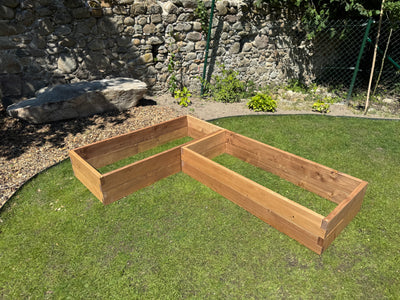
Endless Possibilities: Designing Custom Raised Beds with GridGarden's Modular System
20. 08. 2026
Raised Bed Cost Comparison: GridGarden vs. Traditional DIY & Kits in Central Europe
19. 08. 2026