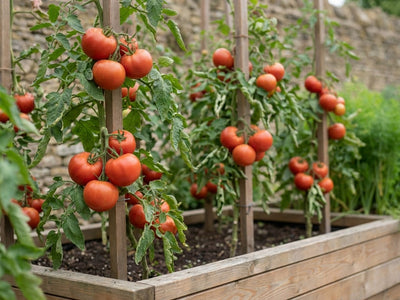
Raised Bed Cost Calculator: Plan Your Dream Garden on a Budget
Share
Embarking on a raised garden bed project is an exciting step towards a more productive and enjoyable garden. However, one of the first questions many aspiring gardeners ask is, "How much will this actually cost?" Planning your budget effectively from the outset can prevent surprises and ensure your dream garden becomes a reality without financial strain. This guide will walk you through the various components that contribute to the overall cost of a raised bed, helping you use a "raised bed cost calculator" approach to plan wisely.
What Factors Influence the Cost of a Raised Bed Garden?
The cost of a raised bed garden is influenced by several key factors, including the chosen materials, the size and design of the bed, the type and volume of soil required, and the cost of plants, seeds, and any additional accessories. Each element plays a significant role in the overall investment, making it crucial to consider them all during your planning phase.
From the foundational structure to the living plants within, every decision you make impacts the final price tag. For instance, selecting a premium, long-lasting material like solid 60mm larch will have a different initial cost compared to a temporary solution, but it promises greater durability and less maintenance over time. Similarly, a larger raised bed will naturally require more materials for construction and a greater volume of soil for filling, directly increasing the overall expense. Understanding these interconnected factors is the first step in creating an accurate budget for your raised bed project.
How Do Material Choices Impact Your Raised Bed Budget?
Material choices significantly impact your raised bed budget, with options ranging from untreated wood like our durable 60mm larch to generic spruce, concrete blocks, metal, or recycled plastic. The material you select dictates not only the initial purchase price but also the longevity, maintenance requirements, and aesthetic appeal of your raised bed.
At GridGarden, we specialize in the **Brick Premium** line, featuring solid 60mm European red larch (Larix decidua) planks. Larch is naturally resistant to rot and pests, making it an excellent choice for outdoor structures. This robust material means your investment is designed to last:
- Solid 60 mm larch, no chemical treatment. Expect 15-25 years in an ordinary garden; with good drainage and no standing water, 25+ years.
While the initial cost for premium larch might be higher than some alternatives, its exceptional lifespan and minimal maintenance often lead to better long-term value. For example, a raised bed made from generic, thinner spruce lumber, commonly available as a DIY option, might be cheaper upfront but typically has a shorter lifespan, often requiring replacement or significant repairs within 5-10 years, especially in Central European climates. This can lead to recurring costs and more labor over time.
Other materials, such as galvanized steel, offer a modern look and moderate durability, while concrete blocks are very long-lasting but lack flexibility in design and can be labor-intensive to install. Recycled plastic beds are lightweight and durable but can vary widely in cost and appearance. When considering your budget, think beyond the immediate purchase price and evaluate the total cost of ownership over the lifespan of the raised bed. For a deeper dive into material considerations, you might find our Raised Bed Buying Guide helpful.
What Size and Shape Raised Bed Fits Your Budget and Garden?
The size and shape of your raised bed directly influence the amount of material and soil needed, thus impacting the overall cost, with larger or more complex designs typically requiring a greater investment. Determining the ideal dimensions involves balancing your gardening ambitions with your available space and financial plan.
GridGarden's unique modular snap-in connector system allows for unparalleled flexibility in design. While standard rectangular beds are often the most straightforward and cost-effective, our system makes it easy to create L-shape, U-shape, or even custom configurations to perfectly fit your garden layout. A larger bed, while offering more planting space, will require more 60mm larch planks and a significantly greater volume of soil and compost to fill, directly increasing your material and filling costs. Conversely, a smaller bed will be less expensive but might limit your planting options.
Our free 3D configurator, GridGarden Studio, is an excellent tool for visualizing different sizes and shapes. It provides an immediate cost estimate as you design, allowing you to experiment with various dimensions and see their budgetary implications in real-time. This helps you find the perfect balance between your desired garden size and your budget. For more insights on planning your garden layout, explore our Complete Guide to Raised Garden Beds in Europe.
How Much Does Filling a Raised Bed Typically Cost?
Filling a raised bed typically involves layers of organic material, compost, and specific growing media, with costs varying based on the bed's volume and the quality of the materials sourced. The soil and filling materials often represent a significant portion of the total raised bed cost, especially for larger beds.
A popular and effective filling method for raised beds is the "hugelkultur" technique, which involves layering organic materials. This approach can help reduce the amount of expensive topsoil needed while improving drainage and soil fertility over time. A typical layering strategy might include:
- Bottom Layer (Drainage): Coarse materials like branches, logs, or wood chips. These decompose slowly, releasing nutrients and creating air pockets for drainage. Sourcing these from your garden or local tree service can often be free or low-cost.
- Middle Layer (Organic Matter): Leaves, grass clippings, straw, or unfinished compost. These materials break down faster, adding rich organic matter to the soil.
- Top Layer (Growing Medium): A mix of high-quality compost and topsoil. This is where your plants will grow, so investing in good quality here is beneficial.
The cost of the top layers can vary. Buying bagged potting mix from a garden center is convenient but can be expensive for large volumes. Purchasing bulk compost and topsoil from a local landscape supplier is often more economical for bigger projects, though delivery fees should be factored in. Many gardeners find that creating their own compost can significantly reduce long-term costs. Always ensure your soil and compost are free from harmful chemicals or persistent herbicides. For practical advice on filling your bed, see our guide on How to Start a Raised Bed Garden.
What About the Cost of Plants, Seeds, and Accessories?
The cost of plants, seeds, and gardening accessories can add a significant amount to your overall raised bed budget, ranging from inexpensive seed packets to specialized tools, irrigation systems, or pest control solutions. These are the "finishing touches" that bring your raised bed to life and help it thrive.
Seeds vs. Seedlings:
- Seeds: Generally the most economical option, especially for common vegetables and herbs. A single packet can yield many plants, making it very budget-friendly.
- Seedlings/Transplants: More expensive per plant but offer a head start, which can be valuable for plants with long growing seasons or for filling gaps quickly.
Gardening Tools:
- Essentials: A good trowel, hand fork, pruning shears, and watering can are typically sufficient for most raised bed gardens. These are a one-time purchase that can last for years.
- Specialized Tools: Depending on your ambitions, you might consider a soil thermometer, pH meter, or seed-starting trays, which add to the initial setup cost.
Irrigation Systems:
- Manual Watering: The cheapest method, requiring only a watering can or hose.
- Drip Irrigation: An initial investment in hoses, emitters, and timers, but can save water and time in the long run. Considered an efficiency investment, rather than an added cost.
Pest and Disease Control:
- Organic Solutions: Companion planting, neem oil, or insecticidal soap are often cost-effective and environmentally friendly.
- Physical Barriers: Row covers or netting can protect plants from pests and birds, adding to the initial setup cost but potentially saving crops.
Planning for these items can help you manage your budget and ensure you have everything you need for a successful growing season.
Can a Raised Bed Save You Money in the Long Run?
While there is an initial investment, a well-planned raised bed can offer long-term savings through increased yields, reduced water usage, and avoided costs of store-bought produce, especially when considering durable materials like our 60mm larch. Many gardeners find that the benefits extend beyond just monetary savings, encompassing health, enjoyment, and self-sufficiency.
Here's how raised beds can be a smart financial choice:
- Higher Yields: Raised beds allow for better soil control, improved drainage, and warmer soil temperatures, which can lead to healthier plants and more abundant harvests. Growing your own organic vegetables, fruits, and herbs can significantly reduce your grocery bill, particularly for specialty produce.
- Reduced Water Usage: With targeted watering and often better water retention in the contained soil, raised beds can be more water-efficient than traditional in-ground gardens.
- Less Weeding & Pests: The contained nature of raised beds, combined with quality soil, often means fewer weeds and easier pest management, saving you time and potentially the cost of pest control products.
- Durability and Longevity: Investing in high-quality materials, such as GridGarden's 60mm larch, means your raised bed will last for decades. This eliminates the need for frequent replacements or repairs, providing excellent value over its lifespan. While the initial cost of a raised bed can be a consideration, its long-term benefits often outweigh the upfront expense.
- Health Benefits: Growing your own food ensures you have fresh, chemical-free produce, contributing to a healthier diet and potentially reducing healthcare costs in the long run.
Considering these benefits, a raised bed is not just an expense but an investment in your home, health, and future food security.
How Can GridGarden's Configurator Help You Plan Your Budget?
GridGarden's free 3D configurator, GridGarden Studio, is an invaluable tool for planning your raised bed project, allowing you to design custom shapes and sizes while providing an immediate cost estimate to help manage your budget effectively. This interactive platform takes the guesswork out of estimating material costs.
Here’s how GridGarden Studio simplifies your budgeting process:
- Real-time Pricing: As you add or remove planks, adjust dimensions, or change the bed's shape (from simple rectangles to complex L-shapes or U-shapes), the configurator instantly updates the total price. This transparency allows you to see the direct financial impact of your design choices.
- Customization without Surprises: Design precisely the raised bed you envision, whether it's a small herb garden or a large multi-section vegetable plot. The configurator ensures you get an accurate cost for your specific custom configuration, avoiding unexpected expenses later.
- Visual Planning: The 3D visualization helps you understand the scale and appearance of your raised bed in your garden. You can even use our AI Garden Designer feature to visualize the bed in a photo of your actual garden space, ensuring it fits both aesthetically and financially.
- Material Efficiency: The modular system inherently optimizes material use, and the configurator reflects this by calculating the exact number of 60mm larch planks and connectors needed for your design.
- Save and Share: You can save your designs and return to them later, making it easy to compare different options or share them with family members for input before making a final decision.
Using GridGarden Studio is a crucial step in a data-driven approach to planning your raised bed, ensuring your project aligns perfectly with your budget and gardening goals.
| Material Type | Typical Lifespan | Initial Cost (Relative) | Maintenance | Design Flexibility |
|---|---|---|---|---|
| GridGarden Brick Premium (60mm Larch) | 25+ years in ideal conditions — 15-25 in an ordinary garden. | Medium-High | Very Low (no chemical treatment needed) | High (Modular, L/U/custom shapes via configurator) |
| Generic Spruce (DIY lumber) | Approximately 5-10 years (untreated) | Low | Medium (may require regular treatment/replacement) | Medium (requires cutting, fastening) |
| Generic Galvanized Steel | Approximately 15-20 years | Medium | Low (can heat up in sun) | Medium (pre-fabricated shapes, limited custom) |
| Generic Concrete Blocks | 50+ years | High (initial material & labor) | Very Low | Low (heavy, difficult to reconfigure) |
Key Takeaways for Budgeting Your Raised Bed:
- A comprehensive budget considers material, size, soil, plants, and accessories.
- Durable materials like GridGarden's 60mm larch offer long-term value, offsetting higher initial costs with extended lifespan and minimal maintenance.
- The size and shape of your raised bed directly impact material and soil volume, making GridGarden's modularity and configurator valuable for planning.
- Strategic soil filling, including "hugelkultur" layering, can reduce costs and improve soil health.
- GridGarden Studio provides real-time pricing for custom designs, ensuring your project aligns with your financial plan.
Frequently Asked Questions
How much does a raised bed typically cost?
The typical cost of a raised bed can vary significantly, ranging from a few hundred euros for a basic, smaller bed made from less durable materials, up to several thousand euros for large, custom-designed beds built with premium materials like GridGarden's 60mm larch, plus the cost of soil and plants. Factors like material choice, size, shape, and filling materials all play a major role in the final price.
Is it cheaper to build or buy a raised bed?
Building a raised bed from scratch using generic lumber can sometimes have a lower upfront material cost, especially if you have the tools and skills. However, buying a pre-designed, modular system like GridGarden's Brick Premium often offers advantages in terms of ease of assembly, precision, durability, and a guaranteed lifespan, which can result in significant savings in time and long-term maintenance. When considering complex shapes or specific dimensions, the value of a modular system with a configurator often outweighs the perceived savings of DIY.
What is the most durable material for a raised bed?
Solid 60mm European red larch, as used in GridGarden's Brick Premium beds, is one of the most durable materials for raised beds, especially when left untreated. It is naturally resistant to rot and pests. Expect 15-25 years in an ordinary garden; with good drainage and no standing water, 25+ years. Other highly durable options include concrete blocks or certain types of metal, though they offer different aesthetic and practical considerations.
How much soil do I need for a raised bed?
The amount of soil you need depends entirely on the dimensions (length, width, and height) of your raised bed. To estimate, you can calculate the volume in cubic meters (length × width × height). For example, a raised bed 2 meters long, 1 meter wide, and 0.6 meters high would require 1.2 cubic meters of filling material. Remember that you can use a "hugelkultur" layering technique to reduce the total volume of expensive topsoil needed.
Can I expand my raised bed later?
Yes, with GridGarden's modular snap-in connector system, expanding your raised bed later is straightforward. Our unique design allows you to easily add more 60mm larch planks and connectors to extend the length, width, or even convert a rectangular bed into an L-shape or U-shape as your gardening needs evolve. This modularity offers excellent long-term flexibility and adaptability for your garden.
Related Articles
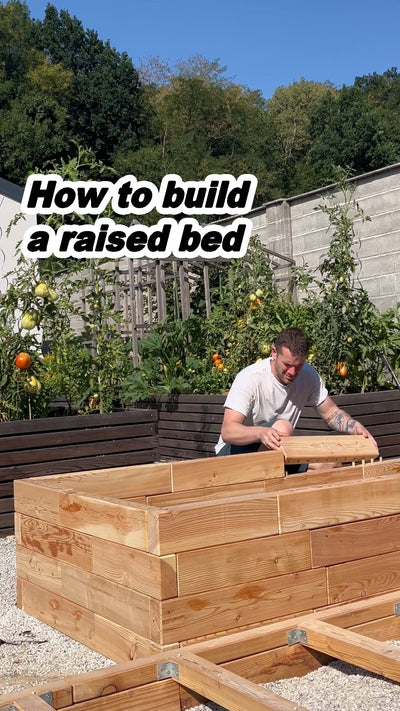
Raised Bed Cost Comparison: Larch vs. Other Materials in Central Europe
26. 08. 2026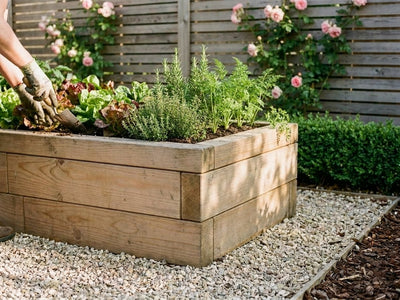
Choosing Your Raised Bed: Larch vs. Metal, Plastic & Composite (A Buyer's Guide)
24. 08. 2026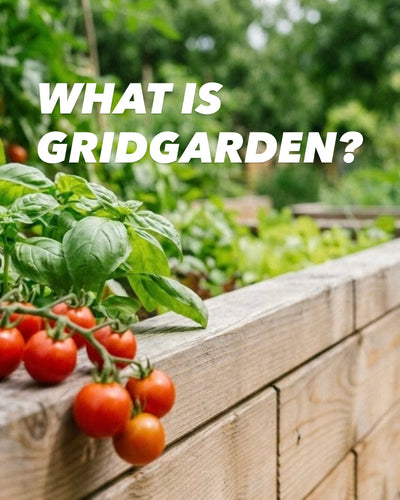
Raised Bed Cost Comparison: GridGarden vs. Traditional DIY & Kits in Central Europe
19. 08. 2026