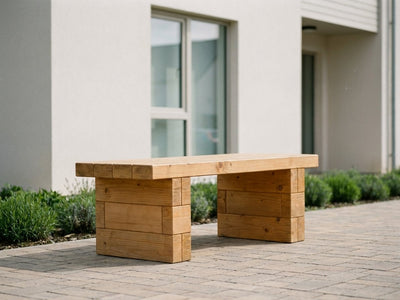
Choosing Your Raised Bed: Larch vs. Metal, Plastic & Composite (A Buyer's Guide)
Share
Embarking on a raised bed gardening journey requires careful consideration of materials. With options ranging from natural wood to various synthetics, understanding the pros and cons of each is key to making an informed decision that aligns with your gardening goals, budget, and environmental values. The selection of materials for raised garden beds is significantly influenced by local availability, the specific type of bed being constructed, and the allocated budget, as noted in research on raised bed materials.
This comprehensive guide will compare European larch with popular alternatives like metal, plastic, and composite materials, helping you choose the best foundation for your thriving garden. For a broader overview of raised bed gardening, explore our Complete Guide to Raised Garden Beds in Europe.
What makes larch a superior choice for raised beds?
Larch stands out as a superior choice for raised beds due to its exceptional natural durability, robust structure, and attractive appearance, offering a long lifespan without the need for chemical treatments. European larch (Larix decidua) is a coniferous wood highly prized in Central Europe for its strength and natural resistance to rot and insect infestation. Unlike many other softwoods, larch contains natural resins and tannins that provide inherent protection against decay, classifying it as EN 350 durability class 3-4 untreated.
This inherent durability means that a solid 60 mm larch raised bed, like the Brick Premium from GridGarden, can be expected to last 15-25 years in an ordinary garden setting; with good drainage and no standing water, you can anticipate 25+ years. This impressive lifespan far exceeds that of many other wood species, especially untreated ones, and often surpasses the practical longevity of some synthetic options. The substantial 60mm thickness of GridGarden's planks not only contributes to this durability but also provides excellent thermal insulation for the soil, protecting delicate root systems from extreme temperature fluctuations common in Central European climates. Furthermore, larch ages beautifully, developing a silvery-grey patina over time, which adds a natural, rustic charm to any garden design.
How does larch compare to metal raised beds?
Larch offers a natural aesthetic and superior insulation for plant roots, while metal beds provide a modern look and are generally lighter, though they can heat up rapidly. Metal raised beds typically come in galvanized steel, corrugated iron, or aluminum. Their primary appeal often lies in their contemporary appearance, relatively quick assembly, and resistance to rot and pests. Galvanized steel, coated with zinc, is a common choice for its rust resistance. However, concerns about the safety of galvanized metal for vegetable gardening have been raised. According to Ask Extension, using galvanized metal raised beds for growing vegetables is generally considered safe, but certain precautions should be taken to minimize potential risks.
"Using galvanized metal raised beds for vegetable gardening is generally considered safe, but specific considerations apply to minimize potential risks."
— Ask Extension Expert, Galvanized metal raised beds, do we need to be concerned about toxins leaching from thrm - Ask Extension
One significant drawback of metal beds, particularly in sunny climates common across Europe, is their tendency to absorb and conduct heat. This can lead to significantly higher soil temperatures, potentially stressing plant roots and requiring more frequent watering. Larch, with its 60mm thick planks, acts as a natural insulator, maintaining more stable soil temperatures crucial for healthy plant growth. While metal beds might be lighter to transport, their sharp edges can sometimes be a hazard, and they may dent or warp over time. Larch, conversely, provides a robust, stable structure that is less prone to physical damage from impacts.
Are plastic or composite raised beds a good alternative?
Plastic and composite raised beds offer durability and minimal maintenance, but they often lack the natural charm of wood and present different environmental considerations. Plastic raised beds are typically made from recycled plastics or virgin HDPE (high-density polyethylene). Their main advantages include being lightweight, inexpensive, and completely impervious to rot, insects, and moisture. They require very little maintenance beyond occasional cleaning. However, plastic can become brittle and degrade over time due to UV exposure, potentially leading to cracking or discoloration. The aesthetic is often less natural, and some gardeners prefer to avoid plastic in their food-growing spaces due to microplastic concerns, although most food-grade plastics are considered safe.
Composite raised beds, usually a blend of recycled plastic and wood fibers, aim to combine the best of both worlds. They offer enhanced durability, resistance to rot and pests, and a more wood-like appearance than pure plastic, often without the need for sealing or staining. They are generally heavier and more rigid than pure plastic. However, composite materials can still be susceptible to warping in extreme temperatures, and their cost is typically higher than basic plastic or even some wood options. The environmental impact of these materials is also a factor; while often made from recycled content, their end-of-life disposal can be problematic. When choosing materials for raised garden beds, it is important to consider the environmental impact of the chosen material, as highlighted by agricultural extension resources.
What about DIY raised beds using spruce or thinner planks?
DIY options using readily available materials like spruce or thinner planks are often chosen for their initial low cost but typically offer significantly shorter lifespans and less structural integrity compared to robust larch solutions. Many home gardeners consider building their own raised beds using locally sourced lumber such as spruce (Picea abies), which is common and inexpensive across Central Europe. While this can seem like a budget-friendly approach, spruce is naturally less durable than larch. Untreated spruce typically falls into EN 350 durability class 3-4, but in direct contact with soil, its lifespan is often only 5-10 years before significant rot sets in, especially if the planks are thin.
Furthermore, using thinner planks, such as 18mm or 40mm, for DIY or competitor kits presents structural challenges. These thinner boards are more prone to bowing, warping, and splitting under the pressure of soil and moisture, particularly in larger beds. They also offer much less thermal insulation than a solid 60mm larch plank, leaving roots more exposed to temperature extremes. While recycled wood can be an excellent choice for a DIY project, as noted by Bob Westerfield and David Berle, "In many situations, recycled wood is the best choice.", its durability will still depend on the wood species and its condition. For a truly long-lasting and stable raised bed, the initial investment in a robust material like 60mm larch often proves more economical over its extended lifespan, avoiding the need for frequent repairs or replacements. For more insights on wood choices, refer to our article on the Best Wood for Raised Beds.
What is the typical lifespan and maintenance for different materials?
Larch offers an impressive lifespan of 15-25 years (or 25+ in ideal conditions) with minimal maintenance, while other materials like metal, plastic, and composite vary in their longevity and care requirements. The choice of material significantly impacts both the initial investment and the long-term commitment to your garden bed. Natural wood, like larch, benefits from its inherent properties, while synthetic options rely on engineered durability.
| Material | Expected Lifespan (untreated/ordinary conditions) | Maintenance | Insulation | Aesthetic | Typical Cost (Relative) |
|---|---|---|---|---|---|
| European Larch (60mm) | 15-25 years (25+ in ideal conditions) | Minimal (optional oiling for color retention) | Excellent | Natural, elegant, ages to silver-grey | Medium-High |
| Galvanized Metal | 10-20 years (can rust at seams) | Periodic checks for rust, cleaning | Poor (heats up quickly) | Modern, industrial | Medium |
| Plastic (HDPE/Recycled) | 10-15 years (can degrade in UV) | Minimal (washing) | Fair | Functional, synthetic | Low |
| Composite (Wood-Plastic) | 15-25 years (can warp, fade) | Minimal (washing) | Good | Engineered wood look | High |
| DIY Spruce (thin planks) | 5-10 years (prone to rot) | Regular checks for rot, repairs | Fair-Poor (depends on thickness) | Rustic, varies | Low (initial) |
While plastic and composite beds require very little hands-on maintenance, their aesthetic longevity might not match their structural lifespan, as fading or warping can occur. Metal beds may require occasional checks for rust, especially at seams or where the coating is compromised. Larch, on the other hand, is remarkably low maintenance. Its natural durability means no chemical treatments are necessary, and while optional oiling can preserve its original color, many prefer the elegant silvery-grey patina it naturally develops. This long-term, low-effort performance makes larch a compelling choice for busy gardeners. For more detailed comparisons, see our article Wood vs Metal vs Plastic Raised Beds.
How do GridGarden's Brick Premium larch beds stand out?
GridGarden's Brick Premium larch beds distinguish themselves through their unique modularity, robust 60mm plank construction, and advanced design tools, offering unparalleled customization and durability for any garden. Unlike many competitors who offer only fixed rectangular kits, GridGarden provides a truly flexible system. Our proprietary snap-in connector system allows for easy assembly and, crucially, expansion or reconfiguration over time. This means you're not locked into a single design; your raised bed can grow and adapt with your garden.
The core of our offering is the solid 60mm European red larch planks. This substantial thickness provides superior structural integrity against soil pressure and excellent thermal insulation, protecting your plants from temperature extremes common in Central Europe. We are the only manufacturer to offer such a robust modular system. Gardeners can design rectangular, L-shape, U-shape, or even complex custom configurations using our free 3D configurator, GridGarden Studio. This intuitive tool, coupled with an AI Garden Designer for photo-to-render visualization, empowers you to visualize your dream garden before you build it. Supporting over 10 languages and focusing on Central European climate zones (6-7), GridGarden is tailored to the needs of gardeners across the region, ensuring a product that is not just durable but also perfectly suited to your local environment. Discover how easy it is to start a raised bed garden with our innovative system.
Key Takeaways
- European larch (60mm thick) offers exceptional natural durability, lasting 15-25 years (25+ in ideal conditions) without chemical treatment.
- Larch provides superior thermal insulation for soil and roots compared to heat-absorbing metal beds.
- While plastic and composite beds are low-maintenance, they may lack the natural aesthetic of wood and carry different environmental considerations.
- DIY options with thinner planks or less durable woods like spruce offer lower initial costs but have significantly shorter lifespans and less structural stability.
- GridGarden's Brick Premium larch beds feature a unique 60mm modular system, allowing for custom shapes and future expansion, supported by advanced design tools.
Frequently Asked Questions
Is larch safe for growing vegetables?
Yes, European larch is an excellent and safe choice for growing vegetables. It is naturally rot-resistant due to its high resin and tannin content, meaning it does not require chemical treatments or preservatives that could potentially leach into the soil. GridGarden's 60mm larch planks are untreated, ensuring a natural and healthy environment for your edible plants.
How much does a larch raised bed cost compared to other materials?
The initial cost of a high-quality 60mm larch raised bed, like GridGarden's Brick Premium, is typically in the medium-to-high range compared to basic plastic or DIY spruce. However, when considering its exceptional lifespan (15-25 years, 25+ ideal) and minimal maintenance requirements, the long-term cost-effectiveness often surpasses cheaper alternatives that require frequent replacement or repair.
Can I expand a GridGarden raised bed later?
Absolutely! GridGarden's Brick Premium system is designed for complete modularity and expandability. Thanks to our unique snap-in connector system, you can easily add more planks and connectors to extend the length, width, or even convert a rectangular bed into an L-shape or U-shape as your gardening needs evolve. This flexibility ensures your investment grows with you.
What is the best material for a raised bed in a cold climate?
For cold climates, larch is an excellent choice due to its superior thermal insulation properties. The thick 60mm larch planks help to buffer soil temperatures, keeping roots warmer during cold snaps and promoting earlier planting in spring. Metal beds, conversely, can draw heat away from the soil, making them less ideal for very cold conditions.
Sources & Further Reading
Last verified: 2026-08-24.
- Raised Bed Materials: Raised Bed Materials, "Raised Bed Materials"
- Galvanized metal raised beds, do we need to be concerned about toxins leaching from thrm - Ask Extension: Galvanized metal raised beds, do we need to be concerned about toxins leaching from thrm - Ask Extension, "Galvanized metal raised beds, do we need to be concerned about toxins leaching from thrm - Ask Extension"
Ready to design your perfect garden? Explore the possibilities with GridGarden's free 3D configurator today and start building your dream raised bed with durable European larch. Design your custom raised bed now!
Related Articles
Raised Bed Cost Comparison: Larch vs. Other Materials in Central Europe
26. 08. 2026
Raised Bed Cost Comparison: GridGarden vs. Traditional DIY & Kits in Central Europe
19. 08. 2026
Raised Bed Cost Calculator: Plan Your Dream Garden on a Budget
13. 08. 2026