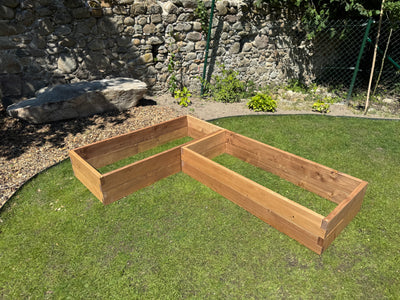
Raised Bed Planting Ideas: Spring, Summer, and Autumn Harvests in Central Europe
Share
Raised garden beds offer an exceptional advantage for gardeners across Central Europe, providing better drainage, warmer soil, and easier access compared to traditional in-ground plots. This guide delves into seasonal planting ideas, helping you make the most of your elevated growing space from the first thaws of spring through the crisp days of autumn.
Why are raised beds ideal for seasonal planting in Central Europe?
Raised beds are uniquely suited for seasonal gardening because they provide an optimized growing environment that can be precisely managed. The elevated structure allows the soil to warm up earlier in spring, which is a significant benefit in Central Europe's often unpredictable climate, enabling earlier planting. This early warmth, combined with superior drainage, prevents waterlogging and provides a healthier root environment for plants, leading to robust growth and higher yields throughout the growing season. For those new to raised bed gardening, understanding the fundamentals of setup and soil preparation is crucial. You can find a comprehensive overview in our guide on how to start a raised bed garden.
Furthermore, the contained nature of raised beds makes it easier to implement season-extending techniques. Simple additions like low tunnels or cloches can protect tender plants from late spring frosts or early autumn chills, significantly extending your harvest period. This adaptability makes raised beds an invaluable tool for gardeners aiming for continuous production. If you're looking for more general information on raised beds, our complete guide to raised garden beds in Europe provides an excellent starting point.
What are the best raised bed planting ideas for spring harvests?
For spring harvests, focus on cool-season crops that thrive in milder temperatures and can tolerate light frosts, taking advantage of the raised bed's earlier soil warming. As soon as the soil is workable, typically from March to April in many Central European regions, you can begin planting. Leafy greens like spinach (Spinacia oleracea), lettuce (Lactuca sativa), and arugula (Eruca sativa) are excellent choices, offering quick yields. Radishes (Raphanus sativus) mature rapidly, often in just 3-4 weeks, making them ideal for early succession planting.
Other suitable spring vegetables include peas (Pisum sativum), carrots (Daucus carota subsp. sativus), beets (Beta vulgaris), and Swiss chard (Beta vulgaris subsp. cicla). Herbs such as parsley (Petroselinum crispum) and dill (Anethum graveolens) can also be sown early. To further extend the spring season and protect against unexpected cold snaps, consider using row covers or cloches, which can be easily draped over simple hoops installed in your raised bed. This provides an extra layer of insulation, especially beneficial for early plantings. For detailed advice on selecting the right growing medium, refer to our article on the best soil mix for raised beds.
How can you maximize summer harvests in your raised bed?
To maximize summer harvests, focus on warm-season crops that require ample sunlight and consistent temperatures, and implement strategies like succession planting and interplanting. Once the danger of frost has passed, typically late May to early June in Central Europe, you can plant tomatoes (Solanum lycopersicum), peppers (Capsicum annuum), eggplants (Solanum melongena), and cucumbers (Cucumis sativus). These plants thrive in the summer heat and benefit from the deep, well-drained soil of a raised bed. Bush beans (Phaseolus vulgaris), zucchini (Cucurbita pepo), and sweet corn (Zea mays) are also excellent choices for the main summer growing season.
Succession planting is key for a continuous summer supply. This involves planting small batches of a crop every 2-3 weeks rather than planting everything at once. This ensures a steady harvest rather than a single large yield.
"If looking to continuously supply the kitchen with a variety of interesting and healthy fresh vegetables, then succession planting is a technique to try."For instance, plant a new row of lettuce or radishes every couple of weeks. Interplanting, or companion planting, also maximizes space by growing different crops together that benefit each other or have different growth habits (e.g., fast-growing radishes between slower-growing carrots). Consider adding flowers like marigolds (Tagetes spp.) to deter pests, or nasturtiums (Tropaeolum majus) which are edible and can act as trap crops. For a broader range of plant suggestions, explore our guide on what to plant in raised beds.
— Home Garden Education Office, Succession Planting | Home Garden Education Office | College of Agriculture, Health and Natural Resources | University of Connecticut
What are effective strategies for autumn harvests in raised beds?
For effective autumn harvests, focus on cool-season vegetables that can mature before hard frosts or tolerate light freezes, and aim for late-summer plantings. Many spring crops, such as spinach, lettuce, radishes, and Swiss chard, can be replanted in late summer (late July to August) for an autumn harvest as temperatures begin to cool. Kale (Brassica oleracea var. sabellica), collard greens (Brassica oleracea var. viridis), and broccoli (Brassica oleracea var. italica) are also excellent choices, as some even develop a sweeter flavor after a light frost.
Root vegetables like carrots, beets, and parsnips (Pastinaca sativa) can be sown in mid-summer for a late autumn or even early winter harvest, as they can often remain in the ground until needed, improving their flavor. For an extended season, consider planting garlic (Allium sativum) in autumn for a harvest the following summer. As with spring, row covers or cold frames can be used to protect plants from early frosts, allowing you to enjoy fresh produce well into November or even December in milder Central European regions. The well-drained nature of GridGarden's 60mm larch beds helps prevent root rot during wetter autumn months, ensuring healthy plant development.
How can you plan a year-round planting schedule for your raised bed?
Planning a year-round planting schedule involves understanding crop rotation, succession planting, and utilizing season-extension techniques. The goal is to ensure that as one crop finishes, another is ready to take its place, keeping your raised bed productive. Begin by mapping out your bed space and deciding which crops you want to grow each season. For example, a section used for early spring radishes could then be planted with bush beans for summer, followed by autumn spinach.
Consider the "bed rotation" principle, moving plant families to different sections of your raised bed each year to prevent nutrient depletion and disease buildup. For instance, if tomatoes (heavy feeders) were in one section this year, plant a legume (nitrogen fixer) there next year. Keep a gardening journal to track planting dates, harvest times, and yields, which will inform your planning for subsequent years. For Central European gardeners, understanding the local microclimate and average frost dates is essential for fine-tuning your schedule. Our modular GridGarden beds, available in various shapes like rectangular, L-shape, or U-shape, allow for easy division of planting zones, making crop rotation and seasonal planning simpler.
| Season | Typical Planting Window (Central Europe) | Example Crops | Key Considerations |
|---|---|---|---|
| Spring | March - April | Lettuce, Spinach, Radishes, Peas, Carrots, Swiss Chard | Cool-season crops, early soil warming, frost protection (row covers) |
| Summer | May (after last frost) - July | Tomatoes, Peppers, Cucumbers, Zucchini, Bush Beans, Basil | Warm-season crops, succession planting, consistent watering, staking |
| Autumn | Late July - September | Kale, Broccoli, Spinach, Lettuce, Carrots, Beets, Garlic (late autumn) | Cool-season crops, protection from early frosts, some crops sweeten with frost |
| Winter (Overwintering) | October - November | Garlic, Winter Lettuce varieties, Mâche (Corn Salad), Hardy Herbs | Hardy varieties, heavy mulching, cold frames, some crops for early spring harvest |
What maintenance is needed for year-round raised bed health?
Maintaining year-round health in your raised bed primarily involves vigilant soil care, appropriate watering, and proactive pest management. The foundation of a productive raised bed is its soil. After each growing season, it's beneficial to replenish nutrients by adding a layer of compost or well-rotted manure, especially in spring and autumn. This practice enriches the soil structure and provides essential nutrients for successive plantings. For more in-depth information on maintaining your soil, revisit our guide on the best soil mix for raised beds.
Watering needs change with the seasons; spring and autumn may require less frequent watering than the peak heat of summer. Always check the soil moisture level before watering, aiming for consistently moist but not waterlogged conditions. Drip irrigation systems are an efficient way to deliver water directly to the roots, minimizing evaporation and fungal diseases. Pest and disease management should be approached holistically. Regularly inspect your plants for signs of trouble, encourage beneficial insects, and use organic pest control methods when necessary. Rotating crops also helps break pest and disease cycles. By diligently attending to these aspects, your raised bed will remain a thriving environment for continuous harvests.
How do GridGarden raised beds support diverse seasonal planting?
GridGarden raised beds are specifically designed to support diverse seasonal planting through their robust construction and unique modularity. Our Brick Premium beds are crafted from solid 60mm thick European red larch (Larix decidua) planks, which provide excellent insulation for the soil, helping it warm up faster in spring and retain heat longer into autumn. This inherent durability means you can expect your raised bed to serve your gardening needs for 15-25 years in an ordinary garden, and with good drainage and no standing water, 25+ years.
The modular snap-in connector system allows for unparalleled flexibility. You can easily expand your raised bed as your gardening ambitions grow, or create specific L-shape, U-shape, or even custom configurations to fit any garden space. This adaptability is perfect for implementing different seasonal planting zones or for crop rotation. Our free 3D configurator, GridGarden Studio, allows you to design your ideal bed layout, visualizing how different shapes and sizes can accommodate your seasonal planting plans. Whether you're planning a small herb garden or a large vegetable plot, the durability and versatility of GridGarden beds make them an ideal choice for year-round gardening in Central Europe.
Key Takeaways
- Raised beds enhance seasonal planting by providing earlier soil warming, better drainage, and easier protection from frosts.
- Spring focuses on cool-season crops like lettuce, radishes, and peas, often benefiting from row covers for early starts.
- Summer is for warm-season plants such as tomatoes, peppers, and zucchini, with succession planting crucial for continuous harvests.
- Autumn allows for a second round of cool-season crops like spinach, kale, and carrots, extending the growing season.
- Year-round success relies on soil replenishment, smart watering, pest management, and the use of modular raised beds for flexible planning.
Frequently Asked Questions
What is the ideal soil depth for seasonal planting in a raised bed?
An ideal soil depth for most seasonal vegetables in a raised bed is typically 30-45 cm (12-18 inches). This depth provides ample space for root development for a wide range of crops, from shallow-rooted leafy greens to deeper-rooted carrots and tomatoes. Deeper beds, up to 60 cm (24 inches), offer even more versatility and are particularly beneficial for root vegetables and plants that require extensive root systems, while also reducing the frequency of watering.
Can I grow winter vegetables in my raised bed in Central Europe?
Yes, you can grow certain hardy winter vegetables in your raised bed in Central Europe, especially with protection. Crops like garlic (planted in autumn for summer harvest), winter lettuce varieties, mâche (corn salad), and some brassicas like kale can withstand colder temperatures. Using cold frames, thick layers of mulch, or row covers can significantly extend the growing season and allow for harvesting well into winter in milder regions, or protect plants for an early spring harvest.
How do I prevent pests and diseases when planting seasonally?
Preventing pests and diseases in seasonal raised beds involves several key practices: rotating crops to break pest cycles, encouraging beneficial insects by planting companion flowers, ensuring good air circulation around plants, and maintaining healthy soil. Regularly inspecting your plants for early signs of issues and promptly removing affected parts or using organic pest control methods can also keep your garden healthy. The elevated nature of raised beds inherently reduces some ground-borne pest and disease issues.
Is it necessary to replace the soil in my raised bed every year?
It is not necessary to completely replace the soil in your raised bed every year, but it is crucial to replenish nutrients and organic matter. Each season, plants draw nutrients from the soil. Therefore, adding a fresh layer of high-quality compost, well-rotted manure, or other organic amendments (typically 5-10 cm or 2-4 inches) in spring and/or autumn will keep your soil fertile and healthy for continuous planting. Over time, some soil compaction might occur, which can be alleviated by gently aerating the top layer before adding amendments.
Sources & Further Reading
Last verified: 2026-08-07.
- Planning Your Garden | Extension | West Virginia University: Planning Your Garden | Extension | West Virginia University, "Planning Your Garden | Extension | West Virginia University"
- Succession Planting | Home Garden Education Office | College of Agriculture, Health and Natural Resources | University of Connecticut: Home Garden Education Office, "Succession Planting | Home Garden Education Office | College of Agriculture, Health and Natural Resources | University of Connecticut"
Ready to design your ideal raised garden bed for year-round harvests? Explore the possibilities with our free 3D configurator:
Related Articles

Growing Perennials in Raised Beds: A Guide for Central Europe
25. 08. 2026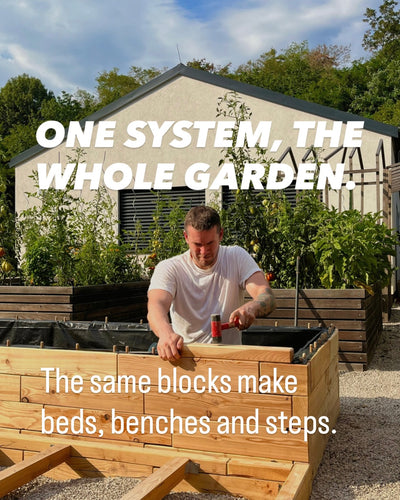
From AI Design to Tool-Free Build: Your Dream Garden in a Weekend
22. 08. 2026
Cultivating Medicinal Herbs in Raised Beds: A Central European Guide
21. 08. 2026