Cultivating Medicinal Herbs in Raised Beds: A Central European Guide
Share
The practice of growing and using medicinal herbs is deeply rooted in Central European tradition, passed down through generations. From soothing teas to natural remedies, these plants offer a powerful connection to nature and personal well-being. While many herbs can grow directly in the ground, cultivating them in raised garden beds offers distinct advantages, especially in the varied climates and soil conditions found across countries like Slovakia, Czechia, Germany, Austria, and Poland.
Raised beds provide a controlled environment that can significantly enhance the success and yield of your herbal garden. They address common gardening challenges, making it easier to nurture the specific needs of diverse medicinal plants. Let's explore how you can create a thriving medicinal herb sanctuary in your own garden.
Why Choose Raised Beds for Medicinal Herbs in Central Europe?
Raised beds offer superior control over soil composition, drainage, and microclimates, which is crucial for sensitive medicinal plants, especially when facing the diverse and sometimes challenging conditions of Central European gardens.
Many traditional garden soils in Central Europe can be heavy, clay-rich, or prone to compaction, making it difficult for the delicate root systems of some herbs to establish and thrive. Raised beds allow you to bypass these issues entirely by filling them with a custom-blended soil mix optimized for drainage and nutrient content. This immediate improvement in soil quality prevents waterlogging, a common killer of many Mediterranean herbs like thyme and lavender, and ensures roots have ample access to oxygen. Furthermore, the elevated nature of raised beds means the soil warms up faster in spring, extending the growing season and providing a head start for heat-loving herbs. They also offer a physical barrier against some common garden pests, like slugs and snails, and make weeding significantly easier due to better access and less compaction.
What Medicinal Herbs Thrive in Central European Raised Beds?
Many common and effective medicinal herbs, such as chamomile, calendula, peppermint, lemon balm, and valerian, adapt exceptionally well to the optimized conditions provided by raised beds in Central Europe, allowing them to flourish.
When selecting herbs for your raised bed, consider those that are well-suited to the Central European climate (typically USDA Hardiness Zones 6-7) and those with well-documented traditional uses. Here are a few examples:
- Chamomile (Matricaria chamomilla): Known for its calming properties, ideal for teas. Prefers full sun and well-drained soil.
- Calendula (Calendula officinalis): A beautiful flower with anti-inflammatory and skin-healing properties. Tolerates various conditions but thrives in sun and good drainage.
- Peppermint (Mentha piperita): Excellent for digestion and headaches. Can be invasive in traditional beds, making a raised bed a perfect containment solution. Prefers moist soil and partial shade to full sun.
- Lemon Balm (Melissa officinalis): Calming and uplifting, great for anxiety and sleep. Grows vigorously in most conditions, but appreciates good soil.
- Valerian (Valeriana officinalis): A strong sedative, often used for sleep disturbances. Needs deep, rich soil, which a raised bed can easily provide.
- Echinacea (Echinacea purpurea): Immune system booster. Prefers full sun and well-drained soil.
- St. John's Wort (Hypericum perforatum): Used for mood support. Needs full sun and well-drained soil.
- Thyme (Thymus vulgaris): Antiseptic and expectorant. Loves full sun and very sharp drainage.
- Lavender (Lavandula angustifolia): Calming and aromatic. Requires full sun and excellent drainage, which raised beds excel at providing.
For more ideas on what to cultivate, you might find inspiration in our guide on What to Plant in Raised Beds.
How Do Raised Beds Improve Soil and Drainage for Herb Cultivation?
Raised beds allow you to create a custom soil mix, ensuring optimal nutrient content and, critically, excellent drainage that prevents waterlogging—a common issue for many herbs that prefer drier conditions.
The foundation of a successful herb garden in a raised bed is its soil. Unlike in-ground gardens where you're often battling existing soil conditions, a raised bed is a blank canvas. You can fill it with a blend tailored precisely to the needs of your medicinal herbs. A typical ideal mix might include:
- High-quality compost: Provides essential nutrients and improves soil structure.
- Well-draining topsoil: The bulk of your mix.
- Perlite or coarse sand: Enhances drainage and aeration, especially crucial for herbs originating from Mediterranean climates.
This layered approach, often starting with coarser material at the bottom for drainage, topped with rich, loamy soil, ensures that roots are never sitting in stagnant water. This prevents root rot and encourages robust growth, leading to more potent and healthier medicinal plants. For a deeper dive into crafting the perfect foundation, explore our article on the Best Soil Mix for Raised Beds.
What Design Considerations are Important for a Medicinal Herb Raised Bed?
Key design considerations for a medicinal herb raised bed include selecting an appropriate size and shape to accommodate diverse herbs, ensuring easy accessibility for tending and harvesting, and strategically positioning the bed for optimal sunlight and protection from harsh Central European winds.
The beauty of modern raised bed systems, like GridGarden's Brick Premium, lies in their modularity and versatility. Made from solid 60 mm European red larch planks, these systems allow you to design a bed that perfectly suits your space and your herbs. Consider these factors:
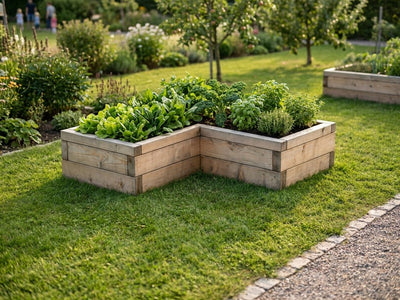
- Size and Shape: Rectangular beds are classic, but L-shape, U-shape, or even custom configurations (easily designed with tools like the GridGarden Studio configurator) can maximize planting area in awkward spaces or create ergonomic designs for easier access. For instance, an L-shaped bed can wrap around a corner, providing two distinct growing areas.
- Depth: Most herbs have relatively shallow roots, but a bed depth of at least 30-40 cm is generally recommended to allow for good drainage and sufficient soil volume. Deeper beds (60 cm or more) are excellent for herbs with taproots, like valerian, or if you want to minimize bending.
- Location: Most medicinal herbs thrive in full sun (at least 6-8 hours daily). Choose a spot that receives ample morning sun and potentially some afternoon shade in the hottest months, which can be beneficial in sun-drenched Central European summers. Proximity to your kitchen or back door makes daily tending and harvesting convenient.
- Material Durability: Given Central Europe's climate, choosing durable materials is paramount. GridGarden's 60 mm larch planks are naturally resistant to rot and pests. Solid 60 mm larch, with no chemical treatment, can expect 15-25 years in an ordinary garden; with good drainage and no standing water, 25+ years. This longevity means less maintenance and replacement over time compared to thinner, less robust materials.
Comparison: DIY vs. GridGarden Raised Beds for Medicinal Herbs
When considering a raised bed for your medicinal herbs, the choice between a DIY approach and a specialized modular system can significantly impact long-term success and enjoyment.
| Feature | DIY Raised Bed (e.g., 18mm-40mm Spruce) | GridGarden Brick Premium (60mm Larch) |
|---|---|---|
| Material Thickness | Typically 18mm-40mm (e.g., spruce, pine) | 60mm European Red Larch |
| Durability/Lifespan | Often 5-10 years; spruce/pine less resistant to rot, especially untreated. | 15-25 years in an ordinary garden; 25+ years with good drainage. Naturally rot-resistant. |
| Modularity & Expandability | Limited; typically fixed shapes and sizes once built. Difficult to modify. | Fully modular snap-in system. Easily expandable, reconfigurable, and adaptable over time. |
| Shape Options | Mainly rectangular or square; custom shapes require advanced carpentry skills. | Rectangular, L-shape, U-shape, and complex custom designs via online configurator. |
| Assembly Effort | Requires cutting, drilling, measuring, and specialized tools. Can be time-consuming. | Simple, tool-free snap-in assembly. Quick and easy for any gardener. |
| Cost Over Time | Lower initial cost, but higher long-term cost due to frequent replacement and repair. | Higher initial investment, but significantly lower long-term cost due to exceptional durability. |
How Can You Plan Your Medicinal Herb Layout for Maximum Benefit?
Strategic planting in a medicinal herb raised bed involves grouping herbs by their light, water, and soil needs, considering their mature size, and creating pathways or zones for easy access and harvesting.
Once your raised bed is in place, thoughtful planning of your herb layout is key. Consider these principles:
- Sunlight Needs: Place sun-loving herbs (e.g., thyme, lavender, calendula) on the south-facing side of the bed or in the sunniest spots. Herbs that prefer partial shade (e.g., mint, lemon balm) can be positioned on the north side or under taller plants.
- Water Requirements: Group herbs with similar water needs. For example, Mediterranean herbs like rosemary, sage, and thyme prefer drier conditions, while mints and lemon balm enjoy more moisture.
- Mature Size: Plant taller herbs (e.g., valerian, echinacea) at the back or center of the bed, ensuring they don't shade out smaller plants. Allow ample space between plants for air circulation and growth.
- Containment: Some herbs, like mint, can be vigorous spreaders. While a raised bed helps contain them, you might consider planting them in separate pots within the raised bed to prevent them from taking over.
- Companion Planting: Certain herbs benefit from being planted near each other. For example, chamomile is often said to improve the growth and flavor of nearby plants.
- Accessibility: Design your layout so you can easily reach all plants for weeding, pruning, and harvesting without stepping into the bed and compacting the soil. For larger beds, consider creating internal pathways or using L- or U-shaped designs.
A well-planned layout not only ensures healthier plants but also makes your medicinal herb garden a joy to maintain and harvest. For broader planting strategies, refer to our comprehensive article, The Complete Guide to Raised Garden Beds in Europe.
What are the Best Practices for Maintaining a Medicinal Herb Raised Bed?
Regular watering, appropriate feeding, timely harvesting, and vigilant pest and disease management are all essential best practices for ensuring a consistently thriving medicinal herb garden in your raised bed.
Once your medicinal herbs are planted, ongoing care is vital for their health and potency:
- Watering: Raised beds tend to dry out faster than in-ground gardens. Water deeply and consistently, especially during dry spells, but avoid overwatering, which can lead to root rot. Check soil moisture by hand before watering.
- Feeding: While your initial soil mix should be rich, herbs can benefit from occasional feeding with organic liquid fertilizer or a top-dressing of compost, especially after heavy harvesting. Avoid excessive nitrogen, which can lead to lush leafy growth but reduced medicinal potency.
- Weeding: Raised beds generally have fewer weeds, but regular weeding is still necessary to prevent competition for nutrients and light.
- Pruning and Harvesting: Regular harvesting encourages new growth and helps maintain plant shape. For many herbs, harvesting leaves before flowering yields the most potent medicinal properties. For flowers (like calendula, chamomile), pick them as they open.
- Pest and Disease Management: Healthy plants are more resistant to pests and diseases. Monitor your herbs regularly for any signs of trouble. Use organic pest control methods like hand-picking, insecticidal soap, or introducing beneficial insects. Good air circulation (achieved through proper spacing and pruning) helps prevent fungal issues.
- Winter Protection: For perennial herbs in colder Central European regions, consider mulching your raised bed in autumn to protect roots from deep freezes. Some tender perennials might benefit from covering or even temporary relocation if grown in pots within the raised bed.
By following these maintenance practices, your medicinal herb raised bed will provide you with a bountiful supply of natural remedies for many years. For more practical tips on starting and maintaining your raised bed, see our guide on How to Start a Raised Bed Garden.
Frequently Asked Questions
Can I grow both culinary and medicinal herbs in the same raised bed?
Yes, absolutely! Many herbs serve both culinary and medicinal purposes (e.g., thyme, rosemary, mint, sage). You can easily grow them together in the same raised bed, just ensure you group them by similar light and water requirements. This can create a versatile and beautiful herb garden.
Do medicinal herbs grown in raised beds have higher potency?
While there's no definitive scientific consensus that raised beds inherently increase potency, the controlled environment they offer can lead to healthier, less stressed plants. Optimal soil, drainage, and nutrient availability can result in more vigorous growth and potentially higher concentrations of active compounds compared to herbs struggling in poor soil conditions.
How deep should a raised bed be for most medicinal herbs?
For most medicinal herbs, a raised bed depth of at least 30-40 cm (roughly 12-16 inches) is generally sufficient. This allows for adequate root development and good drainage. For herbs with deeper taproots, such as valerian, or if you prefer less bending, a depth of 60 cm (about 24 inches) or more can be beneficial.
How often should I rotate my medicinal herbs in a raised bed?
Crop rotation is less critical in a raised bed with fresh, custom soil compared to traditional in-ground gardening. However, it's still a good practice to occasionally move annual herbs to different spots each year to prevent the buildup of specific soil-borne diseases or nutrient deficiencies. Perennial herbs generally remain in place for many years.
Are there any specific considerations for growing herbs in a raised bed in colder Central European winters?
Yes, raised beds can be more susceptible to freezing temperatures as their sides are exposed. For perennial herbs, ensure good drainage to prevent root rot from winter wetness. Applying a thick layer of mulch (straw, leaves) in late autumn can help insulate the soil and protect roots from harsh frosts. Some very tender perennials might benefit from temporary covers or being grown in containers within the raised bed that can be moved indoors.
Key Takeaways
- Raised beds offer superior control over soil, drainage, and microclimates, making them ideal for sensitive medicinal herbs in Central Europe.
- Many popular medicinal herbs like chamomile, calendula, and peppermint thrive in raised beds, benefiting from customized soil conditions.
- GridGarden's 60 mm larch raised beds provide durability (15-25+ years lifespan) and modularity for custom shapes, enhancing accessibility and design flexibility.
- Strategic planning of your herb layout, considering light, water, and mature size, maximizes plant health and ease of harvest.
- Consistent watering, appropriate feeding, and regular pest management are crucial for maintaining a potent and productive medicinal herb garden.
Embrace the tradition of herbal healing by cultivating your own medicinal garden in a raised bed. The control, convenience, and aesthetic appeal offered by a well-designed raised bed can transform your gardening experience and provide a continuous supply of natural remedies.
Ready to design your ideal medicinal herb haven? Explore the possibilities with the GridGarden Studio configurator today and start building your custom raised bed.
Related Articles
Raised Bed Cost Comparison: GridGarden vs. Traditional DIY & Kits in Central Europe
19. 08. 2026
Composting Directly in Raised Beds: A Sustainable Guide for Central Europe
15. 08. 2026
Raised Bed Planting Ideas: Spring, Summer, and Autumn Harvests in Central Europe
07. 08. 2026