Composting Directly in Raised Beds: A Sustainable Guide for Central Europe
Share
For gardeners across Central Europe, the desire for sustainable practices and healthier harvests is growing. Composting directly in raised beds offers an elegant solution, transforming kitchen scraps and garden waste into rich, fertile soil right where your plants need it most. This method, often referred to as "no-dig" or "lasagna gardening," not only enriches your garden but also significantly reduces your ecological footprint, making it a cornerstone of eco-conscious cultivation.
Whether you're starting a new raised bed or revitalizing an existing one, understanding how to effectively layer organic materials can unlock a wealth of benefits. From suppressing weeds to retaining moisture and attracting beneficial soil organisms, direct composting creates a dynamic, living soil structure that supports vigorous plant growth year after year. Let's delve into how you can implement this sustainable approach in your own GridGarden raised beds.
What is Composting Directly in Raised Beds?
Composting directly in raised beds involves building up layers of organic materials within the bed itself, allowing them to decompose over time to create nutrient-rich soil. This technique is often referred to as "no-dig gardening," "sheet composting," "sheet mulching," or "lasagna gardening" because it mimics the layering of a lasagna, with alternating "green" (nitrogen-rich) and "brown" (carbon-rich) materials. The goal is to create a self-sustaining ecosystem where organic matter breaks down in place, improving soil structure and fertility without the need for traditional tilling or separate compost piles.
Unlike conventional composting where materials are broken down in a dedicated bin before being added to the garden, direct composting integrates this process into the garden bed from the outset. This means less work for you, as the nutrients are released directly into the root zone where plants can readily access them. No-dig garden beds, also known as sheet composting, sheet mulching, or lasagna gardening, involve layering compost materials to suppress grass and weeds, creating an in-place garden bed once decomposed. This method is particularly effective for new raised beds, as it allows you to build fertile soil from the ground up, often over existing poor soil or even turf.
The beauty of this approach lies in its simplicity and efficiency. By harnessing natural decomposition, you continuously feed your soil, fostering a healthy microbial environment that is crucial for robust plant growth. This method is especially well-suited for the contained environment of a raised bed, where you have greater control over the soil composition and can easily manage the layering process. For a deeper dive into establishing your raised bed, consider our guide on how to start a raised bed garden.
Why Should You Compost Directly in Your Raised Beds?
Composting directly in your raised beds offers a multitude of benefits, making it an attractive option for sustainable gardeners. Firstly, it significantly improves soil health by increasing organic matter content, which enhances soil structure, water retention, and aeration. This creates an ideal environment for plant roots to thrive, leading to stronger, healthier plants and often higher yields. No-till gardening in raised beds is a low-maintenance method that helps create healthy, fertile soils for plants and good yields by not tilling or turning over the soil structure.
Secondly, this method is an excellent way to reduce household and garden waste. Instead of sending kitchen scraps, fallen leaves, or grass clippings to landfill, you can repurpose them directly into your garden beds. This closed-loop system not only lessens your environmental impact but also provides a free, continuous supply of nutrient-rich amendments for your plants. It aligns perfectly with the principles of circular economy, transforming waste into a valuable resource.
Thirdly, direct composting can save you time and effort. Once established, these beds require less weeding because the initial layers suppress existing weeds and grass. They also retain moisture more effectively, reducing the need for frequent watering. Over time, the soil becomes so rich and loose that planting and harvesting are much easier. As Bonnie Kirn Donahue from the University of Vermont notes,
"Raised beds are a great way to minimize effort and maximize enjoyment of vegetable and flower gardens."This approach is particularly beneficial in Central European climates, where soil quality can vary, providing a consistent, enriched growing medium.
— Bonnie Kirn Donahue, No-Till Raised Beds | University of Vermont
Finally, direct composting in raised beds can also help moderate soil temperature, insulating roots from extreme heat or cold. This is especially advantageous for extending the growing season and protecting delicate plants. For more insights on optimizing your growing medium, explore our article on the best soil mix for raised beds.
What Materials Can You Use for Direct Composting?
When composting directly in your raised beds, you'll want to use a balanced mix of "brown" (carbon-rich) and "green" (nitrogen-rich) materials, similar to traditional composting. The variety of materials is key to ensuring a diverse nutrient profile and efficient decomposition. Aim for a ratio of approximately 2-3 parts brown to 1 part green by volume for optimal results, though exact ratios are less critical in a no-dig bed compared to a hot compost pile.
Brown Materials (Carbon-rich): These provide bulk, structure, and a long-lasting energy source for decomposers. They typically break down more slowly.
- Shredded leaves (a fantastic, readily available resource in autumn)
- Straw or hay (ensure it's herbicide-free)
- Wood chips or sawdust (use sparingly and mix well, as they can temporarily tie up nitrogen)
- Untreated cardboard (remove tape and labels, tear into small pieces)
- Newspaper (black and white ink only, shredded)
- Small twigs or dried plant stalks
Green Materials (Nitrogen-rich): These provide the nitrogen needed for microbial activity and help speed up decomposition. They tend to break down more quickly.
- Kitchen scraps (fruit and vegetable peels, coffee grounds, tea bags – avoid meat, dairy, and oily foods to prevent pests)
- Grass clippings (use thinly to prevent matting and anaerobic conditions)
- Fresh plant trimmings (from the garden, avoid diseased plants or persistent weeds with seeds)
- Manure (aged chicken, cow, horse, or rabbit manure – fresh manure can be too strong and "burn" plants)
- Alfalfa meal or other organic nitrogen sources
It's also beneficial to include a layer of existing soil or finished compost, especially if starting a new bed. This introduces beneficial microorganisms that kickstart the decomposition process. Remember, the key is variety and avoiding materials that could attract pests or introduce diseases. For general guidance on what to grow in your newly enriched beds, our guide on what to plant in raised beds offers great suggestions.
How Do You Layer Materials for Direct Composting in a Raised Bed?
Creating a successful direct compost bed, often called a "lasagna bed," involves building layers systematically. The process is forgiving, but a thoughtful approach ensures efficient decomposition and a nutrient-rich foundation for your plants. While there's no single perfect recipe, a good general principle is to alternate between brown and green layers, often starting with a weed-suppressing base.
-
Bottom Layer (Weed Barrier): If you're building over grass or weeds, start with a thick layer of untreated cardboard. Overlap the edges to prevent weeds from growing through. Wet the cardboard thoroughly to help it settle and begin decomposing. This initial layer suppresses existing vegetation effectively. The University of Florida's IFAS recommends that beds can be contained in a raised bed if desired, with the important note to
"be sure to use untreated lumber."
GridGarden's Brick Premium beds are constructed from solid 60mm European red larch, naturally durable and completely untreated, making them an ideal choice for this sustainable method.
— University of Florida, Institute of Food and Agricultural Sciences - UF/IFAS, No-Dig Garden Beds - Solutions for Your Life - University of Florida, Institute of Food and Agricultural Sciences - UF/IFAS - Coarse Brown Layer (Drainage & Airflow): Add a 10-15 cm layer of coarser brown materials like small branches, twigs, or wood chips. This layer provides excellent drainage and airflow, preventing waterlogging and promoting aerobic decomposition.
- Nitrogen Kick-Start (Green): Follow with a 5-10 cm layer of green materials such as fresh grass clippings, kitchen scraps, or a thin layer of manure. This introduces nitrogen to fuel the decomposition process.
- Carbon-Rich Layer (Brown): Add a thicker layer (10-15 cm) of shredded leaves, straw, or more shredded cardboard. This balances the nitrogen and provides a carbon source.
- Repeat and Moisten: Continue alternating green and brown layers, making each layer approximately 5-10 cm thick. Lightly moisten each layer as you add it – think of a wrung-out sponge consistency. This is crucial for microbial activity.
- Activating Layer (Optional but Recommended): Every few layers, consider adding a thin sprinkle of finished compost or garden soil. This introduces beneficial microorganisms that accelerate decomposition.
- Top Layer (Planting Medium): Finish with a 15-20 cm layer of high-quality finished compost or a prepared raised bed soil mix. This is where you will directly plant your seeds or seedlings. Ensure this layer is rich and fine enough for immediate planting.
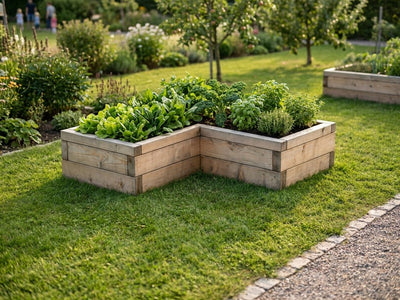
The total height of your layers will settle significantly as decomposition occurs, so it’s wise to fill the bed quite high, perhaps 10-20 cm above the final desired soil level if your raised bed frame allows. GridGarden's modular Brick Premium system allows for various heights and configurations, from standard rectangular beds to L-shape, U-shape, or custom designs via our GridGarden Studio configurator, giving you ample space to build up these rich layers.
When is the Best Time to Start Direct Composting in Your Raised Bed?
The ideal time to start direct composting in your raised bed largely depends on whether you're building a new bed or replenishing an existing one, and your local climate. For Central European gardeners, timing often revolves around the growing season and the availability of organic materials.
For New Raised Beds: The best time to establish a new direct compost bed is typically in the late autumn or early spring.
- Autumn (September-November): This is often considered the prime time. Fallen leaves provide an abundant source of "brown" material, and you can spend the winter months slowly layering kitchen scraps and other "greens." This allows the materials to break down over winter, creating a rich, settled soil by spring planting time. The cold temperatures slow decomposition, but the process still occurs, leaving you with a ready-to-plant bed.
- Early Spring (March-April): If autumn isn't feasible, early spring is the second-best option. You can rapidly build up layers, but you'll need to source materials carefully. If you plan to plant immediately, you'll need a thicker top layer of finished compost or soil mix to ensure plants have immediate access to nutrients. Allow at least 4-6 weeks for initial settling and decomposition before planting if possible.
For Existing Raised Beds: Direct composting can be an ongoing process for maintaining soil health in established beds.
- After Harvest (Autumn): Once your summer crops are done, you can add new layers of organic matter. This is a great time to incorporate crop residues, spent plants (if disease-free), and fresh leaves. This replenishes nutrients depleted by the previous growing season.
- During the Growing Season (Top Dressing): You can continuously add thin layers of organic material, like grass clippings or kitchen scraps, as a "top dressing" around existing plants. This provides a slow release of nutrients, suppresses weeds, and conserves moisture. Just be careful not to smother young plants or create too thick a layer that could become anaerobic.
Regardless of when you start, ensuring adequate moisture is critical for decomposition. In drier periods, especially during Central European summers, you may need to water your composting layers periodically. Remember that GridGarden's Brick Premium beds, made from solid 60 mm larch, are designed to withstand the varying conditions of Central European gardens. Expect 15-25 years in an ordinary garden; with good drainage and no standing water, 25+ years.
Are There Any Downsides to Direct Composting in Raised Beds?
While composting directly in raised beds offers numerous advantages, it's important to be aware of potential challenges. Understanding these can help you mitigate them and ensure a successful, sustainable gardening experience.
One common concern is the potential for **pests**. If you include meat, dairy products, or oily foods in your green layers, you risk attracting rodents, flies, or other unwanted visitors. The solution is simple: stick to fruit and vegetable scraps, coffee grounds, tea bags, and other plant-based materials. Burying kitchen scraps deeper within the layers and covering them with a substantial "brown" layer or soil can also deter pests effectively.
Another potential issue is **slow decomposition**, especially if the layers are too dry, too wet, or lack a proper balance of green and brown materials. If decomposition is too slow, your plants might not get the nutrients they need when they need them.
- Too Dry: Decomposition requires moisture. If your layers are dry, microbes can't do their work. Ensure each layer is moistened as you build, and water your bed during dry spells.
- Too Wet/Anaerobic: Conversely, if layers become waterlogged and compacted, they can turn anaerobic, leading to foul odors and very slow decomposition. Ensure good drainage at the bottom of your bed and incorporate coarser brown materials for airflow.
- Imbalance of Materials: Too many browns can slow decomposition; too many greens can lead to a slimy, smelly mess. Aim for the recommended 2-3 parts brown to 1 part green ratio.
**Initial settling** is also a factor. As materials decompose, the bed will settle significantly, sometimes by 30-50% of its initial height over a few months. This means you need to fill the bed quite high initially, potentially above the top of your raised bed frame, knowing it will compact. This settling can sometimes disturb young plants if not managed properly, so planning for this compaction is key, especially when establishing new beds.
Finally, **nutrient availability** can be a concern for immediate planting. While direct composting creates rich soil over time, the nutrients are released gradually. For very hungry plants or if you're planting immediately after building the bed, ensure your top layer is finished compost or a high-quality soil mix to provide readily available nutrients. This ensures your plants get a strong start while the lower layers continue to break down.
How Does GridGarden's Brick Premium System Support Direct Composting?
GridGarden's Brick Premium raised beds are exceptionally well-suited for direct composting methods, offering features that enhance the benefits of this sustainable gardening approach. Our system is designed with durability, modularity, and environmental consciousness at its core, making it an ideal choice for gardeners in Central Europe who prioritize soil health and longevity.
The most significant advantage lies in the **material and construction** of our beds. Brick Premium beds are crafted from solid 60mm thick European red larch (Larix decidua) planks. Larch is naturally resistant to rot and decay, belonging to EN 350 durability class 3-4 untreated. This means our beds require no chemical treatments, aligning perfectly with the organic principles of direct composting. As the University of Florida's IFAS recommends using "untreated lumber" for no-dig beds, our larch planks ensure that no harmful chemicals leach into your nutrient-rich soil. This robust material also contributes to the impressive lifespan of our beds: expect 15-25 years in an ordinary garden; with good drainage and no standing water, 25+ years.
The **modular snap-in connector system** of GridGarden's Brick allows for unparalleled flexibility. This means you can easily customize the height of your raised bed to accommodate the deep layering required for direct composting. Whether you need an extra-tall bed to build up extensive organic layers or wish to expand an existing bed to create more space for decomposition, the system adapts effortlessly. This modularity also allows for L-shape, U-shape, and custom configurations, giving you the freedom to design beds that perfectly fit your garden space and composting needs, unlike many competitors who offer only standard rectangles.
Furthermore, the **sturdy design** of the 60mm thick planks provides excellent insulation. This helps moderate soil temperatures, which is beneficial for microbial activity year-round, even during the colder months in Central Europe. The solid construction also contains the composting layers effectively, preventing material from spilling out and maintaining the integrity of your no-dig system.
Finally, our commitment to sustainability extends beyond the product itself. The GridGarden Studio 3D configurator and AI Garden Designer allow you to plan your composting beds precisely, minimizing waste and optimizing your garden layout before you even begin. This holistic approach ensures that your journey into direct composting with a GridGarden bed is as efficient and eco-friendly as possible.
| Feature | Direct Composting in Raised Beds (No-Dig) | Traditional Compost Pile & Raised Bed |
|---|---|---|
| Process Location | Composting occurs directly within the raised bed. | Composting occurs in a separate pile/bin, then moved to the bed. |
| Nutrient Delivery | Nutrients released slowly and directly into the root zone. | Nutrients are added in bulk once compost is "finished." |
| Soil Disturbance | Minimal to no soil disturbance (no-till), preserving soil structure. | Can involve tilling compost into the bed, disturbing soil. |
| Weed Suppression | Excellent, especially with initial cardboard/newspaper layers. | Good, if compost is weed-seed free, but doesn't suppress existing weeds as effectively. |
| Water Retention | Highly improved due to continuous organic matter addition. | Improved, but may require more frequent re-amendment. |
| Pest Management | Requires careful material selection (no meat/dairy) and burying scraps. | Pests can be an issue in uncovered piles; less so in contained bins. |
| Space Requirements | Only requires space for the raised bed itself. | Requires space for both the raised bed and a separate compost pile/bin. |
| Time & Effort | Less effort once established; no turning compost or hauling. | Requires turning compost, hauling finished compost to beds. |
Key Takeaways
- Direct composting, or no-dig gardening, enriches your raised bed soil by layering organic materials directly in place, fostering a healthy, productive growing environment.
- This sustainable method significantly reduces organic waste, improves soil structure and water retention, and minimizes weeding and tilling efforts.
- A balanced mix of "brown" (carbon-rich) and "green" (nitrogen-rich) materials, layered systematically and kept consistently moist, is crucial for effective decomposition.
- GridGarden's Brick Premium raised beds, made from untreated 60mm larch, are ideally suited for direct composting due to their durability, modularity, and chemical-free construction.
- While managing potential pests and initial settling requires attention, the long-term benefits of healthier plants and a more sustainable garden make direct composting a rewarding practice for Central European gardeners.
Frequently Asked Questions
Can I plant immediately after building a direct compost raised bed?
Yes, you can plant immediately, but it's recommended to have a top layer of at least 15-20 cm of finished compost or a high-quality raised bed soil mix. This ensures your plants have immediate access to stable nutrients while the lower layers continue to decompose. If you plant directly into partially decomposed material, some plants might experience "nitrogen tie-up" as microbes consume available nitrogen to break down carbon-rich materials.
How often do I need to add new material to my direct compost bed?
For ongoing soil health, you can continuously add thin layers of organic material throughout the year. After the main harvest in autumn, it's an excellent time to add bulkier layers of leaves and spent plant matter to replenish nutrients for the next season. During the growing season, regular top-dressing with grass clippings or kitchen scraps provides a steady supply of nutrients and acts as a moisture-retaining mulch.
Will direct composting attract pests like rats or mice?
Pest attraction is a common concern, but it can be largely avoided by carefully selecting your materials. Exclude meat, dairy products, bones, and oily foods from your direct compost layers. Stick to fruit and vegetable scraps, coffee grounds, and plant matter. Burying kitchen scraps deeper within the layers and covering them with a thick layer of "brown" material or soil also significantly reduces their appeal to pests.
How long does it take for the materials to decompose in a direct compost bed?
The decomposition rate varies significantly based on the materials used, moisture levels, temperature, and the balance of green to brown layers. Coarser materials like wood chips will take longer (several months to a year), while softer greens and kitchen scraps can break down within weeks to a few months. A well-constructed bed built in autumn will typically provide excellent planting soil by spring, with deeper layers continuing to decompose over a year or more.
Is direct composting suitable for all types of plants?
Direct composting creates a rich, fertile soil that is beneficial for most vegetables, herbs, and flowers. It is particularly excellent for heavy feeders like tomatoes, squash, corn, and leafy greens. However, plants that prefer very lean soil or specific pH levels (e.g., some acid-loving plants) might require slight adjustments to the top soil layer rather than relying solely on the decomposing layers for their immediate needs. The consistent moisture and nutrient supply generally promote robust growth across a wide range of garden plants.
Sources & Further Reading
Last verified: 2026-08-15.
- No-Dig Garden Beds - Solutions for Your Life - University of Florida, Institute of Food and Agricultural Sciences - UF/IFAS: No-Dig Garden Beds - Solutions for Your Life - University of Florida, Institute of Food and Agricultural Sciences - UF/IFAS, "No-Dig Garden Beds - Solutions for Your Life - University of Florida, Institute of Food and Agricultural Sciences - UF/IFAS"
- No-Till Raised Beds | University of Vermont: No-Till Raised Beds | University of Vermont, "No-Till Raised Beds | University of Vermont"
Embrace the power of direct composting in your GridGarden raised beds and transform your gardening experience into a more sustainable, productive, and enjoyable journey. Ready to design your ideal raised bed for composting and growing? Start planning your perfect garden with our GridGarden Studio 3D configurator today!
Related Articles
Cultivating Medicinal Herbs in Raised Beds: A Central European Guide
21. 08. 2026
Raised Bed Cost Comparison: GridGarden vs. Traditional DIY & Kits in Central Europe
19. 08. 2026
Raised Bed Planting Ideas: Spring, Summer, and Autumn Harvests in Central Europe
07. 08. 2026