Creative Raised Bed Design Ideas for Small Gardens & Balconies in Central Europe
Share
Gardening in small spaces, be it a cozy urban balcony or a compact backyard in Central Europe, presents a unique and rewarding challenge. While traditional in-ground gardening might feel out of reach, raised beds offer a versatile and efficient solution, allowing you to cultivate a surprising variety of plants in limited areas. With thoughtful planning and creative design, even the smallest corner can become a thriving edible or ornamental oasis.
What are the best raised bed shapes for small spaces?
For small gardens and balconies, the best raised bed shapes are those that maximize usable growing area while fitting snugly into awkward corners or along perimeter walls. Rectangular beds are a classic choice, but L-shape and U-shape configurations often prove superior for optimizing compact areas.
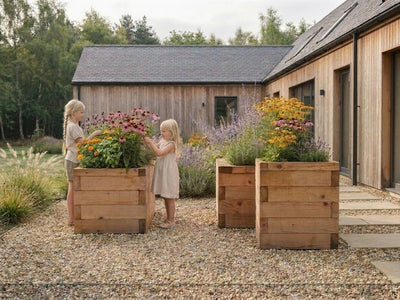
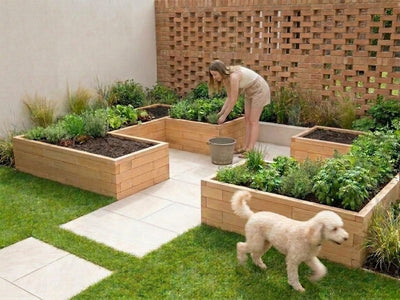
In a small garden, a simple rectangular raised bed can define a growing zone, but its straight lines might not always be the most efficient use of space, especially if you have irregular boundaries. L-shape raised beds, for instance, are excellent for wrapping around existing structures like a shed or a patio corner, utilizing space that might otherwise go unused. This design allows for two accessible growing faces, making planting, weeding, and harvesting easier without extensive reaching. Similarly, U-shape raised beds create a central access point, allowing a gardener to stand inside the "U" and reach all plants comfortably, effectively creating a high-density planting zone within a small footprint. This design is particularly effective for maximizing the growing area in a tight courtyard or a wider balcony.
The flexibility of modular systems, like the GridGarden Brick Premium line, truly shines in small spaces. Instead of being limited to standard sizes, you can design a raised bed that perfectly fits your available area, whether it's a narrow balcony or an unconventional corner. This modularity means you can start with a smaller configuration and expand it later if your needs or space change. Our GridGarden Studio configurator allows you to experiment with various dimensions and shapes, including custom L-shapes and U-shapes, ensuring every centimeter of your small space is utilized efficiently. For more inspiration on these versatile designs, you can explore our guide on L-Shape & U-Shape Raised Beds.
How can I maximize growing space in a compact raised bed?
Maximizing growing space in a compact raised bed involves smart planting strategies and vertical integration, turning every dimension of your bed into a productive area. Simply filling a raised bed with soil is just the first step; the true art lies in how you arrange your plants and utilize the space above and around them.
One of the most effective techniques is vertical gardening. Incorporating trellises, stakes, or obelisks allows vining plants like cucumbers, pole beans, peas, and even some varieties of squash to grow upwards, freeing up valuable horizontal space for other crops. This not only increases your yield but also adds an attractive vertical element to your small garden. Another strategy is companion planting, where you group plants that benefit each other, such as basil with tomatoes or marigolds to deter pests. This makes efficient use of space by ensuring compatible plants grow well together, often improving health and yield.
Succession planting is also key for continuous harvests in a small area. Instead of planting all your lettuce seeds at once, sow a small batch every two weeks. As one crop finishes, you can immediately replace it with another, ensuring a steady supply of fresh produce throughout the growing season. For example, after an early spring crop of radishes or spinach, you can plant bush beans or carrots in the same spot. Considering the soil depth provided by a 60mm thick raised bed, you have ample room for root development, enabling a wider variety of plants, from shallow-rooted herbs to deeper-rooted carrots or potatoes. For a comprehensive overview of getting started, refer to our How to Start a Raised Bed Garden guide.
What materials are ideal for small raised beds in Central European climates?
For small raised beds in Central European climates, solid, untreated larch is an ideal material due to its natural durability and resistance to local weather conditions. While locally-sourced lumber like spruce might be an option for DIY projects, it typically requires more frequent maintenance and has a shorter lifespan compared to denser woods.
Our GridGarden Brick Premium raised beds are crafted from solid 60mm European red larch (Larix decidua). Larch is renowned for its inherent resilience, making it a superb choice for outdoor structures that will be exposed to the elements year-round. Unlike some other woods, larch is naturally resistant to rot and insect damage, even without chemical treatment. This is a significant advantage, especially for growing edible plants, as it avoids the introduction of potentially harmful substances into your garden soil. The substantial 60mm thickness of the planks provides superior structural integrity and insulation for the soil, protecting roots from extreme temperature fluctuations common in Central European summers and winters.
In terms of longevity, solid 60 mm larch, with no chemical treatment, offers exceptional durability. You can expect it to last 15-25 years in an ordinary garden setting. With good drainage and no standing water, which are crucial factors for any timber structure, its lifespan can extend to 25+ years. This long-term performance means less worry about replacement and more time enjoying your garden. When comparing materials, consider the investment in quality for a raised bed that will stand the test of time, providing a stable and healthy environment for your plants for decades. This durability makes larch a cost-effective choice in the long run, minimizing the need for frequent repairs or replacements that lighter, less durable materials might require.
Can raised beds transform a balcony into a productive garden?
Absolutely, raised beds can dramatically transform a balcony into a productive and aesthetically pleasing garden, provided you consider weight, drainage, and plant selection carefully. Balconies, often overlooked as gardening spaces, offer unique opportunities for urban dwellers to grow their own food or create a vibrant green retreat.
When planning a balcony garden with raised beds, the primary consideration is the structural capacity of your balcony. While GridGarden's modular system allows for various sizes, it's essential to assess the weight of a filled raised bed, including soil, water, and plants. Opting for smaller, more numerous beds or shallower configurations can help distribute weight more evenly. Excellent drainage is paramount; ensure your raised beds have adequate drainage holes and consider placing them on risers or using self-watering inserts to prevent waterlogging and protect the balcony surface. Our 60mm larch planks provide excellent insulation, which is beneficial on exposed balconies where soil temperatures can fluctuate dramatically.
The versatility of modular raised beds means you can design configurations that fit the specific dimensions of your balcony, whether it's a long, narrow space or a wider, more open area. L-shape or U-shape beds can wrap around corners or existing furniture, maximizing every inch. For plant selection, prioritize compact varieties of vegetables, herbs, and flowers that thrive in containers. Think about cherry tomatoes, bush beans, various lettuces, radishes, carrots, and a wide array of herbs like basil, mint, and thyme. Vertical elements, such as trellises for climbing plants, are also highly effective on balconies, adding greenery without taking up precious floor space. With thoughtful design and plant choices, your balcony can become a surprisingly productive and beautiful extension of your living space.
How do I choose the right size and placement for a raised bed in a small garden?
Choosing the right size and placement for a raised bed in a small garden involves a careful assessment of sunlight, accessibility, and the overall flow of your outdoor space. The goal is to integrate the raised bed seamlessly while maximizing its potential for growth.
First, observe your garden's sunlight patterns throughout the day and across seasons. Most vegetables and many flowering plants require at least 6-8 hours of direct sunlight daily. Place your raised bed in the sunniest spot available, avoiding areas constantly shaded by buildings, fences, or large trees. If full sun is limited, consider what you can grow in partial shade, such as leafy greens, root vegetables, or certain herbs. Next, consider accessibility. A raised bed should be easily reachable from all sides, or at least from its longest side, without having to step into the bed itself. For small spaces, a width of approximately 60-120 cm (2-4 feet) is often ideal, allowing you to reach the center comfortably from either side. If the bed is placed against a wall, a width of around 60 cm (2 feet) is generally sufficient for one-sided access.
The GridGarden Brick Premium system, with its modular design, offers significant advantages here. You can tailor the length and width to perfectly fit awkward nooks or narrow passages, creating custom configurations that would be impossible with pre-made, fixed-size beds. Consider how the raised bed will integrate with existing paths, patios, or seating areas. It should enhance the garden's layout, perhaps acting as a natural border or a focal point, rather than obstructing movement. Using our GridGarden Studio configurator can help visualize different sizes and placements in your space, allowing you to experiment with various layouts before committing. For more ideas on how raised beds can define garden spaces, explore our article on Raised Beds as Retaining Walls, Garden Borders.
Are there creative ways to integrate raised beds into existing small garden designs?
Yes, raised beds can be creatively integrated into existing small garden designs by leveraging their modularity for multi-level arrangements, built-in seating, and defining distinct garden zones. They offer more than just planting space; they can become structural elements that enhance the overall aesthetic and functionality of your outdoor area.
One highly effective approach is to create multi-level or tiered raised bed designs. This can be achieved by placing smaller, shallower beds on top of or adjacent to larger ones, adding visual interest and allowing for different types of plants that require varying soil depths or sun exposure. For example, a lower, wider bed could host root vegetables, while a narrower, slightly taller bed behind it could be perfect for herbs or flowers. This vertical layering is excellent for maximizing plant diversity in a compact footprint. Another creative integration involves incorporating seating directly into the raised bed structure. By adding a wider top plank or a separate bench element to one side of a robust 60mm larch raised bed, you can create a cozy spot to sit and enjoy your garden, effectively combining a functional planting area with a comfortable resting place. This is particularly useful in very small gardens or on balconies where separate furniture might take up too much space.
Raised beds can also be used to define different "rooms" or zones within a small garden. A strategically placed L-shape or U-shape bed might delineate a dining area from a planting area, or create a sense of enclosure for a quiet reading nook. The clean lines and elevated structure of raised beds naturally help in organizing a small space, making it feel more intentional and less cluttered. Furthermore, by choosing materials like the natural European red larch, you ensure that the raised beds blend harmoniously with many Central European landscape styles, providing a warm, organic feel. For a deeper dive into all the possibilities, our Complete Guide to Raised Garden Beds in Europe offers extensive insights.
| Feature | Traditional Pots & Containers | DIY Wooden Beds (e.g., spruce) | GridGarden Brick Premium (60mm Larch) |
|---|---|---|---|
| Space Utilization | Individual units, can be scattered; often inefficient for larger volumes. | Fixed shapes (typically rectangular); limited customization for awkward spaces. | Modular system allows custom L/U/rectangular shapes; maximizes every corner. |
| Growing Volume & Depth | Limited, can restrict root growth and plant variety. | Better than pots, but often uses thinner planks, less insulation. | Generous depth & volume (60mm planks); supports diverse plants, stable soil temps. |
| Durability & Lifespan | Varies greatly by material; plastic can degrade, terracotta can crack. | Typically 5-10 years (e.g., untreated spruce); prone to rot without treatment. | Solid 60mm larch: 15-25 years in ordinary garden; 25+ years in ideal conditions. |
| Maintenance | Frequent watering; often need repotting. | May require staining/sealing; prone to warping/rotting. | Low maintenance; natural larch requires no chemical treatment. |
| Aesthetics | Can look cluttered; mismatched styles. | Rustic, but may look less refined over time without care. | Premium, natural European red larch; clean lines, integrates well with modern/traditional. |
| Customization & Expansion | Limited to buying new pots; no integration. | Difficult or impossible to expand or reconfigure once built. | Fully modular snap-in system; easily reconfigurable and expandable. |
Key Takeaways for Small Gardeners:
- Modular raised beds, particularly L-shape and U-shape designs, are exceptionally effective for maximizing limited space in small gardens and balconies.
- Utilize vertical gardening, companion planting, and succession planting techniques to dramatically increase the yield and diversity of crops in compact raised beds.
- Solid 60mm European red larch is an ideal, durable, and naturally rot-resistant material for raised beds in Central European climates, offering a lifespan of 15-25 years, or 25+ years in ideal conditions.
- When designing for balconies, carefully consider weight distribution and ensure excellent drainage to protect the structure and promote healthy plant growth.
- Strategic placement based on sunlight and accessibility, combined with creative integration like multi-level designs or built-in seating, can transform small outdoor areas into highly functional and beautiful garden spaces.
Frequently Asked Questions
How deep should a raised bed be for a small garden or balcony?
For most vegetables and herbs, a raised bed depth of at least 30-40 cm (12-16 inches) is generally sufficient to allow for healthy root development. However, a deeper bed, such as those that can be built with 60mm planks allowing for 50-60 cm (20-24 inches) or more of soil, provides even greater flexibility for a wider range of plants, including deeper-rooted vegetables like carrots, potatoes, or larger tomatoes, and also offers better insulation for the soil.
Can I move a GridGarden raised bed once it's assembled in a small space?
While GridGarden raised beds are designed for stability and durability once assembled and filled with soil, moving a large, filled bed is typically not practical due to its weight. However, the modular snap-in connector system means you can disassemble and reassemble the bed in a new location or reconfigure its shape if your needs change. For smaller, empty beds, they can be moved with relative ease before filling.
What plants are best suited for small raised beds in Central Europe?
For small raised beds in Central Europe, focus on compact, productive plants. Excellent choices include leafy greens (lettuce, spinach, kale), most herbs (basil, thyme, mint, parsley), radishes, carrots (choose shorter varieties), bush beans, peas, strawberries, and determinate (bush) varieties of tomatoes and peppers. Consider adding compact flowers like marigolds or nasturtiums for pest control and beauty.
Do I need to line my raised bed if it's made from larch?
No, you do not need to line a raised bed made from solid 60mm larch. Larch is naturally resistant to rot and moisture, meaning it will hold up well against soil and water without a liner. Liners can sometimes impede drainage or create anaerobic conditions, so it's often better to allow the natural wood to breathe and drain properly. The 60mm thickness of the planks provides ample protection and durability.
How can I ensure good drainage for a raised bed on a balcony?
To ensure good drainage for a raised bed on a balcony, always ensure the bed has sufficient drainage holes at the bottom. You can also place a layer of coarse material, like small stones or broken pottery, at the very bottom before adding soil, though this is not strictly necessary if the holes are adequate and the soil mix is well-draining. Elevating the raised bed slightly off the balcony surface using small risers or blocks can further improve airflow and prevent water from pooling directly underneath, protecting your balcony floor.
Related Articles
Cultivating Medicinal Herbs in Raised Beds: A Central European Guide
21. 08. 2026
Raised Bed Cost Comparison: GridGarden vs. Traditional DIY & Kits in Central Europe
19. 08. 2026
Composting Directly in Raised Beds: A Sustainable Guide for Central Europe
15. 08. 2026