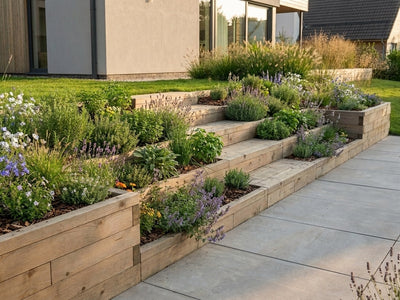
Design Your Dream Raised Bed Garden with AI: From Photo Concept to Tool-Free Assembly
Share
The idea of a perfectly planned garden, tailored to your space and needs, often feels like a distant dream, requiring hours of sketching, measuring, and envisioning. But what if you could see your garden transformation before even lifting a shovel? Thanks to advancements in artificial intelligence, designing your ideal raised garden bed layout is no longer a task reserved for professional landscape architects. Homeowners across Europe can now leverage powerful AI tools to visualize, plan, and create stunning, functional garden spaces, culminating in easy, tool-free assembly of durable raised beds.
What is AI Garden Design and How Can It Help You?
AI garden design uses artificial intelligence algorithms to help you visualize and plan your outdoor spaces, offering personalized suggestions and realistic renderings based on your inputs. This technology simplifies the complex process of garden planning, making professional-grade design accessible to everyone. The integration of AI in landscape architecture is a growing field, with new methods and applications emerging yearly as viable tools for research and practice, as noted in a comprehensive literature review.
For the average homeowner, AI garden design tools can be a game-changer. Instead of struggling with pen and paper or complex CAD software, you can upload a photo of your existing garden, define your preferences (like the type of plants, desired bed shapes, or materials), and let the AI generate various design options. This allows you to experiment with different layouts, sizes, and configurations of raised beds, seeing how they would look in your actual space. It removes much of the guesswork and potential for costly mistakes, ensuring your final design is both aesthetically pleasing and highly functional.
"The use of artificial intelligence (AI) is becoming increasingly common in landscape architecture."
— Phillip Fernberg and Brent Chamberlain, Artificial Intelligence in Landscape Architecture: A Literature Review
Whether you're planning a small herb garden on a balcony or a sprawling vegetable patch in a larger backyard, AI can provide invaluable insights. It can help you optimize sunlight exposure, consider various plant groupings, and visualize the flow of your garden paths, all before you commit to any physical changes. This innovative approach to garden planning is particularly beneficial for those looking to integrate raised beds, as it allows for precise placement and sizing of these essential garden features.
Why Choose Raised Beds for Your AI-Designed Garden?
Raised garden beds are a popular and beneficial addition to home landscapes, offering both practical and aesthetic advantages for growing various plants like flowers, vegetables, and small fruits. They provide an ideal environment for plant growth, often leading to healthier plants and higher yields compared to traditional in-ground gardens. If you're exploring the potential of AI for your garden design, incorporating raised beds is a smart choice for numerous reasons.
One of the primary advantages of raised beds is their ability to improve drainage in wet sites, preventing waterlogging that can harm plant roots. They also allow for earlier planting in spring because the soil warms and dries out more quickly than ground-level beds. This extended growing season is a significant benefit for gardeners in Central European climates, where early starts can make a big difference. Furthermore, raised beds offer easier access for elderly or physically challenged gardeners, reducing the need for bending and kneeling, as highlighted by Iowa State University Extension.
Beyond accessibility and drainage, raised garden beds can significantly enhance crop yields and simplify maintenance in home vegetable gardens. By containing rich, custom soil mixes, you can create optimal growing conditions tailored to your specific plants, free from compacted native soil and many common garden pests and weeds. For a comprehensive overview of their benefits, you can explore our Complete Guide to Raised Garden Beds in Europe. While not technically required, for long-term gardening, it is highly recommended to use a sturdy framework for your raised beds to ensure their stability and longevity, according to UF/IFAS Extension.
GridGarden's Brick Premium raised beds, with their robust 60mm European red larch construction, perfectly align with these recommendations, offering a durable and aesthetically pleasing solution that integrates seamlessly into any AI-designed garden plan. Their modular nature allows for flexible design, whether you're creating a simple rectangle or a complex L-shape, ensuring your raised beds are both beautiful and built to last.
How Does GridGarden Studio Simplify Your Design Process?
GridGarden Studio is our free 3D configurator that empowers you to design your raised garden beds with unparalleled ease and precision, bridging the gap between your AI-generated concepts and a tangible plan. Instead of guessing dimensions or struggling with complex software, our intuitive online tool allows you to visualize your raised beds in three dimensions, making it simple to create the perfect layout for your space.
Our unique AI Garden Designer feature takes this a step further: simply upload a photo of your garden, and the AI will integrate your chosen raised bed designs directly into the image, providing a realistic render of your future garden. This photo-to-render visualization capability is a powerful asset, allowing you to fine-tune placement, consider different sizes, and even experiment with L-shape, U-shape, or other custom configurations that competitors often don't offer. While many other suppliers focus solely on basic rectangular kits, GridGarden's system is built for true modularity and expandability.
The Bed Wizard within GridGarden Studio guides you through the design process step-by-step, ensuring that even first-time garden builders can create professional-looking plans. You can easily adjust lengths, widths, and heights, and the configurator will instantly update the visualization. This level of detail and flexibility ensures that your final design perfectly matches your vision and the specific dimensions of your garden. Once satisfied, the configurator generates a precise list of components needed, ready for you to turn your digital design into a real-world garden. Ready to bring your garden vision to life? You can start designing your custom raised bed using our 3D configurator today.
What Materials and Construction Methods Should You Consider?
When selecting materials for your raised garden beds, durability, safety, and longevity are paramount, especially given Central European climate conditions. While many DIY enthusiasts might consider readily available materials like thin spruce boards (e.g., 18mm or 40mm thick) from a local hardware store, these options typically offer a much shorter lifespan and require more intensive maintenance compared to purpose-built solutions. Spruce, for instance, is a common choice for quick, inexpensive projects, but it's less resistant to rot and decay when exposed to soil and moisture, often lasting only a few years without significant chemical treatment.
GridGarden's Brick Premium raised beds are crafted exclusively from solid 60 mm European red larch (Larix decidua), a wood renowned for its natural resilience and longevity. Larch is classified under EN 350 durability class 3-4, meaning it possesses good to moderate natural resistance to decay without any chemical treatment. This is crucial for food-producing gardens, as you want to avoid any potential leaching of harmful substances into your soil. As the UF/IFAS Extension University of Florida wisely advises, "Products and building materials you might use for ornamental plants are not always suitable for edibles."
Our 60mm planks provide exceptional structural integrity and insulation for the soil, helping to maintain more consistent temperatures and moisture levels. This robust thickness also contributes significantly to the bed's lifespan. You can expect our solid 60 mm larch, with no chemical treatment, to last 15-25 years in an ordinary garden; with good drainage and no standing water, you can anticipate 25+ years. This commitment to quality materials means your investment in a GridGarden raised bed is a long-term one, reducing the need for frequent replacements and repairs common with thinner, less durable wood types. For more insights on starting your raised bed journey, check out our guide on How to Start a Raised Bed Garden.
| Feature | DIY Raised Bed (e.g., Spruce, 18-40mm) | GridGarden Brick Premium (60mm Larch) |
|---|---|---|
| Material & Thickness | Typically locally-sourced spruce or pine, 18mm to 40mm thick. Often requires additional treatment for longevity. | Solid 60 mm European red larch (Larix decidua), naturally durable (EN 350 durability class 3-4), no chemical treatment. |
| Durability & Lifespan | Typically 3-8 years, depending on wood quality and treatment. Prone to rot and warping. | 25+ years in ideal conditions — 15-25 in an ordinary garden. Highly resistant to rot and weather. |
| Assembly | Requires tools (saw, drill, screws, measuring tape), carpentry skills, and significant time. | Tool-free snap-in connector system. Fast, easy, and precise assembly in minutes. |
| Design Flexibility | Limited to simple rectangles unless advanced carpentry skills are used. Difficult to expand or reconfigure. | Modular system allows for rectangular, L-shape, U-shape, and custom configurations. Easily expandable and reconfigurable. |
| Planning Tools | Manual sketching, basic measurements, difficult to visualize in 3D. | Free GridGarden Studio 3D configurator with AI Garden Designer (photo-to-render visualization). |
| Cost (Initial) | Potentially lower initial material cost, but higher labor/tool cost and frequent replacement. | Higher initial investment for premium materials, but significantly lower long-term cost due to durability and ease of assembly. |
How Does Tool-Free Assembly Transform Your Garden Project?
The thought of assembling a raised garden bed often conjures images of power drills, measuring tapes, and a collection of screws and bolts. GridGarden's innovative tool-free assembly system completely redefines this experience, making it incredibly simple and fast to set up your raised beds. Our unique snap-in connector system allows you to effortlessly join the 60mm larch planks, transforming what used to be a time-consuming DIY project into a quick and satisfying task.
This means no more fumbling with small parts, no need to measure twice and cut once, and absolutely no requirement for specialized tools or advanced carpentry skills. The planks simply slide and snap into place, creating a robust and stable structure in minutes. This method is not only faster but also minimizes the potential for errors, ensuring your raised bed is perfectly square and strong from the get-go. This ease of assembly is particularly appealing for first-time garden builders or anyone looking to minimize project complexity.
The tool-free design also offers unparalleled flexibility. If your garden plans evolve, or if you decide to expand or reconfigure your raised beds in the future, the modular system allows for easy disassembly and reassembly. This adaptability means your GridGarden raised beds can grow and change with your gardening ambitions, providing a dynamic solution for your garden over many years. It's a testament to thoughtful design that prioritizes user experience as much as product quality and durability.
What Are the Long-Term Benefits of a GridGarden Raised Bed?
Investing in a GridGarden Brick Premium raised bed offers a wealth of long-term benefits that extend far beyond the initial joy of setup. Our commitment to using solid 60 mm European red larch means you're acquiring a product built for exceptional durability and longevity, designed to withstand the varying climates of Central Europe for decades. This natural resilience of larch, without chemical treatments, ensures a safe and stable environment for your plants, especially edibles.
The lifespan claim for our solid 60 mm larch is clear: expect 15-25 years in an ordinary garden; with good drainage and no standing water, you can anticipate 25+ years. This extended durability significantly reduces the need for replacements or major repairs, making a GridGarden raised bed a truly sustainable and cost-effective choice over its lifetime. Unlike thinner, less robust materials that may warp, rot, or break down quickly, our substantial 60mm planks maintain their structural integrity and aesthetic appeal for many years.
Beyond durability, the modular and expandable nature of GridGarden beds means your garden can evolve with you. Whether you start with a single rectangular bed and later decide to add an L-shape extension or reconfigure your layout entirely, the snap-in connector system makes these changes effortless. This adaptability ensures your garden remains a dynamic and flexible space, capable of meeting new gardening goals or adapting to changes in your landscape. Furthermore, the natural beauty of red larch adds a timeless, elegant aesthetic to any garden, enhancing the overall appeal of your outdoor living space for years to come.
"Products and building materials you might use for ornamental plants are not always suitable for edibles."
— UF/IFAS Extension University of Florida, Building Raised Beds – Gardening Solutions
Key Takeaways
- AI garden design tools, like GridGarden's AI Garden Designer, simplify visualizing and planning your dream raised bed layouts by generating realistic renders from your photos.
- Raised beds offer significant benefits such as improved drainage, earlier planting, higher yields, and easier accessibility, making them an excellent choice for any garden.
- GridGarden Studio provides a free 3D configurator to design custom rectangular, L-shape, U-shape, or bespoke raised beds with precision and ease.
- Our Brick Premium raised beds are made from naturally durable 60 mm European red larch, offering a lifespan of 25+ years in ideal conditions, without chemical treatments.
- The innovative tool-free snap-in connector system ensures quick, easy, and precise assembly, eliminating the need for tools, drilling, or extensive carpentry skills.
Frequently Asked Questions
Is AI garden design truly free to use?
Many basic AI garden design features, including GridGarden's AI Garden Designer and 3D configurator, are available for free, allowing you to upload photos and visualize raised beds without cost. More advanced features or extensive project management tools might come with a premium subscription, but initial design and visualization are typically free.
What types of raised bed shapes can I design with GridGarden Studio?
GridGarden Studio offers extensive flexibility, allowing you to design standard rectangular raised beds, as well as more complex L-shape and U-shape configurations. Our unique modular system also supports custom shapes, giving you the freedom to tailor the bed to perfectly fit your garden's unique dimensions and aesthetic.
How long does it take to assemble a GridGarden raised bed?
Thanks to our tool-free snap-in connector system, assembling a GridGarden Brick Premium raised bed is remarkably fast. Most standard rectangular beds can be assembled in minutes by a single person, without the need for any tools, drilling, or complex instructions.
Can I expand my GridGarden raised bed later if my gardening needs change?
Yes, GridGarden raised beds are designed with modularity and expandability in mind. Our snap-in connector system allows you to easily add more planks and connectors to extend the length, width, or even height of your existing beds, or to connect new sections to create larger or more complex layouts as your garden evolves.
Is the wood used in GridGarden beds safe for growing vegetables?
Absolutely. GridGarden Brick Premium raised beds are constructed from solid 60 mm European red larch (Larix decidua) that is completely untreated with chemicals. Larch is naturally durable and resistant to decay, making it an ideal and safe choice for growing all types of plants, including fruits, vegetables, and herbs, without concerns about harmful substances leaching into your soil.
Sources & Further Reading
Last verified: 2026-09-15.
- Artificial Intelligence in Landscape Architecture: A Literature Review: Artificial Intelligence in Landscape Architecture: A Literature Review, "Artificial Intelligence in Landscape Architecture: A Literature Review"
- Creating Raised Bed Planters: Creating Raised Bed Planters, "Creating Raised Bed Planters"
- Building Raised Beds – Gardening Solutions: Building Raised Beds – Gardening Solutions, "Building Raised Beds – Gardening Solutions"
Embrace the future of garden design and simplify your raised bed project. With AI-powered visualization and GridGarden's tool-free assembly, transforming your outdoor space has never been easier or more rewarding. Start designing your dream garden today with our free 3D configurator and experience the GridGarden difference.
Related Articles
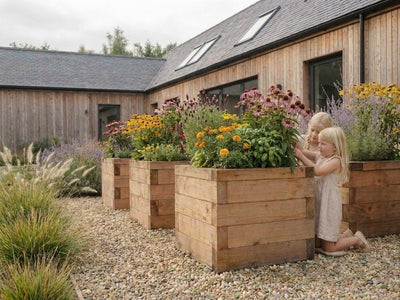
Autumn Landscaping & Decor: Creative Modular Raised Bed Ideas for Central Europe
21. 09. 2026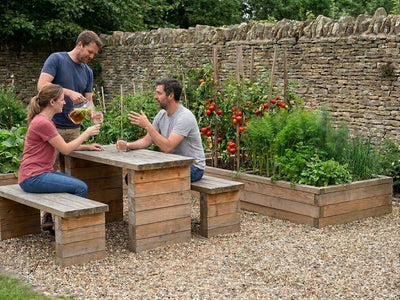
Design Your Autumn Oasis: Raised Beds with Integrated Seating & Fire Pits (No Tools Needed)
20. 09. 2026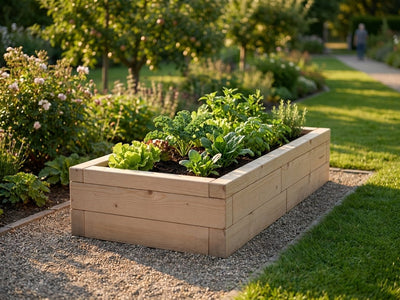
Autumn Raised Bed Design: Landscaping & Late-Season Growing for Central Europe
19. 09. 2026