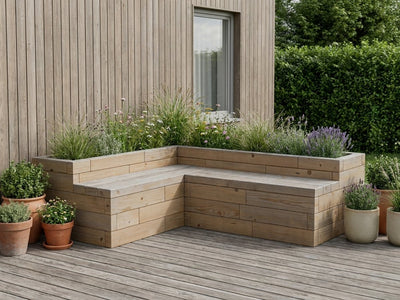
Summer Harvest in Raised Beds: Watering, Feeding and Heat Care
Share
Summer is in full swing, and your gardening efforts should translate into an abundant harvest. In Central Europe, where hot days alternate with occasional heavy rainfall, raised beds offer an ideal solution for growing a wide range of crops. Proper care during the peak season is crucial to ensure maximum yield and plant health. Let's explore how to achieve this.
How to optimize raised bed irrigation in summer?
Proper irrigation is the cornerstone of a successful summer harvest. Raised beds tend to dry out faster than traditional garden beds, requiring more attention. The goal is to keep the soil evenly moist but not waterlogged, which promotes deep root growth and prevents plant stress.
Start with deep watering to encourage roots to grow deeper. This helps plants better withstand short periods of drought. It's ideal to water early in the morning or late in the evening to minimise evaporation. Watering during the hottest part of the day can cause thermal shock to roots and reduce water absorption efficiency.
Mulching is another effective way to retain soil moisture and suppress weed growth. A layer of organic mulch, such as straw, wood chips, or compost, helps regulate soil temperature and reduces the need for frequent watering. In extreme heat, consider using drip irrigation, which delivers water directly to the roots and minimises evaporation losses. Also, consider using quality materials for your raised beds, which retain moisture better.
When and how to fertilise raised beds in summer?
Summer is a period of intense growth and flowering when plants consume significant amounts of nutrients. Timely and proper fertilisation is essential to maintain their vitality and maximise yields. Plants in raised beds may have limited access to nutrients from the surrounding soil, so supplementation is key.
Most plants in raised beds will benefit from fertilisation in summer, especially those that are fruiting or flowering. Use balanced organic fertilisers that release nutrients gradually. Compost, well-rotted manure, or liquid organic preparations are excellent choices. Avoid excessively high nitrogen doses, which can lead to lush leaf growth at the expense of fruit.
The exact timing of fertilisation depends on the type of plants grown. Fruiting vegetables such as tomatoes, peppers, and cucumbers usually require regular fertilisation during their growing season. Leafy greens need sufficient nitrogen for healthy leaf growth. Always follow the fertiliser manufacturer's recommendations and observe plant reactions. A quality soil mix at the beginning of the season minimises the need for intensive fertilisation in later stages.
How to protect raised beds from pests and diseases in summer?
Summer months often bring an increased incidence of pests and diseases that can threaten your harvest. Early detection and preventive measures are crucial for maintaining plant health and minimising damage.
Regularly inspect your plants, especially the undersides of leaves, where pests like aphids or spider mites often hide. If you discover the first signs of infestation, act quickly. Many pests can be removed manually or rinsed off with a strong stream of water. In case of a more severe infestation, opt for ecological insecticides based on neem oil or soapy water.
Disease prevention includes ensuring good air circulation between plants and avoiding waterlogging of leaves. To support the natural defence mechanisms of plants, you can use natural preparations based on horsetail or garlic. Supporting natural predators, such as ladybugs, can also help keep pest populations under control. Consider using insect netting, especially for young plants.
How to combat summer drought and heat in raised beds?
Central Europe often experiences periods of drought and high temperatures in summer, which can be particularly challenging for plants in raised beds, as they dry out faster. Effective strategies to combat these conditions are essential for maintaining plant health and ensuring a harvest.
Maintaining consistent soil moisture is key. As mentioned, mulching is one of the most effective ways to retain moisture, regulate soil temperature, and reduce weeds. A mulch layer 5-10 cm thick can significantly reduce water evaporation and protect roots from overheating.
Another strategy is to select resilient varieties that are better adapted to warm and dry climates. When planning planting in raised beds, consider which plants best tolerate heat and lack of water. During periods of extreme heat, it may be necessary to shade plants, especially those more sensitive to the sun. Using shade cloths or temporary structures can help reduce heat stress.
What are the best practices for harvesting in summer from raised beds?
The summer harvest is the reward for a year-round effort. Proper timing and harvesting techniques can maximise the quantity and quality of your yield from raised beds.
Harvest regularly as soon as the fruits are ripe. For many plants, such as green beans, cucumbers, and courgettes, regular harvesting stimulates the plant to produce more fruit. If you let fruits overripen on the plant, it can slow down or stop further production.
For leafy greens, such as lettuce or spinach, you can harvest individual leaves (the "outer leaf" method), allowing the plant to continue growing. For root vegetables, such as carrots and radishes, harvest as soon as they reach the desired size. For delicate herbs, harvest stems and leaves as needed; again, this will encourage further growth.
Use sharp tools, such as scissors or a knife, for harvesting to minimise damage to the plant. After harvesting, remove any remaining plant parts if they are damaged by diseases to prevent spreading. This approach helps maintain the health of your beds for future harvests.
How to use AI for planning and caring for a summer harvest?
Today, technology offers new ways to simplify and optimise gardening. Artificial intelligence (AI) tools can help with planning, problem identification, and even visualising your garden.
Platforms like GridGarden offer advanced configurators, such as the Bed Wizard, which allows you to design and customise raised beds precisely according to your needs and space. Some AI tools can even analyse photos of your garden and suggest ideal plant layouts or identify potential soil or pest problems.
These technologies can be invaluable aids for both novice and experienced gardeners. They help you make informed decisions about what and when to grow, how to use space efficiently, and how to respond to the specific conditions of your Central European location. Utilising AI can lead to more efficient water and fertiliser management, and thus to more sustainable gardening.
Comparison of materials for raised beds in a summer climate
The choice of material for your raised bed affects its lifespan, thermal conductivity, and maintenance needs, especially in demanding summer conditions.
| Material | Summer Advantages | Summer Disadvantages | Typical Lifespan |
|---|---|---|---|
| European Larch (60mm) | High resistance to moisture and rot, good thermal stability, aesthetic appearance. Naturally pest-resistant. | Higher initial cost. | 25+ years |
| Pine (thin boards, DIY) | Low cost, easy availability. | Faster degradation by moisture and UV radiation, susceptibility to rot and pests without treatment. Requires more frequent replacement. | 3-7 years (with treatment) |
| Composite Materials (WPC) | Low maintenance, resistance to moisture and rot. | Can expand and contract over time due to temperature, aesthetics may not appeal to everyone. Potential thermal conductivity. | 15-25 years |
| Stone/Bricks | High thermal stability, long lifespan, aesthetic appearance. | Demanding to install, high cost, fixed construction without easy expansion options. | 50+ years |
Materials like European larch, which we use for our Brick Premium raised beds, offer an excellent balance of durability, longevity, and natural beauty. Its 60mm thickness ensures stability and excellent thermal insulation, protecting the root system from extreme summer temperatures. Unlike thinner or untreated materials, larch lasts for decades without the need for frequent replacement or demanding maintenance. It's an investment that pays off in the long run.
Key insights for summer harvesting from raised beds
- Ensuring consistent soil moisture through deep watering and mulching is crucial for combating drought and heat.
- Adapt fertilisation to plant needs during intense growth and fruiting, using organic fertilisers.
- Regularly check plants for pests and diseases and apply preventive or ecological protective measures promptly.
- Choose resilient varieties and consider shading sensitive plants during extreme heat.
- Harvest crops in a timely and regular manner to encourage further plant production.
Frequently Asked Questions
How often should I water a raised bed in summer?
Watering frequency depends on the weather, soil type, and plants grown. On hot summer days, daily watering may be necessary, especially if you don't use mulch. Always check soil moisture with your finger a few centimetres deep. If the soil is dry, it's time to water.
Can I grow fruiting vegetables in a raised bed even in hot summer?
Yes, fruiting vegetables like tomatoes, peppers, or cucumbers thrive in raised beds in summer, provided they receive enough water, nutrients, and sunlight. Choose heat-tolerant varieties and consider temporary shading in case of extreme heat.
What is the best way to protect a raised bed from pests without using chemicals?
A combination of prevention and ecological methods is most effective. This includes growing resilient varieties, supporting natural predators (e.g., ladybugs), manual pest removal, using protective netting, and applying natural insecticides like neem oil or soapy water.
What is the ideal time to plant summer vegetables in a raised bed in Central Europe?
Most summer vegetables should be planted after the last frosts, usually in May or early June, depending on the specific location and microclimate. To be sure, monitor weather forecasts and local gardening calendars. For starting cultivation, our guide to starting a raised bed garden is useful.
How long does the soil in a raised bed remain fertile?
The fertility of the soil in a raised bed depends on the quality of the original mix and the care provided. A well-prepared mix, supplemented with organic matter (compost, fertiliser) each year, can remain fertile for many years. It is important to replenish nutrients and maintain good soil structure.
Resources & Further Reading
Last verified: 2024-07-26.
- Growing Vegetables in Hot Weather: University of Minnesota Extension, Growing Vegetables in Hot Weather, 2023.
- Wood Durability to Weathering: Forest Products Laboratory, U.S. Department of Agriculture, Wood Durability and Preservation.
- Watering and Mulching: Royal Horticultural Society, Watering and mulching.
- Organic Fertilizers in the Garden: Cornell University Cooperative Extension, Organic Fertilizers for Home Gardeners, 2017.
- Wood Durability Standard: EN 350:2016, Durability of wood and wood-based products — Testing and classification of the durability of solid wood and wood-based products against biological agents.
Caring for your raised beds during the summer months is essential for achieving a rich and satisfying harvest. By following these proven practices, you can ensure your garden thrives even on the hottest days. If you are considering expanding or acquiring new raised beds, explore the options on our configurator and create your dream garden.
Related Articles

The Ultimate Buying Guide: Essential Raised Bed Accessories and Enhancements for Your Garden
05. 09. 2026
Buying Guide: Larch Raised Beds for Central European Gardens
02. 09. 2026
Autumn Raised Bed Decorations: Creative Ideas for Central Europe
01. 09. 2026