The Ultimate Buying Guide: Essential Raised Bed Accessories and Enhancements for Your Garden
Share
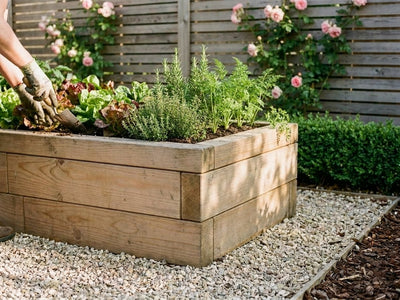
Raised garden beds offer numerous advantages, from better soil control and drainage to reduced back strain. But to truly unlock their full potential and ensure a thriving, productive garden throughout the year, smart gardeners look beyond the basic structure itself. A carefully chosen selection of accessories and enhancements can transform your raised bed from a simple planter into a highly efficient, pest-resistant, and season-extending growing machine. This guide will walk you through the essential additions that will elevate your GridGarden Brick Premium raised bed, ensuring a bountiful harvest and a joyful gardening experience.
What are the essential accessories for a raised garden bed?
Essential accessories for a raised garden bed typically include protective covers, efficient irrigation systems, and supportive trellises, all designed to enhance your raised bed's productivity and ease of maintenance. These additions are not just luxuries; they are practical tools that address common gardening challenges like pest control, water management, and space optimisation. For instance, while a raised bed like GridGarden's Brick Premium provides an excellent foundation with its solid 60 mm larch planks, adding complementary features allows you to tailor your growing environment precisely to your plants' needs and your local climate.
Beyond the core three, other valuable enhancements include integrated seating for comfortable gardening, robust bottom barriers for pest deterrence, and specialised soil amendments. The modular nature of systems like GridGarden's Brick allows for seamless integration of many of these accessories, making it easier to adapt your setup as your garden evolves. Whether you're growing vegetables, herbs, or flowers, understanding these key categories of accessories will help you make informed choices to support your gardening goals.
How can raised bed covers protect your plants and extend the growing season?
Raised bed covers protect plants from pests and harsh weather while extending the growing season by creating a microclimate, allowing for earlier planting and later harvests. These versatile tools are invaluable for gardeners in Central Europe, where unpredictable weather and early frosts can cut short a promising season. Row covers are a valuable tool for gardeners, offering benefits such as season extension and pest control, which can significantly reduce the need for pesticides and extend the growing period. They act as a physical barrier, shielding delicate seedlings from strong winds, heavy rains, and hungry birds, while also deterring common garden pests.
There are several types of covers, each serving a slightly different purpose:
- Lightweight Row Covers: These spun-bonded fabrics allow light and water to pass through while trapping heat and blocking insects. They are ideal for frost protection in spring and autumn, extending your harvest window.
- Insect-Proof Mesh: For targeted pest control, insect-proof mesh is a non-chemical method for protecting various crops and can last up to ten years. Its primary function is to act as a physical barrier against insects like white butterflies and flea beetles, offering an alternative to pesticides.
- Cold Frames/Mini Greenhouses: These more substantial structures, often made with clear polycarbonate or glass panels, provide superior insulation and are excellent for overwintering hardy plants or getting a very early start on warm-season crops.
"There's no one way to use row cover, so it's important to tailor your practice to the crops you're growing, the time of year, and how much maintenance time you can invest."
— Nate Bernitz, Using Row Covers in the Garden | Extension
By implementing covers, you can significantly enhance your garden's resilience. The last few pages of this chapter discuss ancillary topics such as the use of raised beds and methods to extend the gardening season. This means potentially enjoying fresh produce for a larger portion of the year, even in challenging climates.
What are the best irrigation systems for raised beds?
Drip irrigation and soaker hoses are generally the most efficient and effective irrigation systems for raised beds, delivering water directly to the plant roots while conserving water. Unlike overhead sprinklers that can lead to water waste through evaporation and encourage fungal diseases on foliage, these targeted systems ensure that every drop counts. Given that raised beds often dry out faster than in-ground gardens due to increased air exposure, an efficient irrigation system is crucial for maintaining consistent soil moisture.
- Drip Irrigation: This system uses a network of small tubes with emitters that slowly release water directly onto the soil surface, right at the plant's base. It's highly customisable, allowing you to tailor water delivery to individual plants' needs. Drip systems minimise evaporation and are excellent for preventing soil erosion and nutrient runoff.
- Soaker Hoses: These porous hoses "weep" water along their entire length, delivering a slow and steady supply to the soil. They are easy to install, relatively inexpensive, and effective for uniformly watering rows of plants.
- Automated Timers: Integrating a simple timer with either a drip system or soaker hose can automate your watering schedule, ensuring your plants receive consistent moisture even when you're away. This is particularly beneficial for busy gardeners or during hot, dry spells.
While manual watering with a watering can or hose is always an option, an automated or semi-automated system offers peace of mind and frees up valuable gardening time, ensuring your plants receive the optimal amount of water without over or under-watering. When designing your raised bed, consider how easily you can integrate an irrigation system from the start to maximise efficiency.
Why are trellises and supports crucial for vertical gardening in raised beds?
Trellises and other vertical supports are crucial for maximizing space in raised beds, supporting climbing plants, improving air circulation, and making harvesting easier. Raised beds, by their nature, offer a defined and often compact growing area, making vertical gardening an ingenious way to increase yield without expanding your garden's footprint. Plants like tomatoes, cucumbers, peas, beans, and certain squash varieties thrive when given something to climb.
The benefits of trellising extend beyond just space-saving:
- Increased Yield: By growing upwards, plants receive more sunlight and have better air circulation, which can lead to healthier growth and more fruit production.
- Disease Prevention: Keeping foliage off the damp soil reduces the risk of fungal diseases and pests. Good airflow helps leaves dry faster after rain or watering.
- Easier Harvesting: Fruits and vegetables grown on a trellis are often cleaner and easier to spot and pick, reducing strain on your back.
- Aesthetics: A well-trellised raised bed adds a beautiful, structured element to your garden design, especially when combined with GridGarden's L-shape, U-shape, or custom configurations available through the GridGarden Studio configurator.
Trellises can be simple stakes, elaborate arbors, or sturdy wire cages. For GridGarden's robust 60 mm larch beds, you can easily attach or integrate strong supports that will stand up to heavy-fruiting plants and windy conditions, ensuring your vertical garden remains stable and productive.
How do raised bed liners and bottom barriers contribute to longevity and pest control?
Liners and bottom barriers protect the wood from excessive moisture, prevent soil erosion, and deter burrowing pests, contributing significantly to the longevity of your raised bed and plant health. While GridGarden's Brick Premium beds are constructed from solid 60 mm European red larch, known for its natural durability (EN 350 durability class 3-4 untreated, expecting 15-25 years in an ordinary garden, and 25+ years with good drainage), adding a liner can further enhance the internal environment and protect the wood from constant damp soil contact.
- Moisture Protection: A geotextile fabric liner placed against the interior walls of the bed can create a barrier between the moist soil and the wood. This helps manage moisture levels, especially in regions with high rainfall or if you frequently water.
- Soil Retention: Liners prevent fine soil particles from washing out through gaps or cracks in the bed's structure over time, maintaining your valuable growing medium.
- Weed Suppression: If placing your raised bed directly on a lawn or weed-prone area, a permeable bottom barrier can prevent weeds from growing up into your carefully prepared soil.
- Pest Control: For beds placed directly on the ground, a layer of hardware cloth (galvanised mesh) at the bottom is an excellent deterrent against burrowing pests like voles, gophers, and moles. This physical barrier ensures your plant roots and crops remain undisturbed.
When installing a liner, ensure it's permeable to allow for proper drainage and prevent waterlogging. Avoid using impermeable plastic sheeting, as this can turn your raised bed into a stagnant pond. A combination of hardware cloth at the bottom and a breathable geotextile fabric for the sides offers comprehensive protection and helps maintain the optimal conditions for your plants and the structural integrity of your raised bed.
What other enhancements can improve your raised bed gardening experience?
Other enhancements like integrated seating, tool caddies, and specialized soil mixes can significantly improve the ergonomics, convenience, and productivity of your raised bed gardening. Beyond the fundamental accessories, these thoughtful additions can make your gardening time more enjoyable and efficient. Raised beds can be designed to eliminate the need to kneel, making the garden physically easier to work and maintain, and integrated seating takes this benefit even further.
- Integrated Seating/Benches: For those who spend considerable time tending their raised beds, incorporating a small bench or ledge around the perimeter can provide a comfortable spot to sit while weeding, planting, or harvesting. This is especially beneficial for gardeners with mobility challenges, aligning with the ergonomic advantages of raised beds.
- Tool Caddies and Storage: Attachable tool caddies or small shelves keep essential hand tools, gloves, and seed packets within easy reach, reducing trips back and forth to the shed. Some modular systems even allow for hanging accessories directly onto the bed frame.
- Specialised Soil Mixes: The quality of your soil is paramount. While not an "accessory" in the traditional sense, investing in a high-quality, custom-blended raised bed soil mix (rather than just garden soil) can dramatically improve plant health and yield. These mixes are typically lighter, richer in organic matter, and provide excellent drainage. Formulating your growing media is the most important stage of creating an APRB (Air Pruned Raised Bed).
- Compost Bins/Worm Farms: For an eco-friendly enhancement, consider a small, integrated compost bin or a worm farm near your raised bed. This provides a constant supply of nutrient-rich compost and vermicompost, enhancing your soil's fertility naturally.
- Decorative Elements: Don't forget the aesthetic appeal! Small decorative markers, solar lights, or even a miniature birdbath can add character and charm to your raised bed garden.
By considering these enhancements, you're not just creating a place to grow plants; you're crafting a functional, comfortable, and beautiful outdoor space that caters to your gardening style. Remember, for optimal fruit and foliage production, a raised bed garden should receive at least 6 to 8 hours of direct sunlight daily, so position your bed and its enhancements accordingly.
How to choose the right accessories for your specific needs?
Choosing the right accessories involves assessing your climate, desired crops, available space, and budget, ensuring they align with your gardening goals. A successful garden is one that is tailored to its environment and the gardener's capabilities. Before making any purchases, take a moment to evaluate your specific situation:
- Climate and Season: If you live in a region with short growing seasons or unpredictable frosts (common in Central Europe), season-extending covers or cold frames are invaluable. For hot, dry climates, efficient irrigation systems like drip lines are a priority.
- Crop Selection: What do you plan to grow? Tall, vining plants like tomatoes and cucumbers will benefit immensely from trellises. Leafy greens might require pest netting. Root vegetables might need deeper soil, influenced by the bed's height rather than accessories.
- Space and Layout: Consider the size and shape of your raised beds. For compact spaces or GridGarden's L-shape and U-shape beds, vertical supports are key. If you have multiple beds, a centralised irrigation system might be more efficient. The GridGarden Studio configurator can help you visualise how accessories might fit into your custom layout.
- Pest Challenges: Identify common pests in your area. If slugs are a problem, copper tape might be useful; for flying insects, insect-proof mesh is crucial.
- Budget and DIY Skills: Accessories range from simple DIY solutions to more sophisticated, automated systems. Determine what you're willing to invest in both money and time for installation and maintenance.
- Ergonomics and Convenience: If gardening comfort is a priority, consider integrated seating or tool storage. Raised beds are garden beds that are built above ground level, with the soil higher than the surrounding ground, and are typically small enough to work in without stepping on the planting area, making them inherently ergonomic, but accessories can enhance this further.
By thoughtfully considering these factors, you can select accessories that truly enhance your gardening experience and help you achieve a thriving, productive raised bed garden. For more guidance on setting up your garden, explore our How to Start a Raised Bed Garden guide or our comprehensive Complete Guide to Raised Garden Beds in Europe.
| Accessory Type | Primary Benefits | Typical Cost Range (approx.) | Maintenance & Lifespan |
|---|---|---|---|
| Row Covers / Insect Mesh | Pest protection, season extension, frost protection, reduced pesticide use. | Low to Moderate (€10-€50 per bed) | Seasonal setup/takedown; mesh can last up to 10 years (RHS). |
| Drip Irrigation System | Water efficiency, consistent moisture, prevents disease, saves time (with timer). | Moderate (€30-€100+ per bed) | Seasonal check for clogs/leaks; components last 5-10 years. |
| Trellises / Supports | Space optimisation, improved air circulation, easier harvesting, disease prevention. | Low to Moderate (€15-€70 per bed) | Annual setup/takedown; sturdy materials (metal, wood) can last many years. |
| Bottom Barriers (Hardware Cloth) | Deters burrowing pests (voles, gophers), prevents soil erosion. | Low to Moderate (€10-€40 per bed) | One-time installation; galvanised steel lasts 10-20+ years. |
| Integrated Seating | Enhanced comfort, reduced physical strain, convenient resting spot. | Moderate to High (€50-€200+) | Minimal, occasional cleaning; lifespan depends on material (wood, composite). |
Key Takeaways
- Raised bed accessories like covers, irrigation, and trellises are crucial for maximising plant health, extending the growing season, and optimising space in your garden.
- Protective covers (row covers, insect mesh, cold frames) safeguard plants from pests and adverse weather, allowing for earlier planting and later harvests.
- Efficient irrigation systems, such as drip lines and soaker hoses, conserve water and ensure consistent moisture delivery directly to plant roots, which is vital for raised beds.
- Vertical supports like trellises are essential for growing vining plants, improving air circulation, reducing disease risk, and making harvesting easier in compact raised bed environments.
- Thoughtful additions like bottom barriers, integrated seating, and high-quality soil mixes enhance the longevity of your raised bed and improve the overall gardening experience.
Frequently Asked Questions
Do I really need accessories for my raised bed?
While a raised bed itself is a fantastic start, accessories are highly recommended to unlock its full potential. They address common gardening challenges like pest control, water efficiency, and limited space, ultimately leading to healthier plants, higher yields, and a more enjoyable gardening experience. For instance, covers can significantly extend your growing season, and drip irrigation can save you time and water.
Can I use a raised bed without a liner?
Yes, you can use a raised bed without a liner, especially if it's made from naturally rot-resistant materials like GridGarden's 60 mm larch. However, a permeable geotextile liner can offer additional benefits by protecting the wood from constant soil moisture, preventing soil erosion, and acting as a barrier against weeds from below. If burrowing pests are an issue, a hardware cloth bottom barrier is strongly advised.
How often should I water my raised bed with a drip system?
The frequency of watering with a drip system depends on several factors: your climate, the type of plants you're growing, and the soil mix. Generally, raised beds tend to dry out faster than in-ground gardens. With a drip system, you might water less frequently but for longer durations (e.g., 2-3 times a week for 30-60 minutes) to allow water to penetrate deeply. It's best to check the soil moisture a few inches down before watering and adjust based on plant needs and weather conditions.
What is the lifespan of GridGarden's Brick Premium raised beds?
GridGarden's Brick Premium raised beds are crafted from solid 60 mm European red larch, which is EN 350 durability class 3-4 untreated. You can expect 15-25 years in an ordinary garden; with good drainage and no standing water, they can last 25+ years. This natural durability means minimal maintenance and a long-lasting foundation for your garden.
Sources & Further Reading
Last verified: 2026-09-05.
- Using Row Covers in the Garden | Extension: Using Row Covers in the Garden | Extension, "Using Row Covers in the Garden | Extension"
- Insect-proof mesh | RHS Advice Home Become a member Menu Search My RHS: Insect-proof mesh | RHS Advice Home Become a member Menu Search My RHS, "Insect-proof mesh | RHS Advice Home Become a member Menu Search My RHS"
- Raised Bed Gardening | USU: Raised Bed Gardening | USU, "Raised Bed Gardening | USU"
- Raised Beds: Benefits and Maintenance: Raised Beds: Benefits and Maintenance, "Raised Beds: Benefits and Maintenance"
- Chapter 11- Growing Vegetables in the Tennessee Home Garden | Master Gardener Program: Chapter 11- Growing Vegetables in the Tennessee Home Garden | Master Gardener Program, "Chapter 11- Growing Vegetables in the Tennessee Home Garden | Master Gardener Program"
- Air Pruned Raised Bed Basics: Air Pruned Raised Bed Basics, "Air Pruned Raised Bed Basics"
Ready to design your ultimate raised garden bed and explore how accessories can fit into your vision? Start designing your custom raised bed today with the free GridGarden Studio configurator.
Related Articles

Buying Guide: Larch Raised Beds for Central European Gardens
02. 09. 2026
Modular Raised Beds: Understanding Total Cost of Ownership (TCO) for Long-Term Value
30. 08. 2026
Raised Bed Cost Comparison: Larch vs. Other Materials in Central Europe
26. 08. 2026