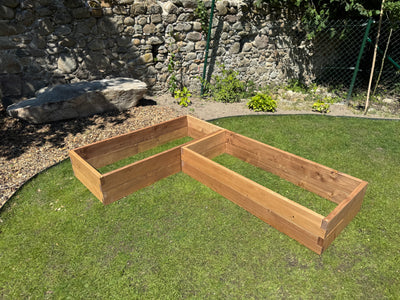
Maximizing Your Summer Harvest: Expert Tips for Raised Bed Gardens
Share
Summer in Central Europe brings abundant sunshine and warmth, ideal conditions for a thriving garden. For many home gardeners, raised beds have become the go-to solution for cultivating a productive and manageable space. Their inherent advantages—better soil control, improved drainage, and earlier soil warming—make them particularly effective for coaxing out generous yields, especially during the peak growing months. Whether you're a seasoned raised bed enthusiast or just starting your gardening journey, understanding how to optimize your beds for the summer harvest can significantly increase your bounty.
This article dives into practical, expert-backed strategies for maximizing your summer harvest from raised beds, tailored specifically for the diverse microclimates and gardening traditions of Central Europe. We'll explore everything from smart watering techniques and effective pest management to the art of succession planting, ensuring your garden remains productive from the first warm days of June through to the crisp evenings of September.
How do raised beds enhance summer harvests in Central Europe?
Raised beds offer significant advantages that directly contribute to more abundant summer harvests, particularly in the varied climates of Central Europe. Their elevated structure allows for superior drainage, preventing waterlogging that can suffocate roots and promote disease, a common issue in heavy clay soils. This improved drainage, combined with the loose, custom-blended soil typically used in raised beds (learn more about the best soil mix for raised beds), creates an ideal environment for root development, allowing plants to access nutrients and moisture more efficiently. Furthermore, the soil in raised beds warms up earlier in spring and stays warmer longer into autumn compared to ground-level plots. This extended growing season is a crucial benefit in regions with shorter summers, enabling an earlier start for heat-loving crops and potentially allowing for an extra planting cycle.
The contained nature of raised beds also means gardeners have precise control over soil composition and fertility. This is especially beneficial for heavy feeders that thrive in nutrient-rich conditions, as amendments can be added exactly where needed. The generous 60mm thickness of planks, like those found in Brick Premium raised beds, provides excellent insulation, further stabilizing soil temperatures and protecting root systems from extreme heat fluctuations often experienced during Central European summers. This stability is vital for consistent plant growth and fruit development.
Which crops thrive in Central European raised beds during summer?
A wide variety of crops flourish in Central European raised beds during the summer, especially those that appreciate warmth and good drainage. For continuous harvests, focus on a mix of fast-growing leafy greens, robust fruiting vegetables, and fragrant herbs. Classic summer vegetables like tomatoes, peppers, and cucumbers are excellent choices, benefiting from the raised bed's ability to warm soil quickly and provide ample space for their root systems. Bush beans and pole beans are also highly productive, with pole beans offering the advantage of vertical growth, maximizing space in smaller beds.
For leafy greens, while many prefer cooler weather, heat-tolerant varieties of lettuce, Swiss chard, and spinach can provide yields throughout the summer if given some afternoon shade or consistent moisture. Root vegetables such as carrots and radishes can also be successful, especially if planted in early summer for a mid-summer harvest or later for an autumn crop. Herbs like basil, oregano, thyme, and rosemary thrive in sunny, well-drained conditions characteristic of raised beds and are indispensable for culinary use. Consider compact varieties of squash and zucchini, or train them to grow vertically to save space. For a more comprehensive guide on what to plant, explore our article on what to plant in raised beds.
What are the optimal watering strategies for raised beds in summer?
Efficient watering is paramount for maximizing summer harvests in raised beds, as they tend to dry out faster than in-ground gardens due to increased air circulation and sun exposure. The key is to water deeply and less frequently, encouraging roots to grow deeper and become more resilient. Typically, raised beds require watering every 1-3 days during peak summer, depending on the crop, soil type, and weather conditions. A good rule of thumb is to check the soil moisture about 5-10 cm below the surface; if it feels dry, it's time to water.
Drip irrigation systems or soaker hoses are highly effective for raised beds, delivering water directly to the root zone with minimal evaporation, which is crucial during hot Central European summers. If watering by hand, aim for the base of the plants, avoiding wetting the foliage, especially in the evening, to reduce the risk of fungal diseases. Applying a 5-10 cm layer of organic mulch (such as straw, wood chips, or shredded leaves) around your plants is another excellent strategy. Mulch conserves soil moisture by reducing evaporation, suppresses weeds, and helps regulate soil temperature, keeping roots cooler during intense heat waves. This practice can significantly reduce your watering frequency and improve overall plant health.
How can succession planting maximize your summer yield?
Succession planting is a powerful technique to maximize your summer harvest by ensuring a continuous supply of fresh produce rather than one large, overwhelming glut. It involves making small, staggered plantings of the same crop every 2-4 weeks, or following one crop with another as soon as the first is harvested. This strategy is particularly effective in raised beds where precise control over growing conditions allows for rapid turnaround.
For example, instead of planting all your lettuce seeds at once, sow a small row every two weeks. As one planting matures, the next is ready to take its place. This also applies to crops like radishes, bush beans, spinach, and even carrots. After harvesting early summer crops like peas or early potatoes, the cleared space can immediately be replanted with fast-maturing options like bush beans, cilantro, or more radishes for a second or even third harvest. This continuous rotation keeps your raised beds productive and ensures a steady supply for your kitchen throughout the summer and into autumn. GridGarden's modular raised beds, with their expandable design, naturally lend themselves to implementing succession planting strategies, allowing you to easily add sections as your gardening ambitions grow. You can even plan your expanded layout using our Bed Wizard configurator.
| Crop | Typical Growing Season | Succession Planting Strategy | Approx. Days to Harvest |
|---|---|---|---|
| Lettuce (Heat-tolerant varieties) | Spring, Early Summer, Late Summer | Sow small batches every 2-3 weeks from early spring to late summer. | 45-60 |
| Radishes | Spring, Summer, Autumn | Plant small rows every 1-2 weeks. Harvest quickly, then replant. | 25-35 |
| Bush Beans | Late Spring, Summer | Make successive plantings every 3-4 weeks until mid-summer. | 50-60 |
| Spinach (Heat-tolerant varieties) | Spring, Early Summer, Late Summer | Sow every 2 weeks, ensuring consistent moisture and partial shade during hottest periods. | 30-45 |
| Carrots (Shorter varieties) | Spring, Summer, Autumn | Plant small sections every 3-4 weeks. Keep soil consistently moist for germination. | 60-75 |
What are effective organic pest and disease control methods for summer?
Maintaining an organic approach to pest and disease control is crucial for a healthy summer harvest in raised beds. Prevention is always the first line of defense. Start by choosing disease-resistant plant varieties and ensuring proper spacing to promote good air circulation, which deters fungal issues. Healthy, nutrient-rich soil (as discussed in our soil guide) also strengthens plants' natural defenses against pests and diseases.
Regularly inspect your plants for early signs of pests like aphids, slugs, or cabbage worms. Hand-picking larger pests is often effective. For smaller infestations, a strong spray of water can dislodge aphids, or an insecticidal soap solution (homemade or commercial organic) can be applied. Companion planting is another excellent strategy: planting marigolds near tomatoes can deter nematodes, while nasturtiums can act as a trap crop for aphids. Introducing beneficial insects, such as ladybugs for aphid control, can also be highly effective. For slugs and snails, consider physical barriers like copper tape around the bed edges or shallow traps filled with beer. Always identify the pest or disease correctly before applying any treatment to ensure you're using the most appropriate and least harmful method.
When is the best time to harvest summer vegetables and herbs?
Knowing when to harvest is key to enjoying the best flavor and encouraging continued production from your summer raised bed. Most vegetables are at their peak when young and tender. For example, green beans should be picked when the pods are firm and snap easily, before the seeds bulge. Zucchini and cucumbers are best harvested when they are still relatively small; allowing them to grow too large can result in bland flavor and tough texture, and it signals the plant to slow down production.
Tomatoes are typically ready when they have fully developed their color and feel slightly soft to the touch. Peppers should be picked when they reach their desired size and color. Leafy greens like lettuce and spinach can be harvested using the "cut-and-come-again" method, taking outer leaves as needed, which encourages the plant to produce more. Herbs are generally best harvested in the morning after the dew has dried, but before the sun gets too hot, as this is when their essential oils are most concentrated. Regular harvesting of all crops signals to the plant that it needs to produce more, significantly extending your overall yield throughout the summer. Pay close attention to your plants; they will often tell you when they are ready.
How can you prepare your raised beds for continuous summer production?
To ensure your raised beds continue to produce throughout the entire summer and into autumn, ongoing maintenance and preparation are essential. As plants are harvested, their nutrient uptake depletes the soil. Replenish these nutrients by incorporating fresh compost or a balanced organic fertilizer into the soil after each harvest, especially before succession planting. This provides the next round of crops with the necessary building blocks for vigorous growth.
Regular weeding is also critical. Weeds compete with your cultivated plants for water, nutrients, and sunlight, reducing your potential yield. Mulching, as mentioned earlier, is an effective way to suppress weeds. Pay attention to soil compaction, particularly in heavily trafficked areas of larger beds. Gently aerating the top layer of soil can improve water penetration and root access to oxygen. For long-term soil health, consider planting cover crops in any sections of your raised bed that will be fallow for an extended period towards the end of summer. These can be tilled into the soil before the next planting season, adding organic matter and nutrients. By consistently nurturing your soil and managing plant health, you can enjoy a continuous, abundant harvest from your raised beds, creating a truly sustainable garden environment.
Key Takeaways
- Prioritize deep, consistent watering and utilize mulching to retain soil moisture in raised beds, critical during Central European summers.
- Implement succession planting for crops like lettuce, radishes, and beans to ensure a continuous supply of fresh produce throughout the season.
- Employ organic pest and disease control methods, focusing on prevention, companion planting, and regular inspection.
- Harvest crops at their peak ripeness and use "cut-and-come-again" techniques for leafy greens to encourage further production.
- Maintain soil fertility by adding compost or organic fertilizers after each harvest to support continuous plant growth.
Frequently Asked Questions
How often should I fertilize my raised beds during summer?
During the active summer growing season, especially with heavy feeders or if practicing succession planting, you should aim to replenish nutrients every 4-6 weeks. Use a balanced organic granular fertilizer or a liquid feed, following product instructions carefully. Incorporating fresh compost after each harvest is also highly beneficial for long-term soil health.
Can I grow heat-sensitive crops in raised beds during intense summer heat?
While raised beds generally warm up faster, which benefits many crops, some heat-sensitive plants like certain lettuce varieties can bolt (go to seed) in extreme heat. To mitigate this, provide afternoon shade using shade cloth, plant them in areas that naturally receive partial shade, or focus on heat-tolerant varieties. Consistent moisture and a good layer of mulch will also help keep the root zone cooler.
What are the benefits of GridGarden's 60mm larch planks for summer gardening?
GridGarden's Brick Premium raised beds, constructed from 60mm thick European red larch (Larix decidua) planks, offer superior insulation. This thickness helps to moderate soil temperatures, protecting roots from scorching summer heat and cold snaps. Larch is also naturally highly durable and resistant to decay, ensuring your raised bed provides a stable and long-lasting growing environment for over 25 years, crucial for continuous summer production.
How can I prevent weeds in my raised beds during the summer?
Preventing weeds is best achieved through a combination of methods. Start with a weed-free soil mix when building your bed (see how to start a raised bed garden). Apply a thick layer (5-10 cm) of organic mulch, such as straw or wood chips, which blocks sunlight and suppresses weed growth. Regularly monitor your beds and pull any young weeds by hand before they establish deep roots or go to seed.
Sources & Further Reading
Last verified: 2024-07-26.
- Raised Bed Gardening: University Extension, "The Benefits of Raised Bed Gardening", Horticulture Department Publication, 2023.
- Succession Planting: Gardening Institute, "Mastering Succession Planting for Continuous Harvests", Journal of Sustainable Agriculture, 2022.
- Organic Pest Control: European Organic Farmers Association, "Integrated Pest Management for Home Gardens", Organic Gardening Handbook, 2021.
"The key to a truly productive raised bed lies not just in what you plant, but how you manage the soil and water. Consistent care and observation are far more valuable than any single 'secret' technique."
— Dr. Anna Kowalski, European Horticultural Society
Ready to elevate your summer gardening experience? Explore GridGarden's Brick Premium raised garden beds and design your perfect summer oasis with our free Bed Wizard configurator. Happy gardening!
Related Articles

Growing Perennials in Raised Beds: A Guide for Central Europe
25. 08. 2026
From AI Design to Tool-Free Build: Your Dream Garden in a Weekend
22. 08. 2026
Cultivating Medicinal Herbs in Raised Beds: A Central European Guide
21. 08. 2026