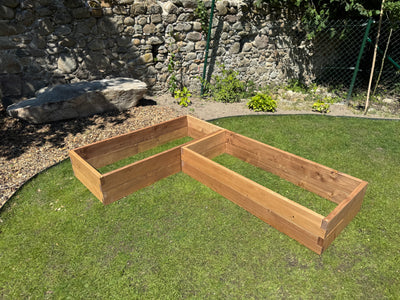
Maximize Your Summer Harvest: Tips for Raised Bed Gardens in Central Europe
Share
As the Central European summer unfolds, our raised garden beds burst with life and potential. For many gardeners across Slovakia, Czechia, Germany, Austria, and beyond, the goal isn't just to grow, but to truly maximize the bounty from their precious garden space. Raised beds offer a distinct advantage, providing better soil control, drainage, and warmth, which are all crucial for an extended and more productive growing season. This guide will walk you through expert strategies to ensure your raised beds deliver their peak performance, filling your kitchen with fresh, homegrown produce all summer long.
Whether you're new to raised bed gardening or looking to refine your techniques, understanding how to best utilize your space and manage your crops is key. From selecting the right varieties to mastering harvesting methods, every step contributes to a more abundant and satisfying yield. For a comprehensive overview of getting started, consider reading our Complete Guide to Raised Garden Beds in Europe.
Which Summer Vegetables Thrive in Central European Raised Beds?
Many heat-loving and quick-maturing vegetables thrive in the often-variable Central European summer, particularly when grown in the ideal conditions provided by raised beds. Raised beds typically warm up faster in spring and retain heat more efficiently, which is beneficial for crops that appreciate consistent warmth.
For a robust summer harvest, focus on varieties known to perform well in climate zones 6-7, common across our region. Popular choices include tomatoes (especially determinate varieties or those suited for cooler nights), peppers (bell and chili), cucumbers, zucchini, bush beans, and runner beans. Leafy greens like Swiss chard and certain heat-tolerant lettuce varieties can also extend their season with proper shade. Herbs such as basil, oregano, and thyme flourish in the summer sun, adding flavor to your culinary adventures. When planning your garden, think about the full growing cycle and how different plants might complement each other. For more specific recommendations, explore our guide on What to Plant in Raised Beds.
How Does Succession Planting Maximize Your Raised Bed Harvest?
Succession planting ensures a continuous yield by strategically staggering plantings throughout the growing season, preventing gluts and barren patches. This technique is particularly effective in raised beds, where concentrated planting allows for efficient use of space.
There are several approaches to succession planting. The simplest is **staggered planting**, where you sow small batches of the same crop every 2-3 weeks. This works wonderfully for quick-growing vegetables like radishes, bush beans, carrots, and lettuce, ensuring a steady supply rather than one large harvest. Another method is **relay planting**, where you plant a new crop immediately after harvesting an earlier one from the same spot. For instance, once your early spring spinach bolts, you can immediately sow heat-tolerant lettuce or bush beans. Finally, many leafy greens benefit from a "cut and come again" approach, where you harvest only the outer leaves, allowing the plant to continue producing new growth. By planning your successions, you can significantly increase the total amount of produce harvested from your raised bed over the entire season.
What Intensive Gardening Techniques Boost Raised Bed Productivity?
Techniques like square-foot gardening, vertical planting, and companion planting significantly increase yield from a smaller footprint, making them ideal for raised beds. These methods leverage the concentrated fertility and manageability of raised bed environments.
Square-foot gardening involves dividing your raised bed into a grid (typically 30x30 cm squares) and planting a specific number of plants per square based on their mature size, rather than traditional rows. This dense planting shades the soil, suppresses weeds, and maximizes every inch of space. For example, you might plant 16 radishes in one square, 4 lettuces in another, or a single tomato plant. For vertical growth, utilize the sturdy walls of your raised bed. Our 60mm thick European red larch planks, like those in the Brick Premium system, provide robust support for trellises, stakes, and cages that allow vining plants such as cucumbers, pole beans, and indeterminate tomatoes to grow upwards. This not only saves horizontal space but also improves air circulation and fruit quality. Companion planting involves growing specific plants together that mutually benefit each other, whether by deterring pests, attracting beneficial insects, or improving soil nutrients. For instance, marigolds can deter nematodes, while basil is said to improve the flavor of tomatoes. By combining these intensive methods, you can dramatically increase the amount of food produced in your raised beds.
Optimizing Soil and Water: The Foundation for Abundant Summer Yields
Healthy, nutrient-rich soil and consistent, appropriate watering are paramount for maximizing summer yields in raised beds. Raised beds offer superior control over soil composition and drainage, making it easier to create an ideal growing environment.
Begin with a high-quality soil mix, rich in organic matter. A blend of compost, topsoil, and a good potting mix provides excellent structure, drainage, and nutrient retention. Over time, as plants grow and are harvested, nutrients are depleted. Replenish these by adding fresh compost or well-rotted manure before each new planting, or by using organic granular fertilizers. Our guide on the Best Soil Mix for Raised Beds offers detailed advice. When it comes to watering, deep and infrequent watering is generally better than shallow, frequent watering, as it encourages roots to grow deeper, making plants more resilient to dry spells. Aim to water in the early morning to minimize evaporation and allow foliage to dry before nightfall, reducing disease risk. Mulching with straw, wood chips, or shredded leaves is highly effective in raised beds; it conserves soil moisture, regulates soil temperature, and suppresses weeds, all of which contribute to healthier, more productive plants.
When and How to Harvest Summer Crops for Continuous Production?
Timely and correct harvesting encourages plants to produce more, extending your summer yield significantly. Many summer vegetables enter a "production mode" once they start bearing fruit, and regular harvesting signals to the plant to continue setting new flowers and fruits.
- Zucchini and Cucumbers: Harvest these frequently while they are young and tender. Leaving them on the vine to grow large signals to the plant that its reproductive cycle is complete, slowing down new production. Aim for small to medium sizes, typically every 1-3 days during peak season.
- Bush Beans and Pole Beans: Pick pods when they are young, crisp, and snap easily. Harvest every 2-3 days. If you let beans mature and swell with seeds, the plant will stop flowering.
- Tomatoes: Harvest when fully colored and slightly soft to the touch. For maximum flavor, allow them to ripen on the vine. If a frost threatens, green tomatoes can be picked and ripened indoors.
- Peppers: Bell peppers can be harvested green or allowed to ripen to their full color (red, yellow, orange) for sweeter flavor. Chili peppers are typically harvested when they reach their characteristic color.
- Leafy Greens (Lettuce, Spinach, Swiss Chard): Employ the "cut and come again" method. Harvest the outer leaves first, leaving the inner leaves to continue growing. This allows for multiple harvests from a single plant.
- Herbs: Snip sprigs regularly to encourage bushier growth and prevent flowering, which can diminish flavor.
Always use clean, sharp shears or knives to avoid damaging the plant. Observing your plants closely will tell you when they are ready, ensuring you capture optimal flavor and encourage continued productivity.
Protecting Your Summer Harvest: Pest, Disease, and Weather Management
Proactive management and vigilant observation are key to protecting your summer harvest from pests, diseases, and unpredictable Central European weather, ensuring your raised beds remain productive. Healthy, vigorous plants are naturally more resistant, but additional measures are often necessary.
For pest control, start with prevention. Use physical barriers like row covers early in the season to deter flying insects. Encourage beneficial insects (ladybugs, lacewings) by planting flowers like dill and calendula nearby. Inspect your plants regularly for signs of pests and address issues early with organic solutions like neem oil or insecticidal soap. Disease prevention relies on good cultural practices: ensure adequate air circulation between plants, avoid overhead watering (especially in the evening), use disease-resistant varieties, and rotate crops annually (even in raised beds) to break disease cycles. Promptly remove and destroy any diseased plant material to prevent spread. Weather challenges in Central Europe can include intense summer heatwaves, sudden heavy rains, or even hail. Mulching helps regulate soil temperature during heat, while providing temporary shade (e.g., with shade cloth) can prevent heat stress on sensitive crops like lettuce. The robust 60mm thick larch planks of our Brick Premium raised beds offer a stable and durable structure, providing a strong foundation that withstands adverse weather better than thinner alternatives, protecting your precious soil and plants.
| Feature | Traditional Row Gardening | Intensive Raised Bed Gardening |
|---|---|---|
| Space Utilization | Often inefficient, with wide pathways between rows. | Highly efficient, dense planting (e.g., square-foot gardening, vertical elements). |
| Soil Quality Control | Limited control, depends on existing native soil. | Complete control; custom-blended, nutrient-rich soil. |
| Drainage & Warming | Can be poor in heavy soils, slower to warm in spring. | Excellent drainage, warms up faster for earlier planting. |
| Weed Management | More prone to weeds, requires frequent weeding. | Fewer weeds due to dense planting and defined borders. |
| Ergonomics | More bending and kneeling required. | Reduced strain, easier access for planting, weeding, harvesting. |
| Total Yield Potential | Moderate yield per square meter. | Significantly higher yield per square meter due to intensive methods. |
Key Takeaways for Maximizing Your Summer Harvest
- Choose Wisely: Select summer vegetable varieties that are well-suited to Central European climate zones (6-7) and your specific microclimate.
- Plant Continuously: Implement succession planting techniques (staggered, relay, cut-and-come-again) to ensure a steady, extended harvest rather than a single large yield.
- Garden Intensively: Maximize space with square-foot gardening, vertical structures (supported by sturdy raised bed walls), and beneficial companion planting.
- Nourish & Hydrate: Maintain rich, organic soil and practice consistent, deep watering, especially during dry spells, coupled with effective mulching.
- Harvest Diligently: Pick crops frequently and at their optimal stage to encourage further production and maintain plant vigor.
- Protect Proactively: Employ organic pest and disease prevention strategies, and be prepared to protect plants from extreme weather conditions.
Frequently Asked Questions
How often should I water my raised beds during a Central European summer heatwave?
During a heatwave, your raised beds may need watering daily, or even twice a day for very thirsty plants or shallow-rooted crops. Always check the soil moisture by hand – if the top 5-10 cm feels dry, it's time to water. Deep watering is crucial to encourage root growth, and mulching heavily will significantly reduce water loss.
Can I really grow enough vegetables for my family in just a few raised beds?
Absolutely! By implementing intensive gardening techniques like square-foot gardening, vertical growing, and succession planting, raised beds can be incredibly productive. For example, a few well-managed L-shape or U-shape raised beds, like those configurable with our Bed Wizard, can yield a surprising amount of fresh produce, often enough to supplement a family's diet significantly throughout the summer and into autumn.
What's the best way to deter common summer pests like aphids and slugs organically?
For aphids, try a strong spray of water to knock them off, or use an organic insecticidal soap. Introducing beneficial insects like ladybugs can also be very effective. For slugs, hand-picking them in the early morning or evening is effective, as are beer traps or barriers of crushed eggshells or diatomaceous earth around vulnerable plants. Good garden hygiene, like removing plant debris, also helps reduce hiding spots for pests.
Sources & Further Reading
Last verified: 2024-07-25.
- Raised Bed Benefits: University of California Agriculture and Natural Resources, "Raised Bed Gardening", ANR Publication 8421, 2011.
- Succession Planting: Cornell University Cooperative Extension, "Succession Planting for Continuous Harvests", Gardening Resources, 2020.
- Intensive Gardening: Mel Bartholomew, "All New Square Foot Gardening", Cool Springs Press, 2013.
- Soil Health: The Soil Association, "Healthy Soil", Organic Gardening Guide, 2023.
- Pest Management: Royal Horticultural Society, "Pests and Diseases", Gardening Advice, 2024.
Ready to transform your summer harvest? Explore the possibilities with GridGarden's modular Brick Premium raised beds. Our free 3D Bed Wizard configurator allows you to design the perfect L-shape, U-shape, or custom raised bed to fit your garden and maximize your growing potential. Discover the durability of 60mm European red larch and start planning your most abundant summer garden yet by visiting our collection of raised garden beds.
Related Articles

Growing Perennials in Raised Beds: A Guide for Central Europe
25. 08. 2026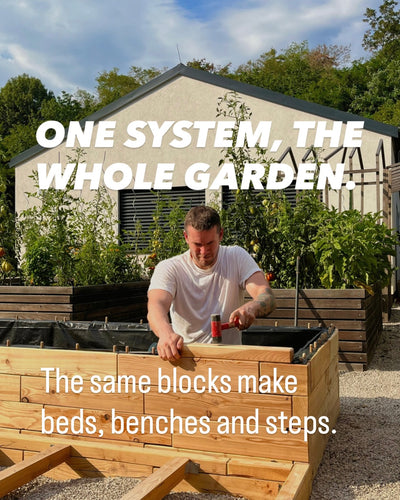
From AI Design to Tool-Free Build: Your Dream Garden in a Weekend
22. 08. 2026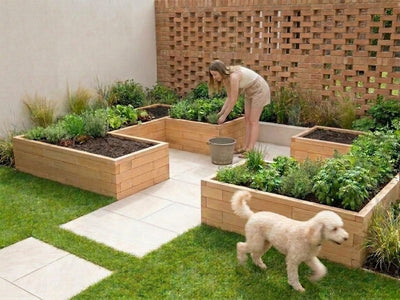
Cultivating Medicinal Herbs in Raised Beds: A Central European Guide
21. 08. 2026