

Creative Raised Bed Landscaping: Summer Garden Design Ideas
Share
Creative Raised Bed Landscaping: Summer Garden Design Ideas
The European summer garden is a vibrant tapestry of life, and raised beds offer a fantastic canvas for creative landscaping. Beyond mere vegetable patches, they can become focal points of beauty and functionality, enhancing your outdoor living space. This guide explores innovative ways to integrate raised beds into your summer garden design, transforming your yard into a visually stunning and productive oasis.
Why Choose Raised Beds for Summer Garden Design?
Raised beds provide excellent drainage, warmer soil temperatures earlier in the season, and easier access for planting and harvesting, making them ideal for summer gardening. Their defined structure also offers a clean, organized look that can significantly elevate your garden's aesthetic. Integrating them into your landscaping plan allows for a structured yet flexible approach to garden design.
How Can Raised Beds Enhance My Outdoor Living Space?
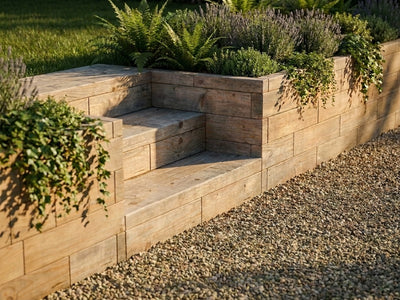
Raised beds can act as architectural elements, defining zones within your garden and creating intimate outdoor living areas. Imagine a seating area nestled amongst beautifully planted raised beds filled with fragrant herbs and colourful flowers. They can guide pathways, create visual interest, and even serve as natural, low-profile retaining walls, as detailed in our guide on raised beds as retaining walls.
What Are the Most Visually Appealing Raised Bed Shapes for Summer?
While traditional rectangles are popular, exploring other shapes can add significant flair to your garden. L-shaped and U-shaped raised beds, for instance, can create cozy nooks and efficient planting areas. Modular systems, like those offered by GridGarden, allow for unparalleled flexibility, enabling custom configurations that perfectly fit any space. You can explore these options and visualize your design using our free 3D Bed Wizard configurator.
The ability to connect modules in various configurations means you're not limited to standard shapes. This adaptability is crucial for maximizing space and creating unique garden layouts, especially in smaller or irregularly shaped yards. Planning for L- and U-shapes is covered extensively in our L-Shape & U-Shape Raised Beds Planning Guide.
What Plants Thrive in Raised Beds During Summer?
Summer is peak growing season, and raised beds are perfect for a wide variety of plants. For a beautiful aesthetic, consider companion planting. Combine edible crops with ornamental plants. For example, bright red cherry tomatoes can be interspersed with marigolds, whose vibrant orange and yellow hues complement the tomatoes and also help deter pests. Nasturtiums, with their trailing habit and colourful flowers, spill beautifully over the edges of raised beds.
Herbs like lavender, rosemary, and thyme not only add fragrance and culinary value but also attract beneficial pollinators. These Mediterranean herbs thrive in the well-drained conditions typical of raised beds. For a lush, green look, consider planting ornamental grasses or ferns in shadier spots around your raised beds. The guide on how to start a raised bed garden offers foundational planting advice.
How Can I Integrate Raised Beds into a Modern Garden Design?
Modern garden design often emphasizes clean lines, minimalist aesthetics, and functional materials. For a contemporary look, consider using raised beds with sleek finishes and geometric arrangements. Materials like dark-stained wood or metal can create a sophisticated appearance. The 60mm thick larch planks of our Brick Premium line offer a substantial, premium look that aligns well with modern design principles.
Arranging raised beds in repeating patterns or asymmetrical layouts can add visual interest. Grouping several beds of varying heights can create a dynamic, layered effect. Integrating features like built-in seating or lighting within or around the raised beds further enhances their role as functional landscape elements. The use of a 3D configurator is invaluable here for visualizing complex modern layouts.
What Are the Benefits of Using Durable Materials for Raised Beds?
Investing in durable materials for your raised beds means a longer lifespan and less maintenance, which is crucial for a beautiful summer garden. European larch (Larix decidua), the wood used in GridGarden's Brick Premium line, is renowned for its natural resistance to decay and insects. This means your raised beds can last for 25 years or more, providing a sustainable and cost-effective solution.
Unlike cheaper alternatives that may rot or warp within a few seasons, high-quality wood or robust composite materials ensure your garden's structure remains sound and attractive. This longevity is key to a successful, low-stress summer gardening experience. The Complete Guide to Raised Garden Beds in Europe discusses material longevity extensively.
Can Raised Beds Be Used for Decorative Purposes?
Absolutely. Raised beds can be much more than functional planting areas; they can be decorative elements in their own right. Consider painting or staining your raised beds to match your home's exterior or to create a striking contrast with your plantings. Adding decorative edging, such as stones or mosaic tiles, can further enhance their visual appeal.
Planting a mix of flowers, herbs, and even small ornamental trees or shrubs within raised beds creates living sculptures. For instance, a raised bed dedicated to a single colour theme, like blues and purples, can create a calming visual effect. Alternatively, a vibrant mix of colours can bring energy to a patio or deck area.
Comparison of Raised Bed Materials
Choosing the right material for your raised beds impacts durability, aesthetics, and cost. While many options exist, some offer superior longevity and a premium look, especially important for integrated landscaping. Here's a look at common choices:
| Material | Typical Lifespan | Aesthetic Appeal | Maintenance | Cost (Approx.) |
|---|---|---|---|---|
| European Larch (60mm thick) | 25+ years | Premium, natural, substantial | Low (natural weathering) | Mid-High |
| Spruce/Pine (DIY, thinner planks) | 5-15 years (untreated) | Basic, rustic (can be enhanced) | Medium (requires treatment, replacement) | Low-Low |
| Composite Materials | 20-30 years | Modern, uniform (can look artificial) | Very Low | High |
| Concrete Blocks/Stone | 30+ years | Sturdy, permanent, classic or modern | Very Low | Medium-High |
The durability of European larch, with its natural resistance, makes it an excellent choice for a long-term landscaping investment, minimizing the need for frequent replacements and ensuring a consistently attractive garden structure.
How Can I Create a Summer Garden Aesthetic with Raised Beds?
Achieving a cohesive summer garden aesthetic involves thoughtful plant selection and arrangement around your raised beds. Consider the colour palette you desire. For a calming effect, use cool colours like blues, purples, and silvers, complemented by the natural wood tones of the beds. For a more energetic feel, mix warm colours like reds, oranges, and yellows.
The layering of plants is also key. Taller plants can be placed at the back or centre of larger beds, with cascading plants spilling over the edges. Incorporating a variety of textures – from the feathery fronds of ferns to the broad leaves of hostas or the fine spikes of ornamental grasses – adds depth and interest. Use our How to Start a Raised Bed Garden guide for foundational planting strategies.
What Are the Advantages of Modular and Expandable Raised Beds?
The primary advantage of a modular system is its adaptability. As your gardening needs or design ideas evolve, you can easily expand or reconfigure your raised beds. This flexibility is invaluable for creating unique shapes, fitting awkward spaces, or simply adding more growing area over time. With a system like GridGarden's Brick Premium, you can start with a simple rectangular bed and later add corner pieces or extensions to create an L-shape or even a multi-level garden feature.
This expandability means your initial investment continues to provide value, allowing for iterative design and growth. It’s a sustainable approach that avoids the need for complete tear-downs and rebuilds. The ease of assembly, often requiring no special tools, further contributes to the appeal of modular systems for DIY landscapers.
How Can I Use AI for Raised Bed Garden Design?
Leveraging AI tools can revolutionize garden design, making it easier to visualize complex ideas. Tools like GridGarden's AI Garden Designer allow you to upload a photo of your garden space and see how different raised bed configurations and plantings would look. This technology helps bridge the gap between imagination and reality, enabling informed decisions about layout, scale, and plant choices.
AI can suggest planting schemes based on your chosen aesthetic, climate, and even the amount of sunlight your garden receives. This predictive capability helps avoid costly mistakes and ensures a more successful and beautiful outcome for your summer garden landscaping project. It’s a powerful aid for anyone looking to create a truly personalized outdoor environment.
Key Takeaways
- Raised beds are versatile landscape elements that define spaces and enhance garden aesthetics.
- Modular and uniquely shaped beds (L, U) offer greater design flexibility than standard rectangles.
- Durable materials like European larch ensure longevity and a premium look for your garden.
- Planting a mix of edibles, herbs, and ornamentals creates visually appealing and productive summer gardens.
- AI design tools can help visualize and plan complex raised bed landscaping projects effectively.
Frequently Asked Questions
What is the best wood for outdoor raised beds?
For longevity and natural resistance to decay and insects, European larch (Larix decidua) is an excellent choice. It's known for its durability and attractive appearance, often lasting 25 years or more without chemical treatment. Other durable options include cedar or redwood, though availability and cost can vary.
How deep should raised beds be for summer vegetables?
For most summer vegetables, a depth of 20-30 cm (approximately 8-12 inches) is sufficient. This provides adequate root space and good drainage. Deeper beds, up to 40-60 cm (16-24 inches), can be beneficial for root vegetables like carrots or potatoes, or if you have particularly poor underlying soil.
Can I combine flowers and vegetables in the same raised bed?
Yes, absolutely! This is a fantastic way to create a beautiful and functional garden. Many flowers, like marigolds, nasturtiums, and zinnias, not only add colour but can also deter pests. Herbs such as basil, parsley, and chives also grow well alongside vegetables and add fragrance and flavour.
How do I prevent weeds in and around my raised beds?
Using a weed barrier fabric at the bottom of the raised bed before adding soil can help prevent weeds from growing up from below. For weeds around the beds, mulching with wood chips, gravel, or ground cover plants can suppress growth. Regular hand-weeding, especially when weeds are small, is also effective.
What is the lifespan of a raised bed made from spruce wood?
Spruce wood, especially if untreated, typically has a shorter lifespan for outdoor use compared to larch or cedar. Depending on the climate and exposure, untreated spruce raised beds might last anywhere from 5 to 15 years. Applying a suitable wood preservative can extend this lifespan, but it will still generally be less durable than naturally resistant woods.
Sources & Further Reading
Last verified: 2024-07-25.
- Wood Durability Standards: Wood Durability, USDA Forest Products Laboratory.
- Companion Planting Benefits: Companion Planting, Royal Horticultural Society.
- Raised Bed Construction: Raised Beds, University of Minnesota Extension.
- Wood Species Properties: Larch (Larix decidua), The Wood Database.
- Garden Design Principles: Garden Design Basics, Gardenista.
Related Articles
Designing Raised Beds for Challenging Garden Shapes & Slopes (with 3D Planner)
12. 09. 2026
Designing Raised Beds for Sloped Gardens: AI Planning for Terraced & Multi-Level Landscapes
09. 09. 2026
Design Your Dream Garden with AI: Free & No Registration Needed
08. 09. 2026