

Creative Raised Bed Decorations: DIY Ideas for a Unique Garden
Share
Creative Raised Bed Decorations: DIY Ideas for a Unique Garden
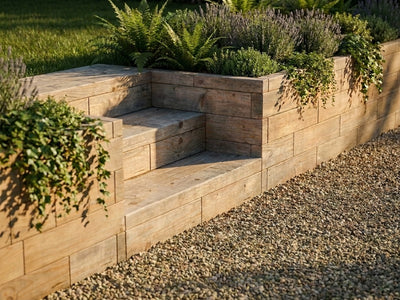
Your raised garden beds are more than just functional spaces for growing vegetables and flowers; they are canvases awaiting your personal touch. While the robust, natural beauty of a GridGarden Brick Premium raised bed, crafted from 60mm European red larch, provides an excellent foundation, adding decorations can truly transform your outdoor space into a unique reflection of your style. This article explores creative, do-it-yourself ideas to elevate your raised beds from practical planters to captivating garden features, perfect for any Central European garden.
Why Should You Decorate Your Raised Garden Beds?
Decorating your raised beds enhances garden aesthetics, reflects your personal style, and creates a more inviting and cohesive outdoor space. Beyond their primary purpose of providing optimal growing conditions, raised beds offer a unique opportunity for creative expression. Thoughtful decorations can turn a simple planting area into a garden focal point, adding character, visual interest, and a sense of charm that complements your home and surrounding landscape. Studies from horticultural societies often highlight that well-designed and aesthetically pleasing garden spaces can significantly improve overall well-being and enjoyment of outdoor living (Horticultural Society, "The Psychological Benefits of Garden Aesthetics"). This is particularly true for raised beds, which are often at eye level and form distinct architectural elements within the garden.
In Central Europe, where gardens are often extensions of living spaces, integrating your raised beds into your overall design concept is key. Whether you aim for a rustic, modern, or whimsical look, decorations help bridge the gap between functionality and art. They can define different garden zones, highlight specific plants, or simply add a touch of personality that makes your garden truly yours. For a comprehensive understanding of raised bed benefits and design, you might find our Complete Guide to Raised Garden Beds in Europe helpful.
What Materials Work Best for DIY Raised Bed Decor?
Natural, weather-resistant materials like reclaimed wood, stone, terracotta, and even recycled metals are excellent choices for DIY raised bed decorations, ensuring durability and harmony with the garden environment. When selecting materials, consider their ability to withstand the varied Central European climate, from frosty winters to warm summers, as well as their aesthetic compatibility with the natural larch of your GridGarden bed. Durable materials not only last longer but also maintain their appearance, reducing the need for frequent maintenance or replacement.
For instance, locally sourced stones or pebbles can create beautiful borders or mosaic patterns, while terracotta pots and figures add a classic, earthy charm. Reclaimed wood, carefully treated for outdoor use, can be repurposed into signs, small trellises, or decorative panels. Metals like copper or treated steel can introduce a modern or industrial touch, developing a beautiful patina over time. It's important to choose non-toxic materials, especially if your raised bed is used for growing edibles, to prevent any leaching of harmful chemicals into the soil. University extension services frequently emphasize the importance of selecting sustainable and inert materials for garden projects to maintain soil health and environmental integrity (University Extension Service, "Choosing Sustainable Garden Materials").
| Material Type | Pros | Cons | Typical Cost/Effort |
|---|---|---|---|
| Reclaimed Wood (e.g., pallets, old fences) | Eco-friendly, rustic appeal, often low cost. Versatile for signs, small structures. | Requires cleaning/sanding/sealing. Can rot if not treated. Check for chemical treatments if for edibles. | Low material cost, moderate DIY effort (2-4 hours per small project). |
| Natural Stone / Pebbles | Extremely durable, natural look, excellent drainage. Low maintenance. | Can be heavy to transport and arrange. Higher initial cost for specialized stones. | Moderate to high material cost, moderate DIY effort (depends on scale). |
| Terracotta / Ceramic | Classic aesthetic, good for small accents, readily available. | Can be fragile, prone to cracking in frost if not winterized or frost-resistant. | Low to moderate material cost, low DIY effort. |
| Recycled Metal (e.g., copper, steel) | Modern, industrial look, develops attractive patina. Very durable. | Can be sharp, may rust (intentionally or not). Some metals can leach into soil if not suitable. | Moderate material cost, moderate DIY effort (requires cutting/shaping tools). |
How Can Lighting Enhance Your Raised Bed Garden?
Thoughtful lighting can dramatically transform raised beds, extending their usability into the evening and highlighting their beauty, creating a magical ambiance after sunset. Strategic lighting not only enhances the visual appeal of your raised beds but also improves safety and functionality, allowing you to enjoy your garden long after dusk. For Central European gardens, where evenings can be long, especially in summer, incorporating lighting is a fantastic way to extend your outdoor living space.
Solar-powered lights are an eco-friendly and easy-to-install option, requiring no wiring and charging themselves throughout the day. Consider string lights draped around the perimeter of your raised bed or woven through taller plants for a festive glow. Small spotlights can highlight specific plants, sculptures, or architectural features of your GridGarden bed. Path lights around the raised bed can ensure safe navigation, while subtle LED strips integrated beneath the top planks can cast a warm, inviting light. When planning for L-shape or U-shape raised beds, lighting can effectively define their unique contours, as discussed in our L-Shape & U-Shape Raised Beds Planning Guide.
What Creative Accents Can You Add to Your Raised Beds?
Adding creative accents such as custom signage, trellises, small sculptures, or integrated seating can personalize your raised beds and make them truly unique. These small details can have a big impact, transforming a functional bed into a piece of garden art. Custom wooden signs, perhaps hand-painted with plant names or whimsical sayings, add a personal touch. You can craft these from reclaimed wood, a simple project taking approximately 30-60 minutes.
Trellises, either store-bought or DIY from bamboo or branches, provide vertical interest and support climbing plants, effectively becoming living decorations. Small, weather-resistant sculptures, whether ceramic animals, metal abstract pieces, or even carved wood, can introduce whimsy or elegance. For those with a flair for mosaics, shattered ceramic tiles or colorful stones can be adhered to the exterior of your raised bed for a vibrant, artistic statement, though this requires more time (typically 4-8 hours for a small section) and attention to weatherproofing. Remember, the modularity of GridGarden's Brick Premium allows for custom configurations, providing a perfect canvas for such creative integrations. You can explore these possibilities with our Bed Wizard configurator.
How Do Seasonal Decorations Change Your Raised Bed Look?
Incorporating seasonal decorations allows your raised beds to evolve with the year, offering fresh visual interest and celebrating holidays or natural cycles. This approach ensures your garden remains dynamic and engaging throughout all four seasons, reflecting the changing beauty of Central Europe. Seasonal decor is typically temporary and easy to swap out, providing endless opportunities for creativity without permanent changes.
- Spring: Welcome the new growing season with pastel-colored ribbons, small decorative birds, or delicate fairy lights intertwined with early spring blooms. You might add miniature painted eggs for an Easter theme.
- Summer: Embrace vibrancy with bright solar lanterns, colorful pinwheels, or small flags. Focus on decorations that complement lush foliage and abundant flowers, perhaps incorporating elements for outdoor entertaining like citronella candles in decorative holders.
- Autumn: Celebrate the harvest with pumpkins, gourds, corn stalks, and dried floral arrangements. Earthy tones, rustic lanterns, and natural elements like pinecones and colorful leaves create a cozy, inviting atmosphere.
- Winter: Even when dormant, your raised beds can shine. Adorn them with evergreen boughs, strings of warm white lights, and weather-resistant ornaments. Small artificial berries or pinecones can add pops of color against a snowy backdrop, bringing festive cheer.
These temporary additions allow your raised bed to always feel current and festive, reflecting the natural rhythms and cultural celebrations of the region.
Can Raised Beds Be Integrated into Larger Garden Art Installations?
Yes, raised beds, particularly modular systems like GridGarden's Brick Premium, can serve as foundational elements within larger garden art installations, acting as focal points or part of a cohesive design. Their defined structure makes them ideal for anchoring more ambitious artistic endeavors. Imagine using a series of raised beds to create a multi-level terraced garden, with each level showcasing different plant palettes and decorative elements. This approach not only adds visual drama but also offers practical benefits like improved drainage and varied microclimates.
For example, a robust raised bed can form the base of a small, recirculating water feature, with decorative stones and aquatic plants complementing the timber. Or, a long raised bed could be bordered by a low decorative wall made of gabions filled with colorful glass or stones, creating a striking textural contrast. Raised beds can also be used as robust retaining walls, as explored in our article on Raised Beds as Retaining Walls & Garden Borders, which can then be further decorated to enhance their aesthetic appeal as part of a larger landscape design. The modularity of our system, allowing for custom L-shape, U-shape, or even more complex designs via the Bed Wizard, means your raised bed can truly be the cornerstone of a grander garden vision.
What Are Common Mistakes to Avoid When Decorating Raised Beds?
To ensure long-lasting and aesthetically pleasing decorations, avoid using non-weatherproof materials, overcrowding, or neglecting proper drainage and plant health. Many common decorating pitfalls can be easily sidestepped with a little foresight, ensuring your efforts enhance, rather than detract from, your garden's beauty and functionality.
- Using Non-Weatherproof Materials: Decorations made from non-treated wood, delicate fabrics, or non-UV-resistant plastics will quickly degrade, fade, or rot in outdoor conditions, especially in Central European climates. Always opt for materials explicitly designed for outdoor use or treat them appropriately.
- Overcrowding: Too many decorations can make your raised bed look cluttered and distract from the plants themselves. Aim for a few carefully chosen pieces that complement each other and the overall design. Less is often more, creating a sense of calm and allowing each element to stand out.
- Blocking Plant Growth or Sunlight: Ensure your decorations do not cast excessive shade on sun-loving plants or physically impede their growth. Place taller elements where they won't interfere with plant development, especially for edibles that require ample sunlight.
- Neglecting Drainage: Any decorative elements that might collect water (e.g., hollow sculptures, certain pots) should have drainage holes to prevent mosquito breeding and stagnant water issues. Also, ensure decorations near the bed's base don't obstruct the natural drainage of the soil.
- Ignoring Scale: Decorations should be proportionate to the size of your raised bed and the plants within it. A tiny figurine might get lost in a large bed, while an oversized statue could overpower a smaller one.
- Introducing Harmful Substances: If decorating an edible garden, be mindful of materials that might leach chemicals into the soil. Avoid treated woods with unknown chemicals, painted items with lead-based paints, or plastics not certified as food-safe.
By keeping these points in mind, your raised bed decorations will remain beautiful, functional, and safe for both your plants and the environment.
Key Takeaways
- Decorating your raised beds adds personal style and enhances the overall aesthetics of your garden, turning them into captivating focal points.
- Prioritize durable, weather-resistant, and non-toxic materials like larch (the foundation of GridGarden beds), stone, terracotta, and treated reclaimed wood for longevity and safety.
- Strategic lighting, especially solar-powered options, can extend your garden's beauty into the evening and create a magical ambiance.
- Personalize your beds with creative accents such as custom signage, trellises, small sculptures, or seasonal decor to reflect your unique taste.
- Avoid common mistakes like using non-weatherproof materials, overcrowding, or obstructing plant growth to ensure your decorations remain beautiful and functional.
Frequently Asked Questions
Can I paint my GridGarden raised bed?
While GridGarden raised beds are made from durable European red larch, designed to naturally weather to a beautiful silver-grey patina over 25+ years, painting them is not typically recommended. Painting can interfere with the wood's natural breathing process and may require frequent reapplication. If you wish to alter the color, a natural, breathable wood stain or oil specifically designed for outdoor larch would be a more suitable option, but always test on an inconspicuous area first.
How do I ensure my decorations are weather-resistant?
To ensure decorations are weather-resistant, choose materials naturally suited for outdoor conditions, such as treated wood, stone, metal (like galvanized steel or copper), or frost-resistant ceramics. For wooden items, apply an outdoor-grade sealant or paint. Metals should be rust-proofed or chosen for their ability to develop an attractive patina. Always consider the specific climate conditions of Central Europe, including frost and humidity, when making your selections.
What's the best way to incorporate lighting into my raised bed?
The best way to incorporate lighting is by using solar-powered options for ease of installation and eco-friendliness. String lights, small spotlights, or path lights can create different effects. Position lights to highlight plants or architectural features of the bed, ensuring they don't interfere with plant growth or maintenance. Consider the overall ambiance you want to achieve, whether it's a subtle glow or more direct illumination.
How can I make my raised bed decorations sustainable?
To make your decorations sustainable, prioritize using reclaimed or recycled materials like old wood, repurposed metal, or found objects. Choose natural materials that are locally sourced to reduce transportation impact. Opt for durable items that will last for many seasons, minimizing waste. Additionally, consider decorations that serve a dual purpose, such as a bird feeder or a small pollinator hotel, contributing to local biodiversity.
Are there any decorations that can harm my plants?
Yes, some decorations can potentially harm your plants. Avoid items that might leach harmful chemicals into the soil, such as certain treated woods (unless certified safe for food gardens) or plastics not rated for outdoor use. Decorations that block too much sunlight, impede air circulation, or create stagnant water pockets can also negatively affect plant health. Always ensure good drainage for any decorative containers and choose non-toxic materials, especially when growing edibles.
Sources & Further Reading
Last verified: 2024-07-26.
- Garden Aesthetics: Horticultural Society, "The Psychological Benefits of Garden Aesthetics", Horticultural Society Publication, 2023.
- Sustainable Materials: University Extension Service, "Choosing Sustainable Garden Materials for Your Garden", Extension Gardening Series, 2022.
- Raised Bed Benefits: European Garden Association, "Advantages of Raised Bed Gardening in European Climates", European Horticulture Journal, 2021.
Ready to bring your unique garden vision to life? Explore the possibilities with GridGarden's modular raised beds. Design your perfect L-shape, U-shape, or custom configuration using our intuitive Bed Wizard configurator today, and start planning your beautifully decorated garden oasis.
Related Articles
Designing Raised Beds for Challenging Garden Shapes & Slopes (with 3D Planner)
12. 09. 2026
Designing Raised Beds for Sloped Gardens: AI Planning for Terraced & Multi-Level Landscapes
09. 09. 2026
Design and Build a Raised Bed Seating Area: No Tools, No Fuss
07. 09. 2026